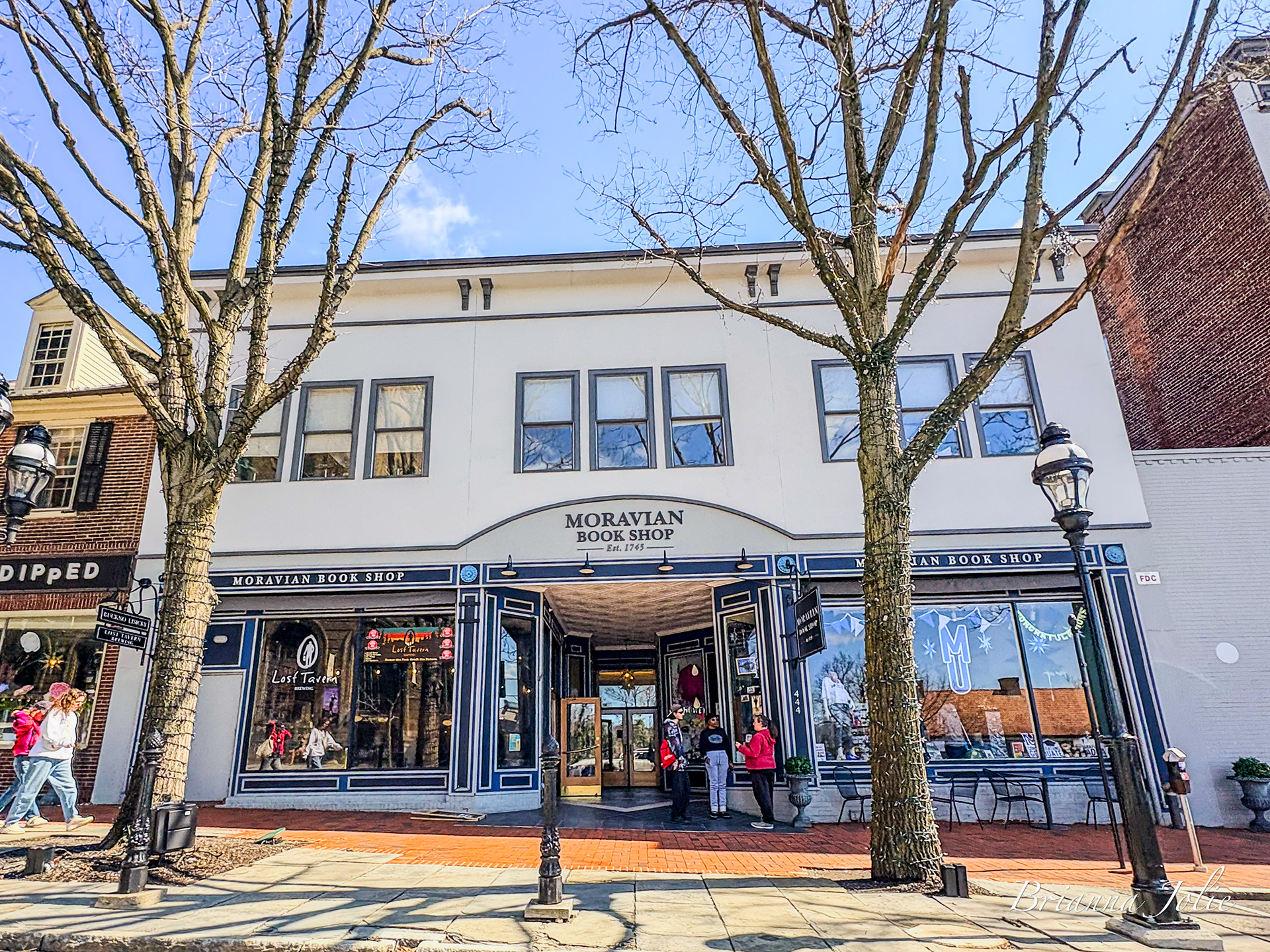
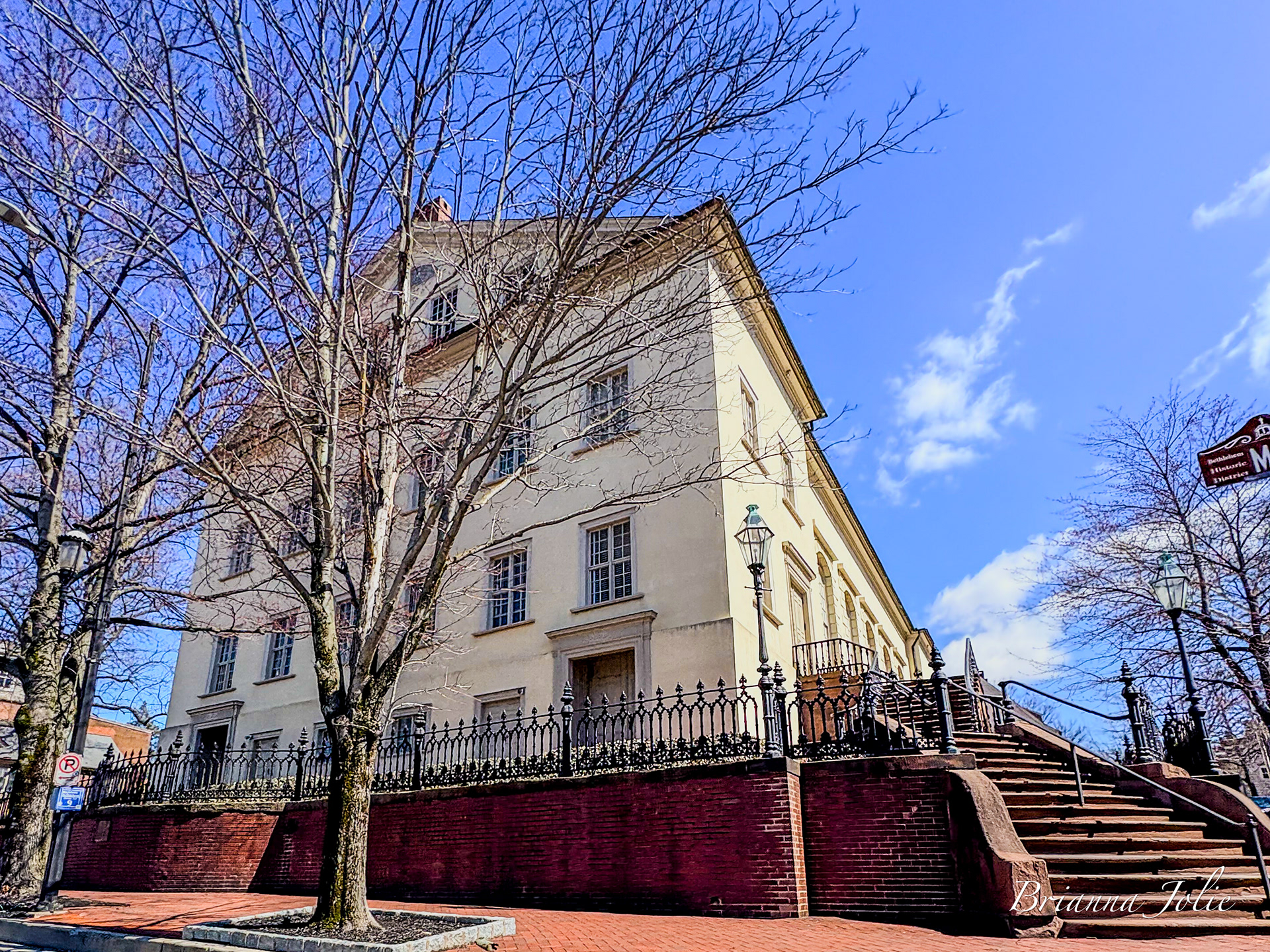
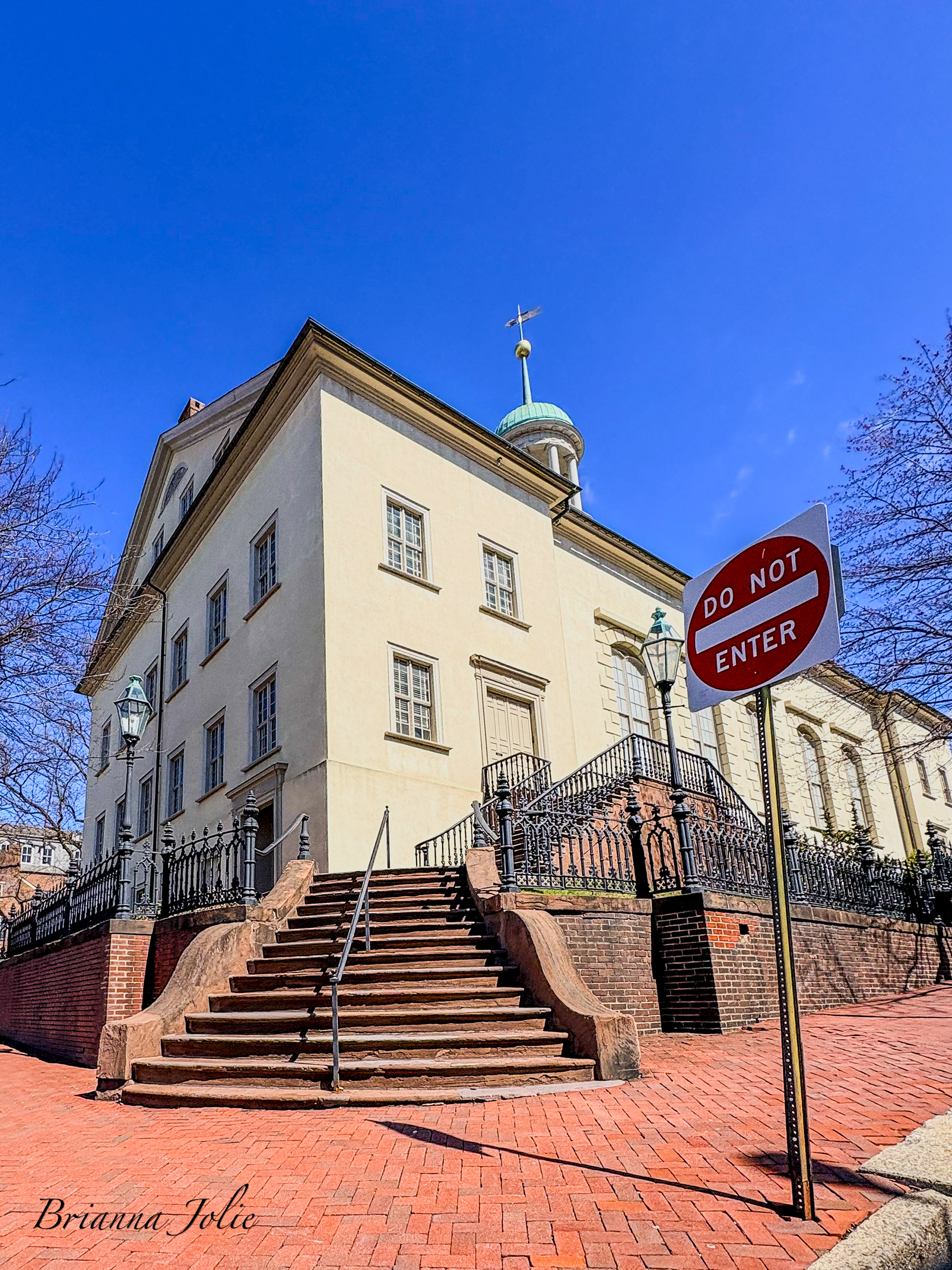
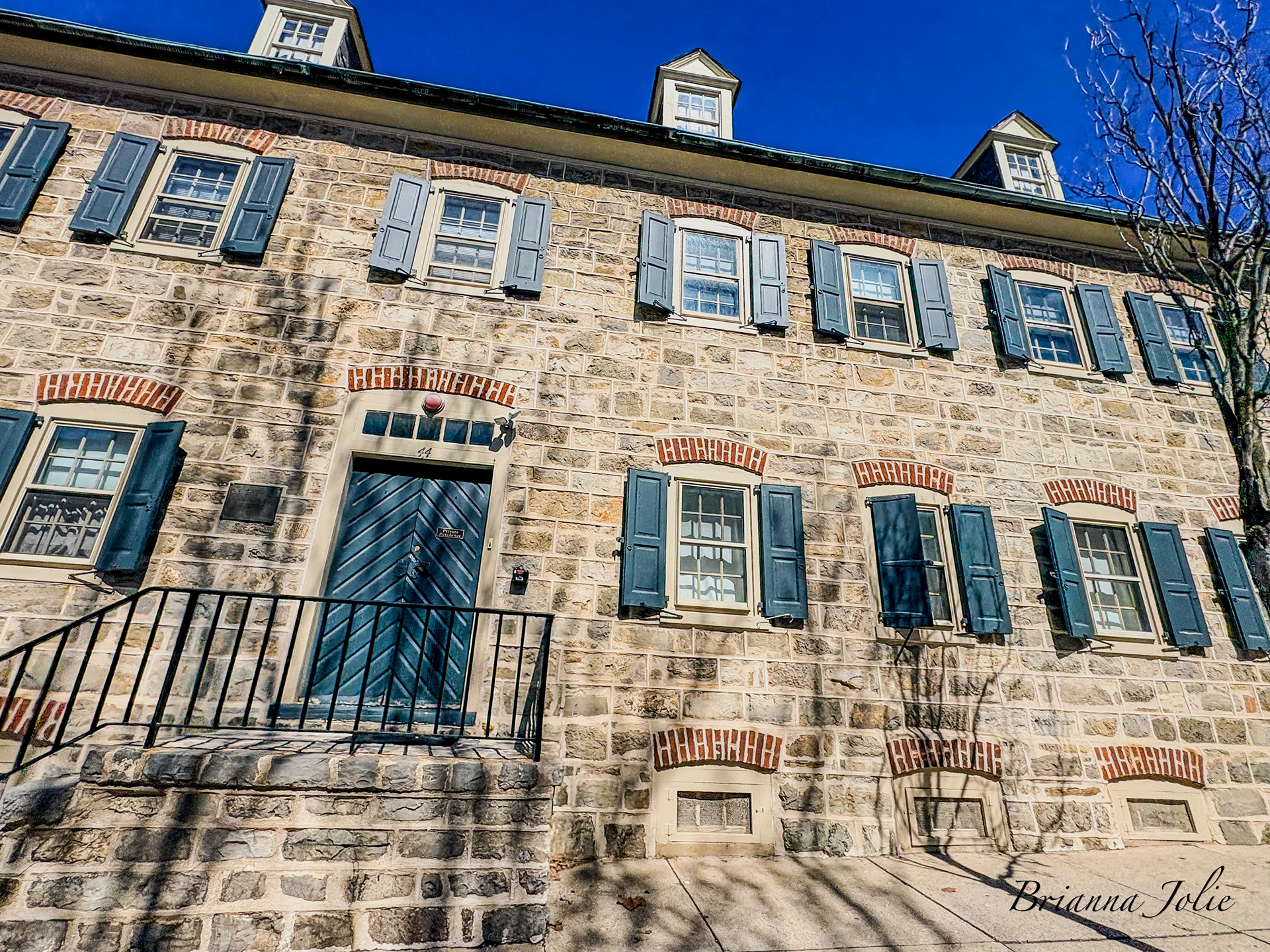
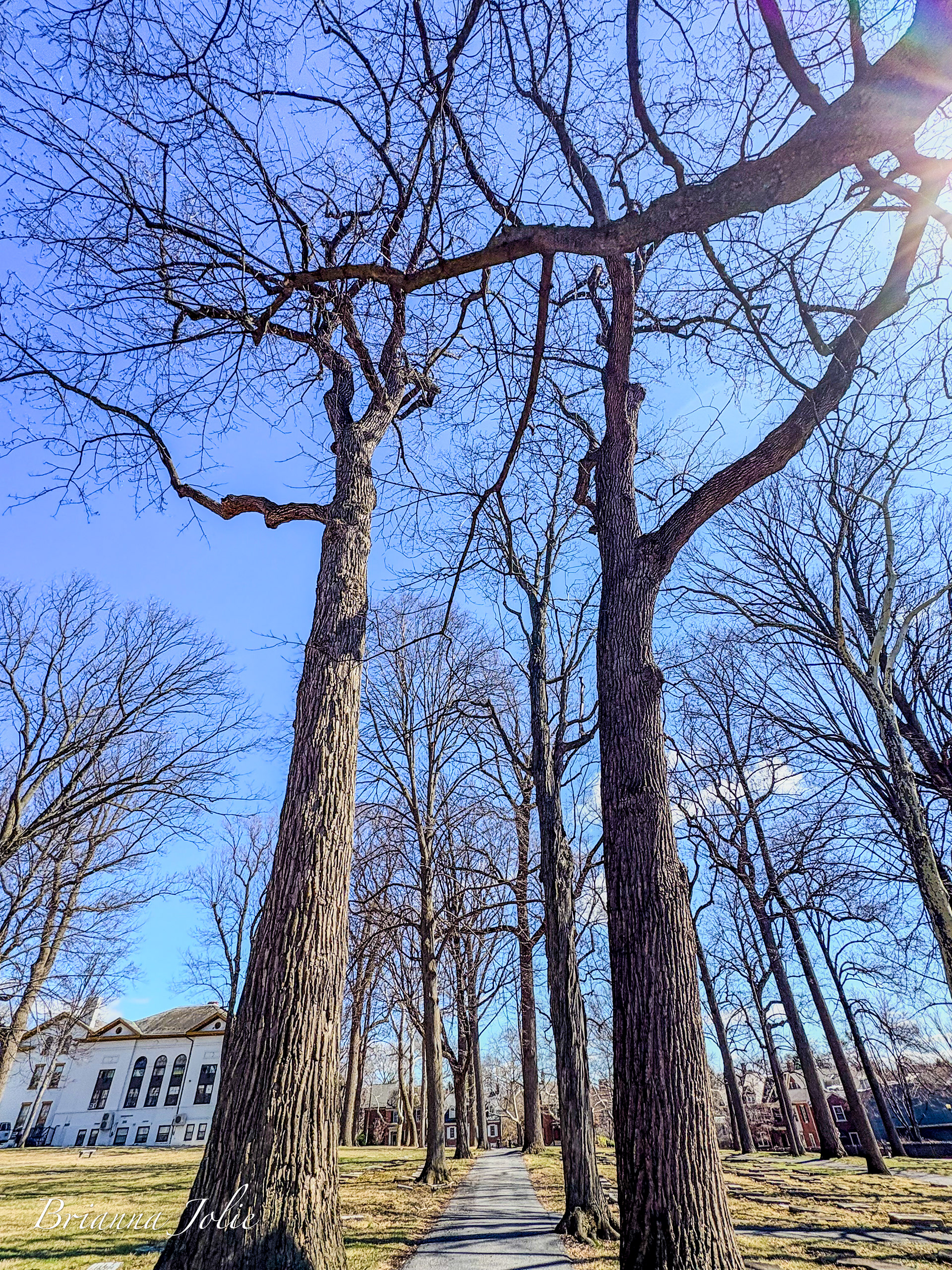
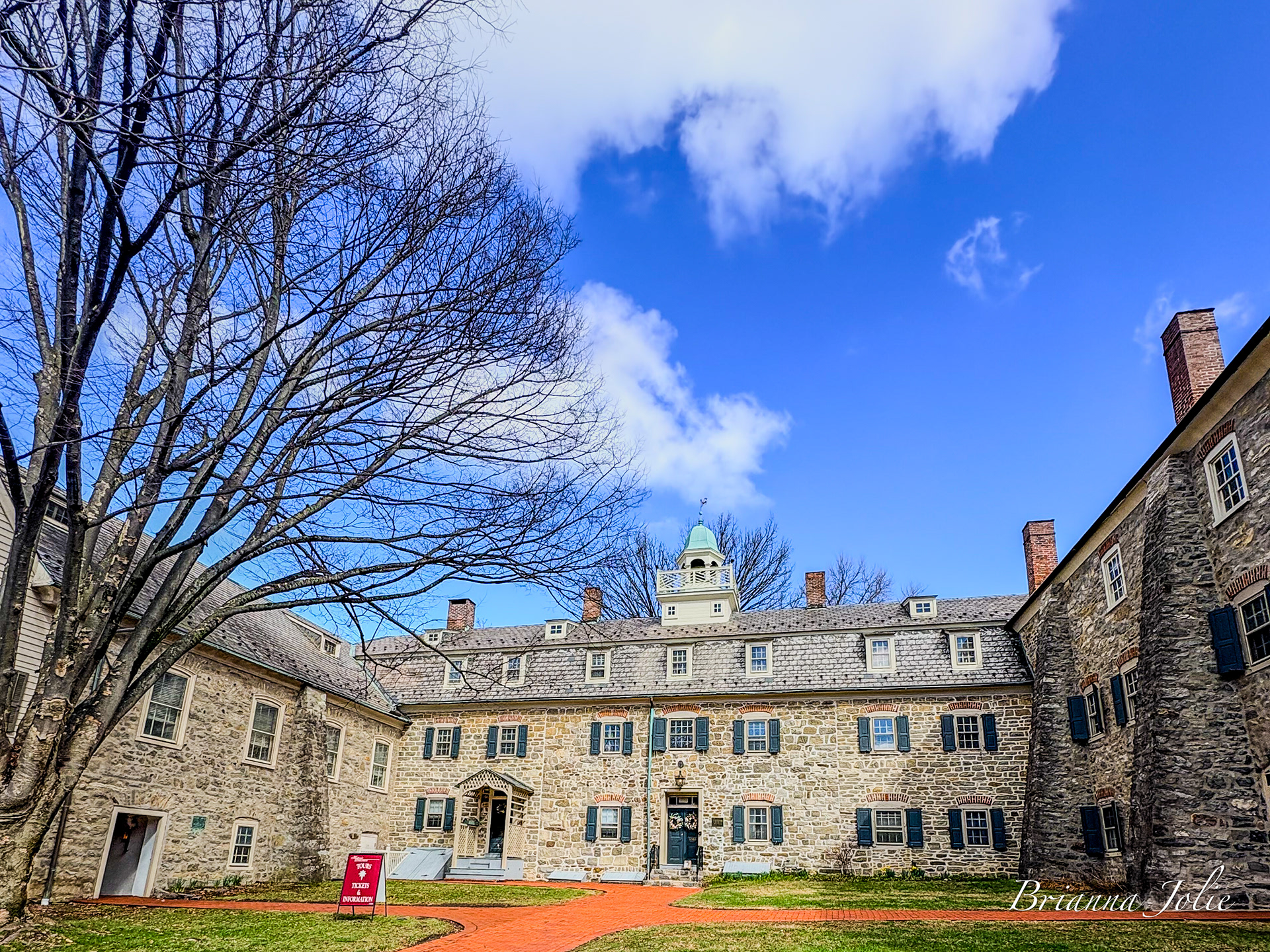
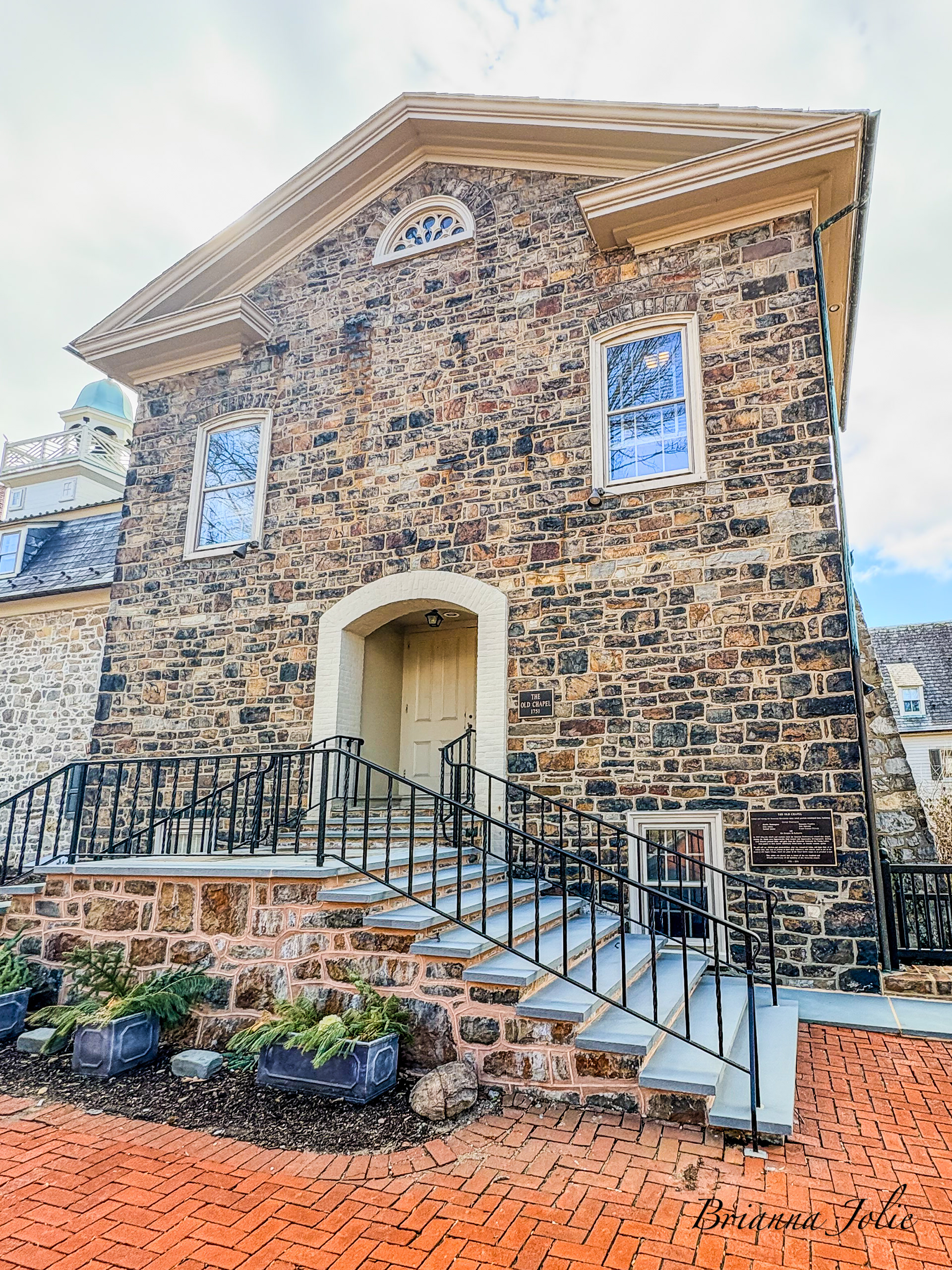
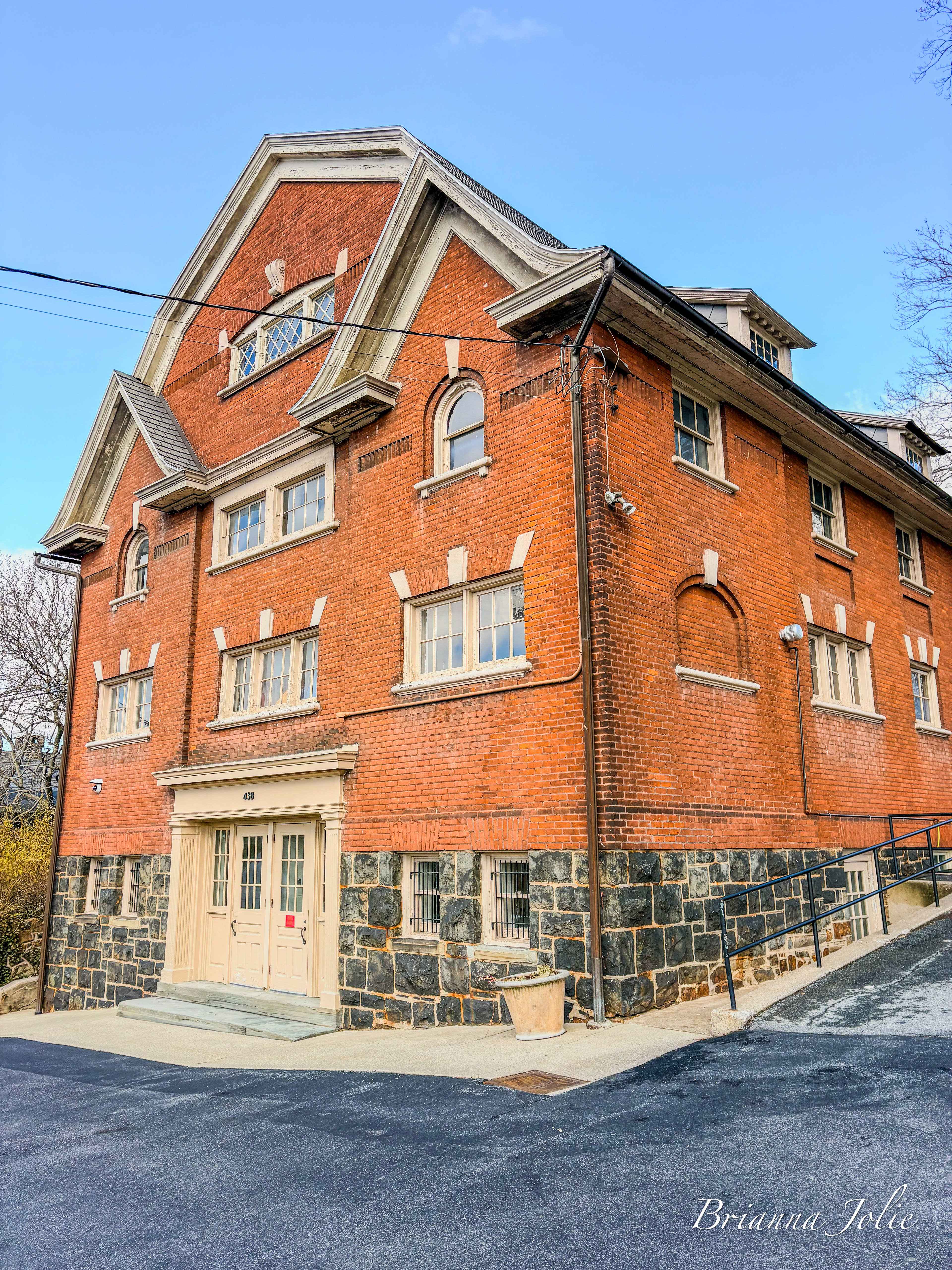
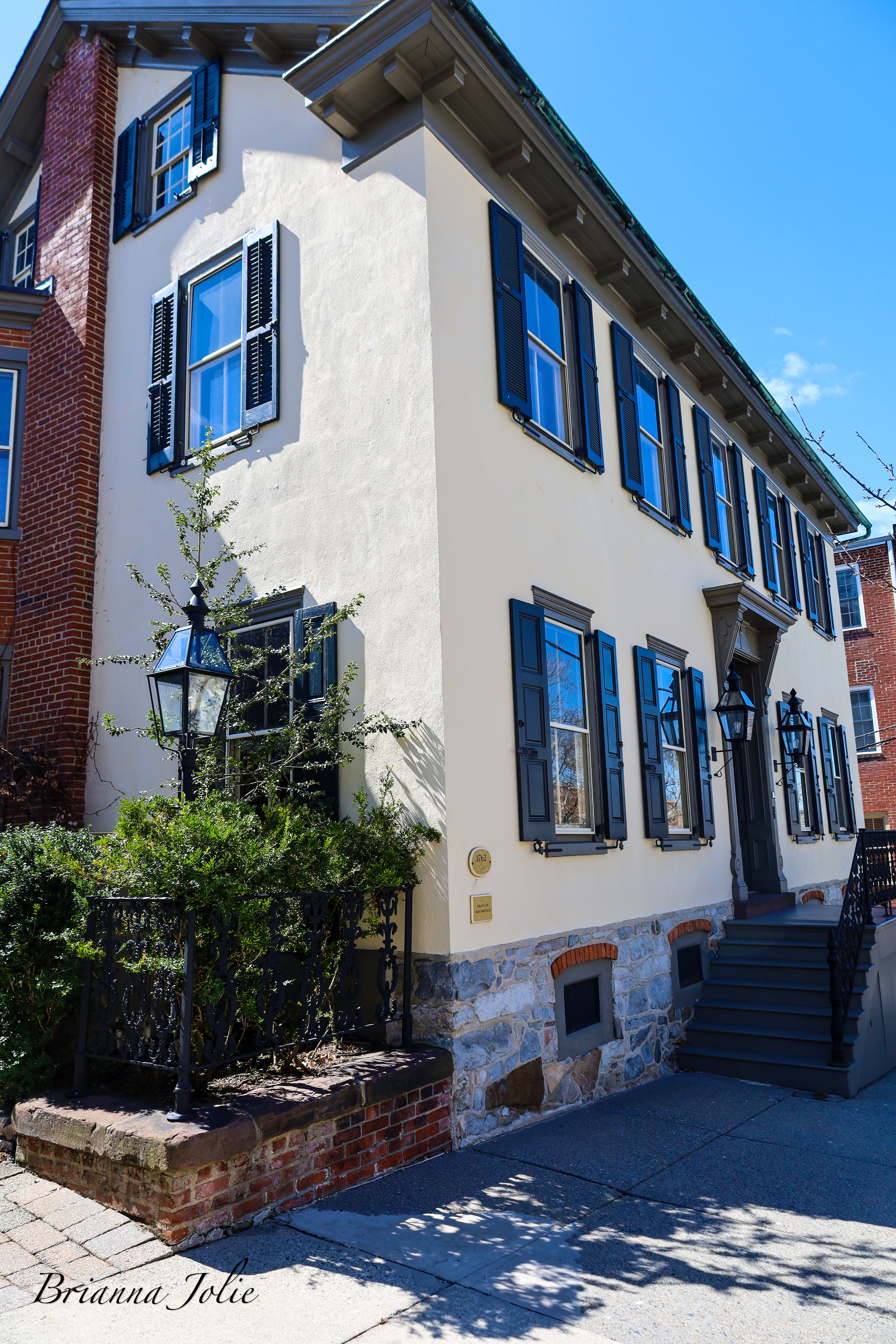
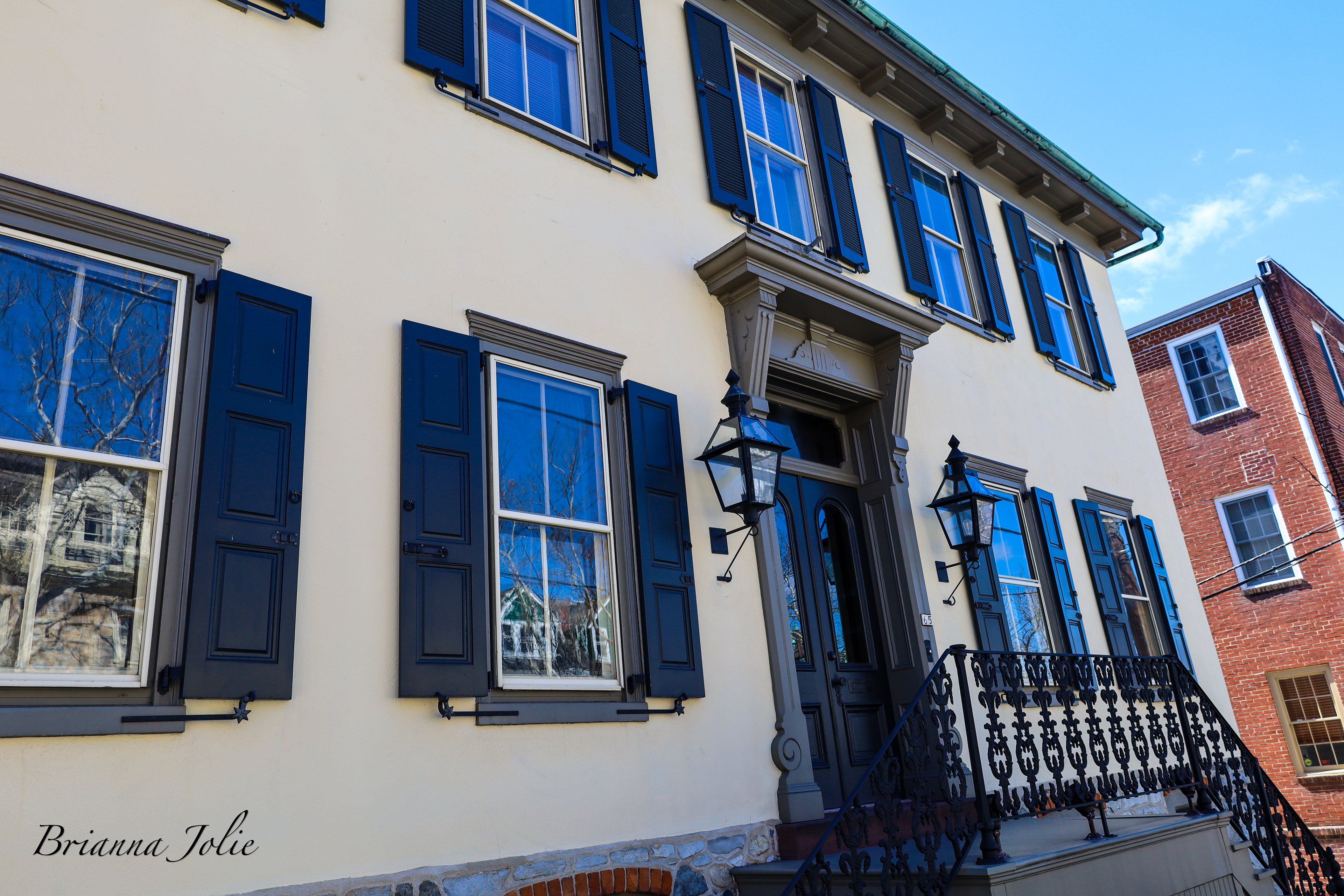
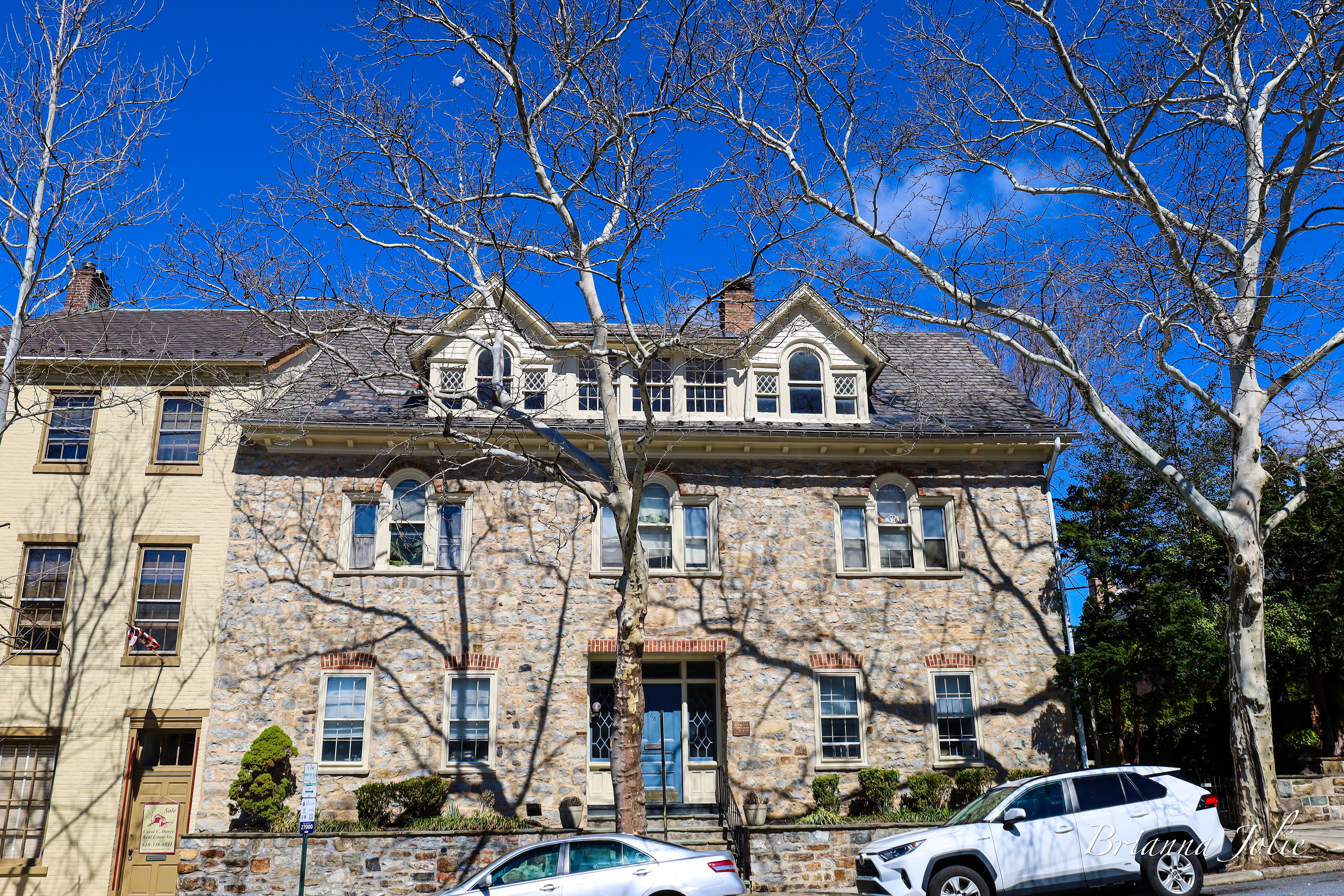
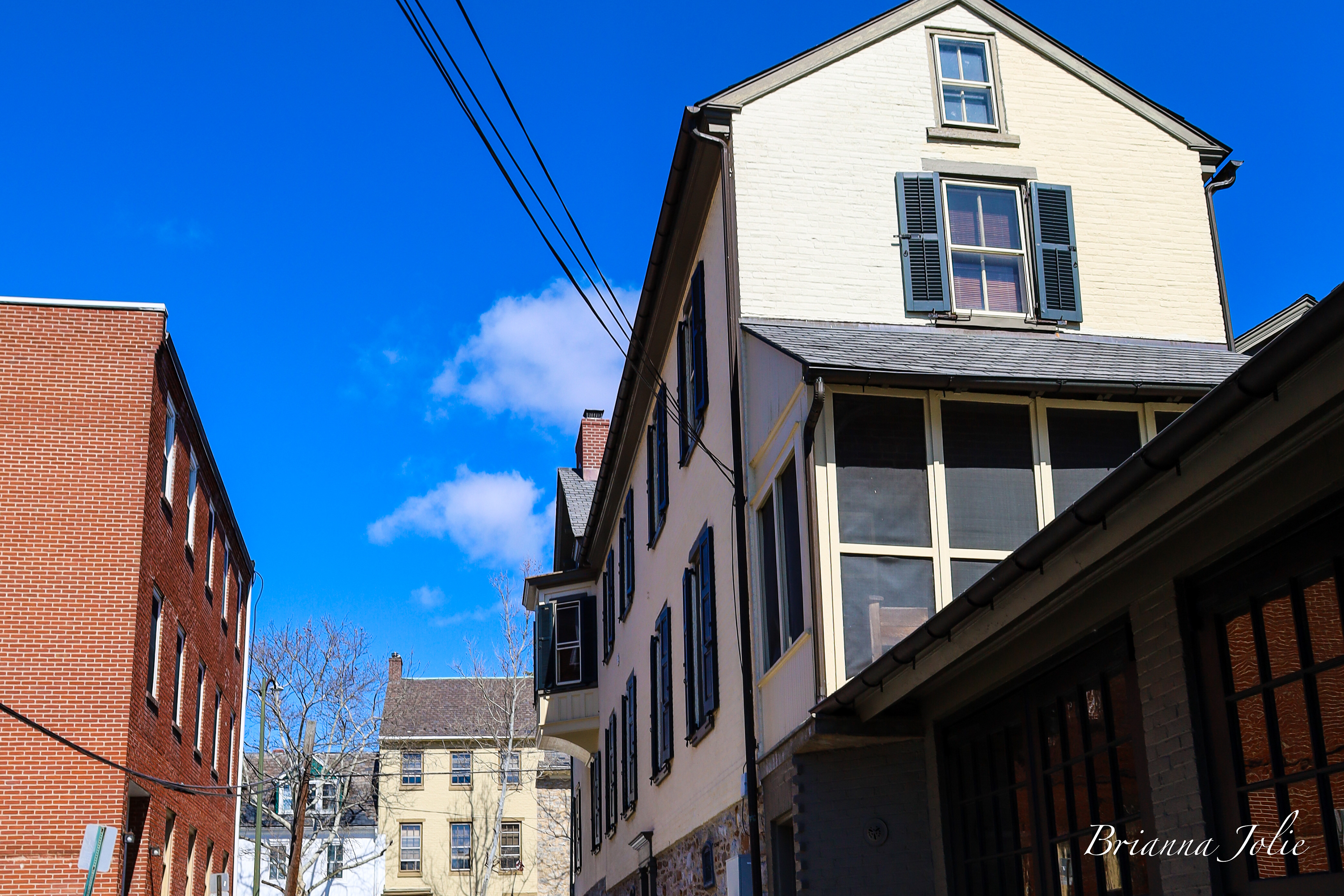
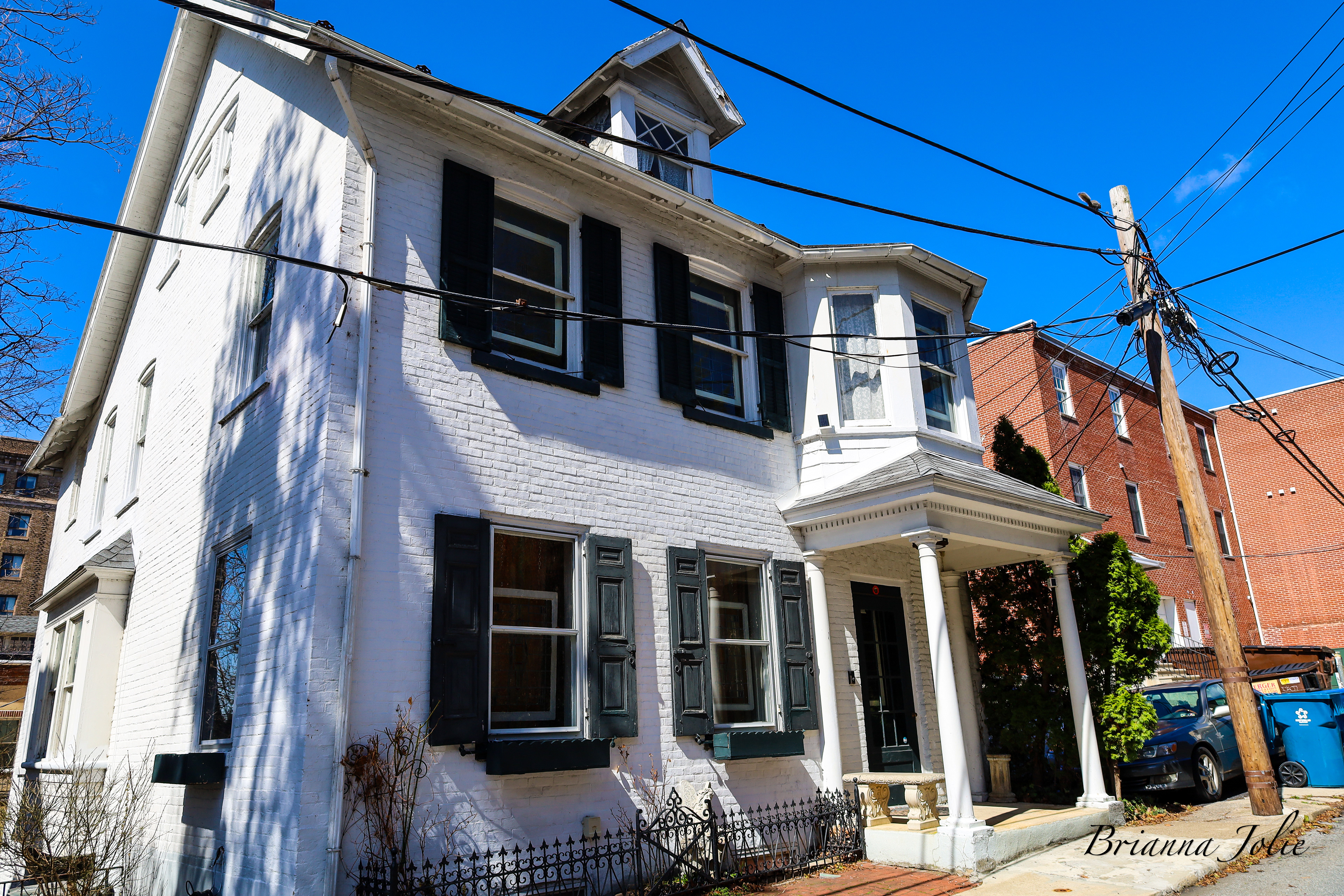
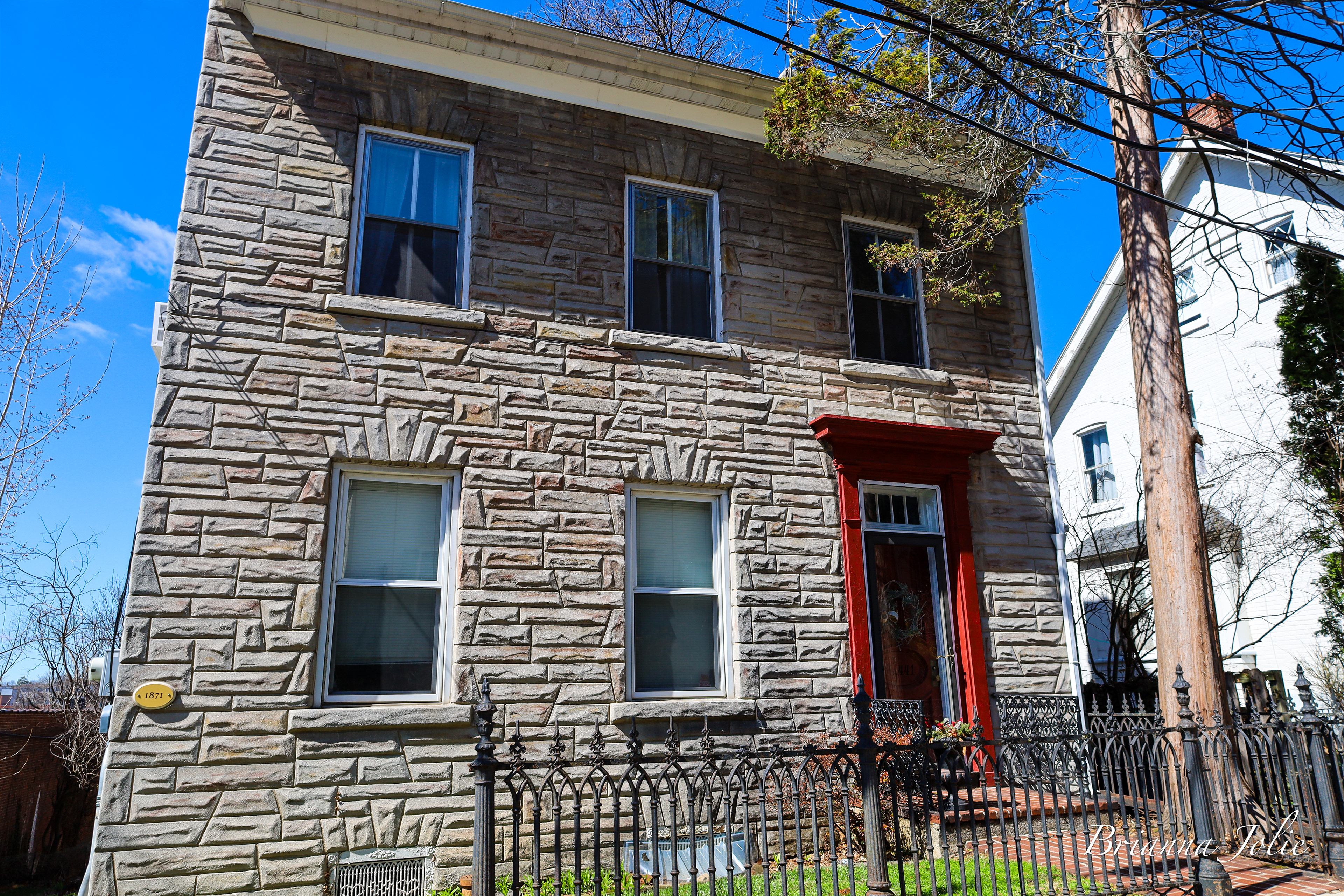
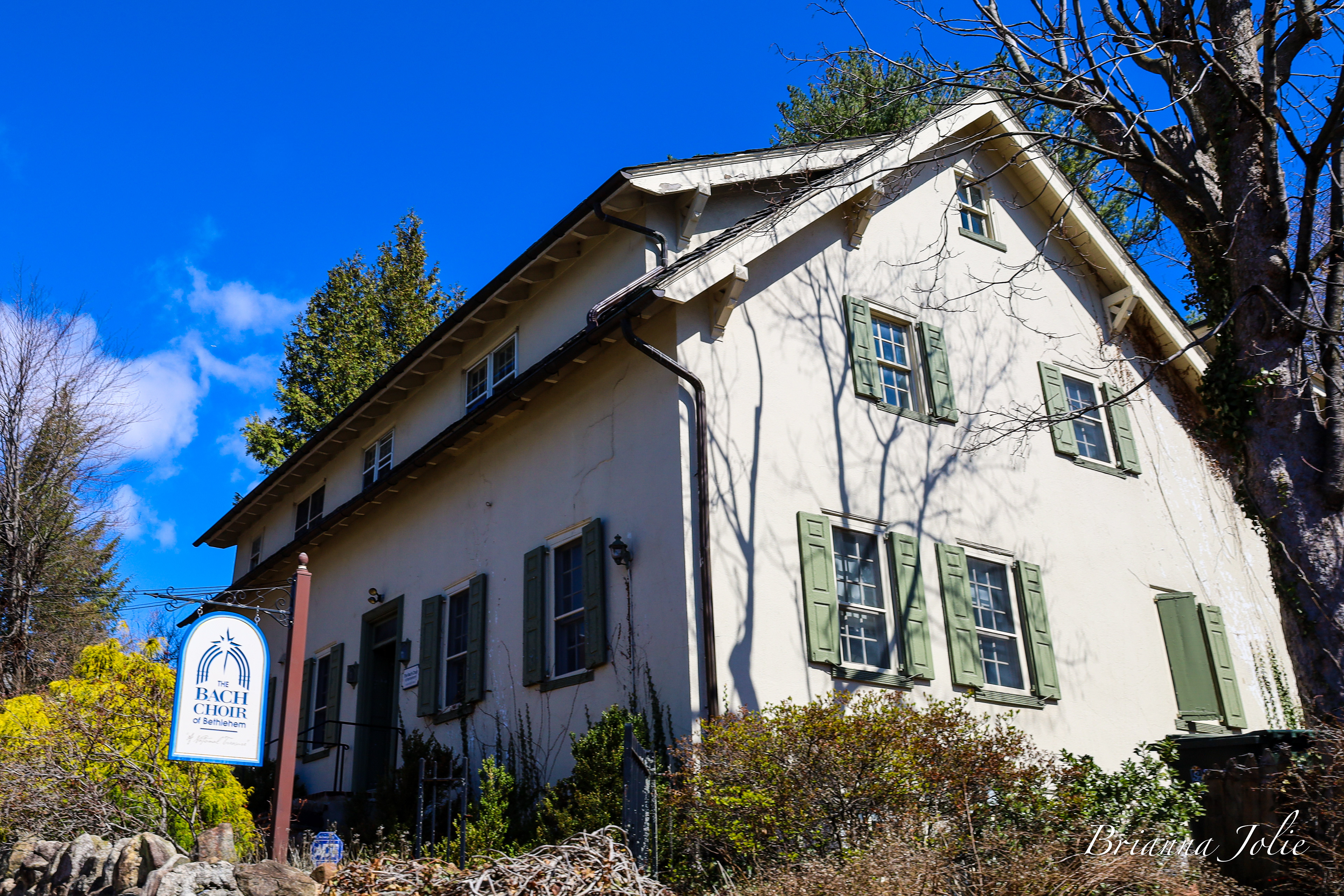
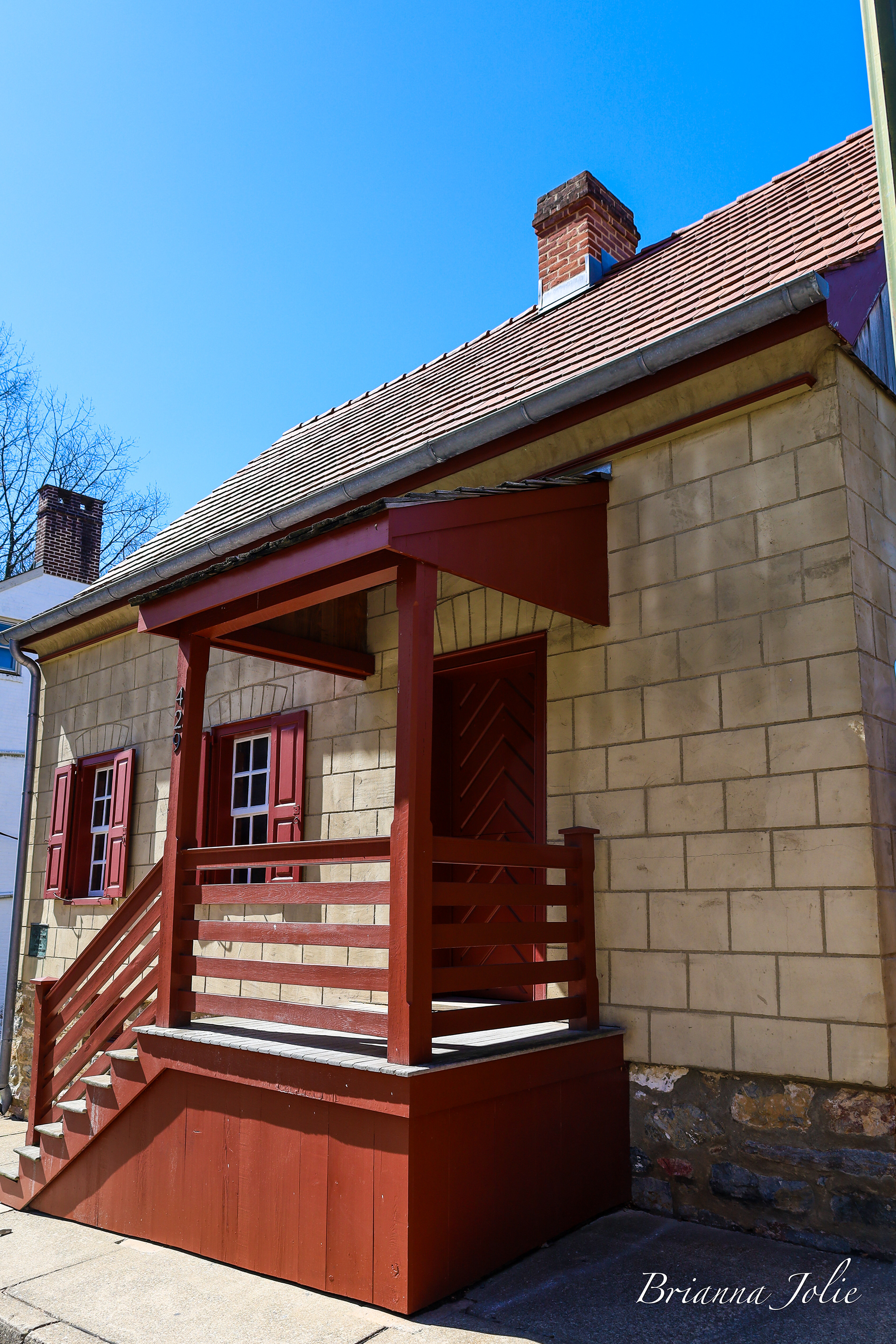
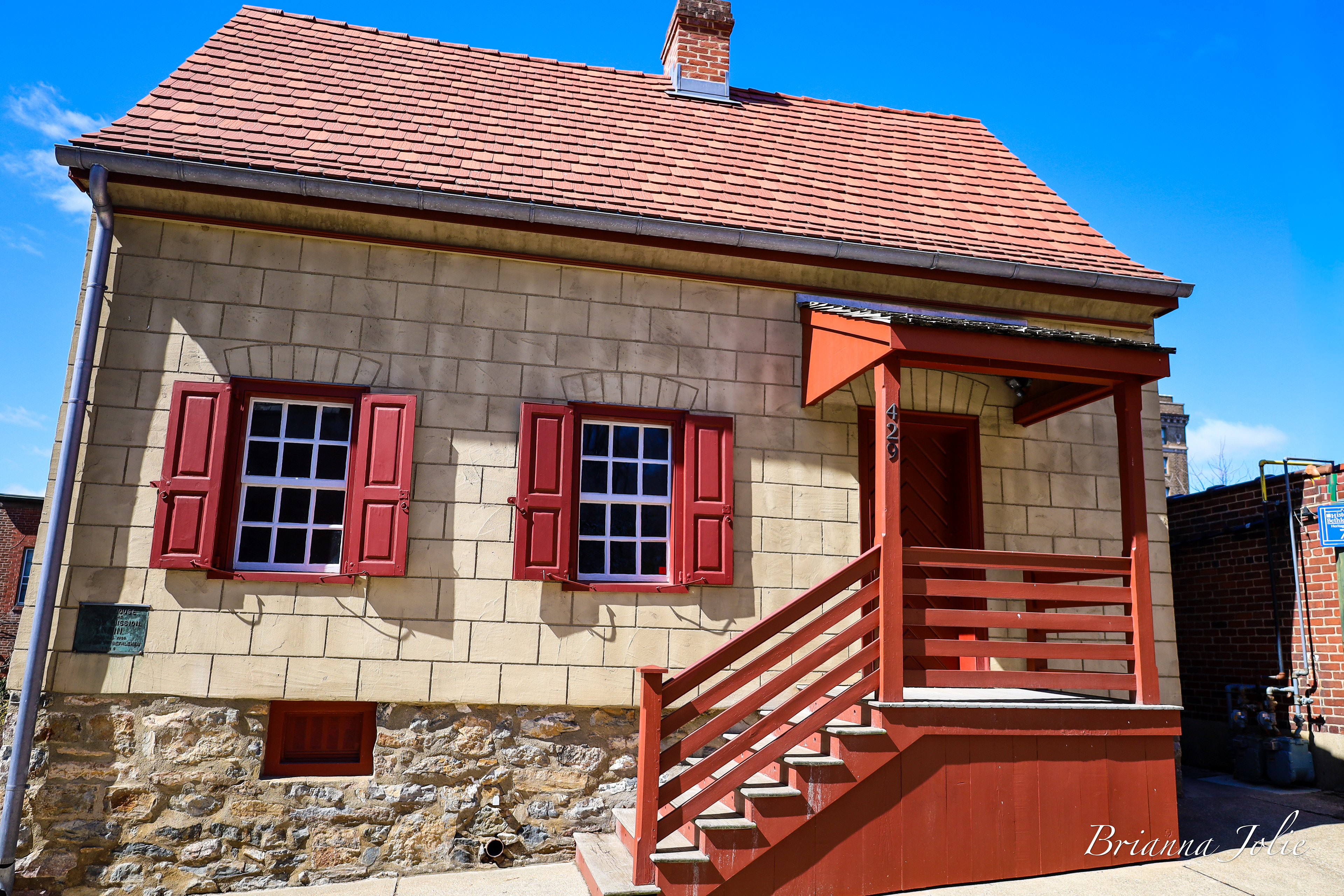
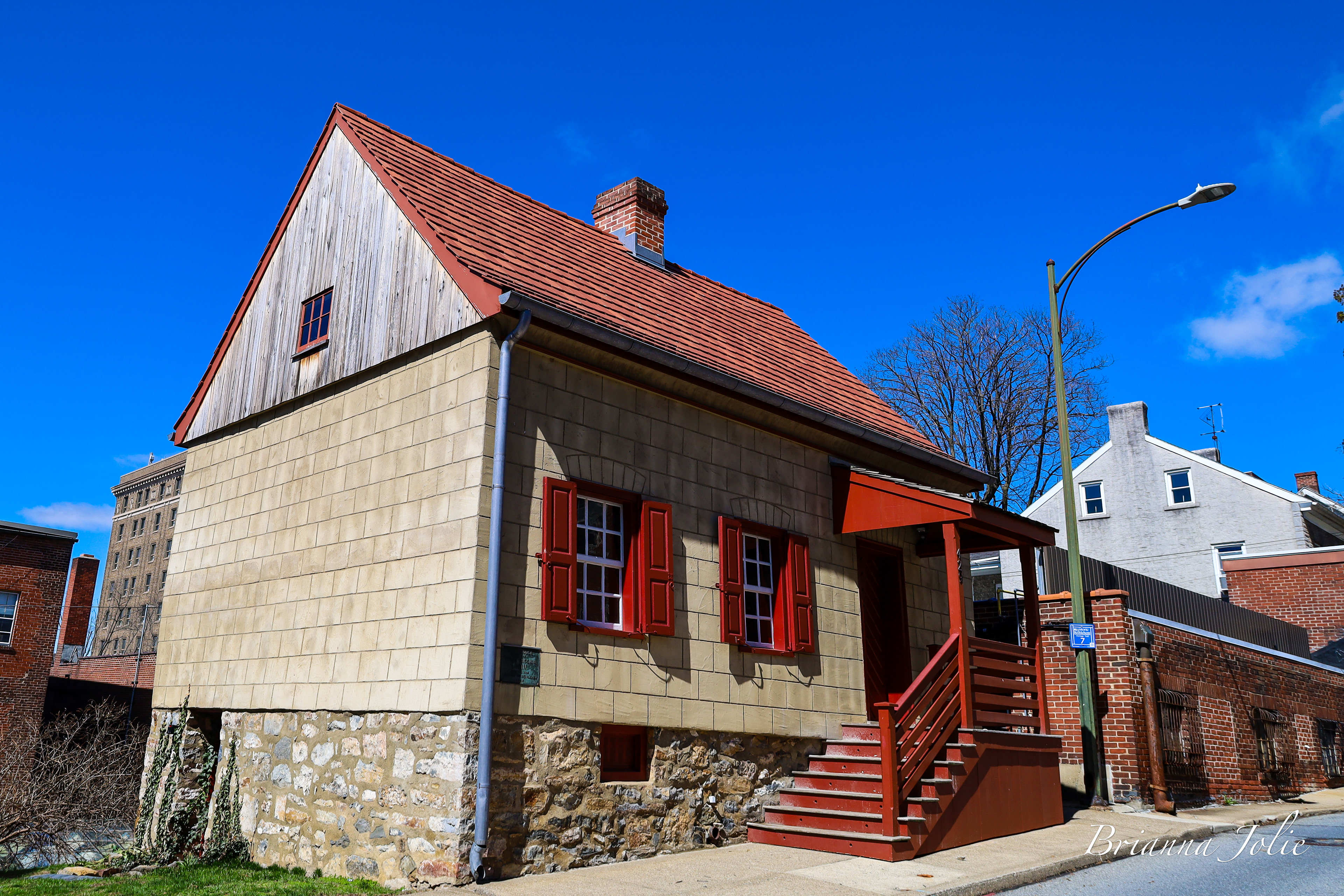
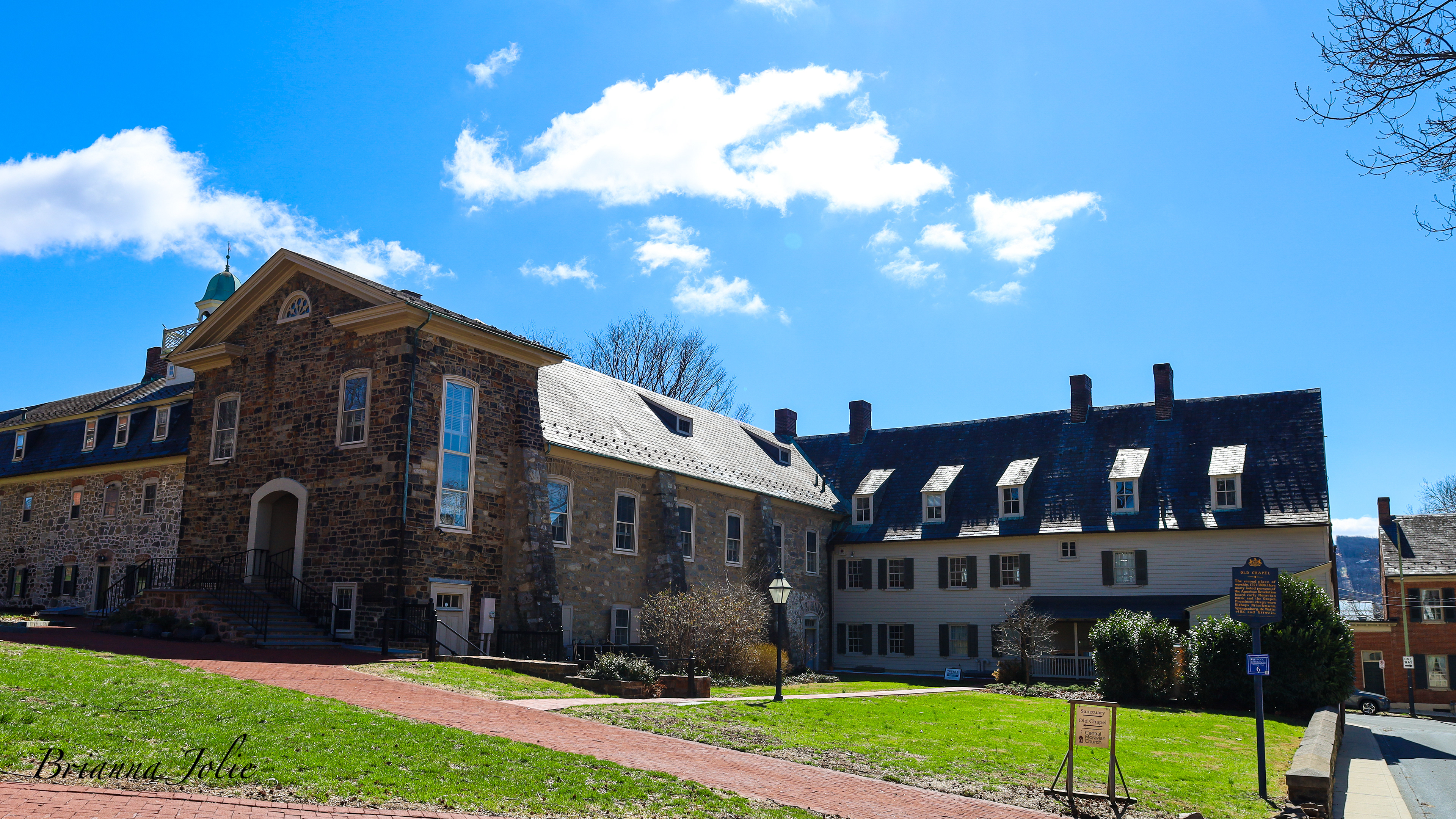
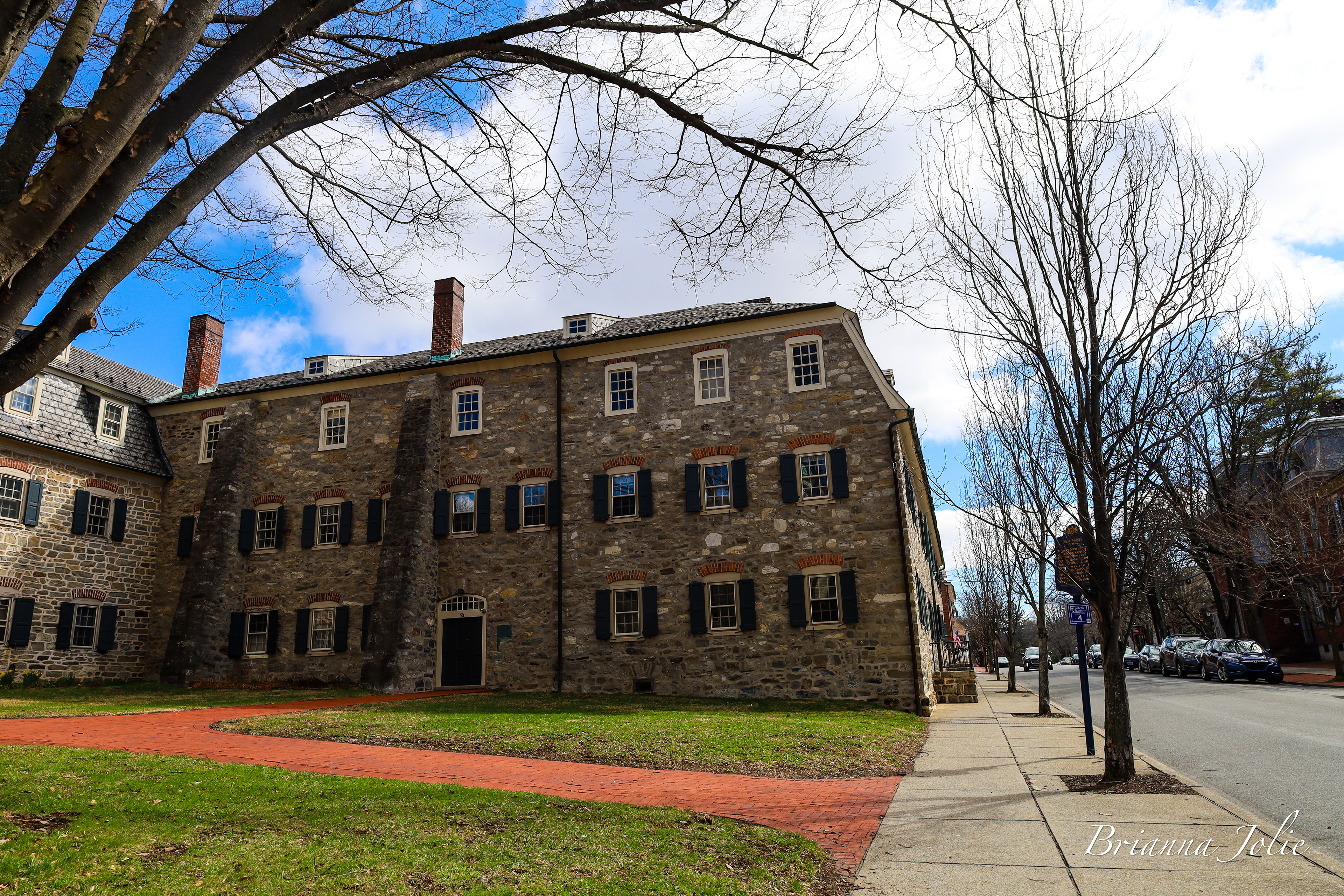
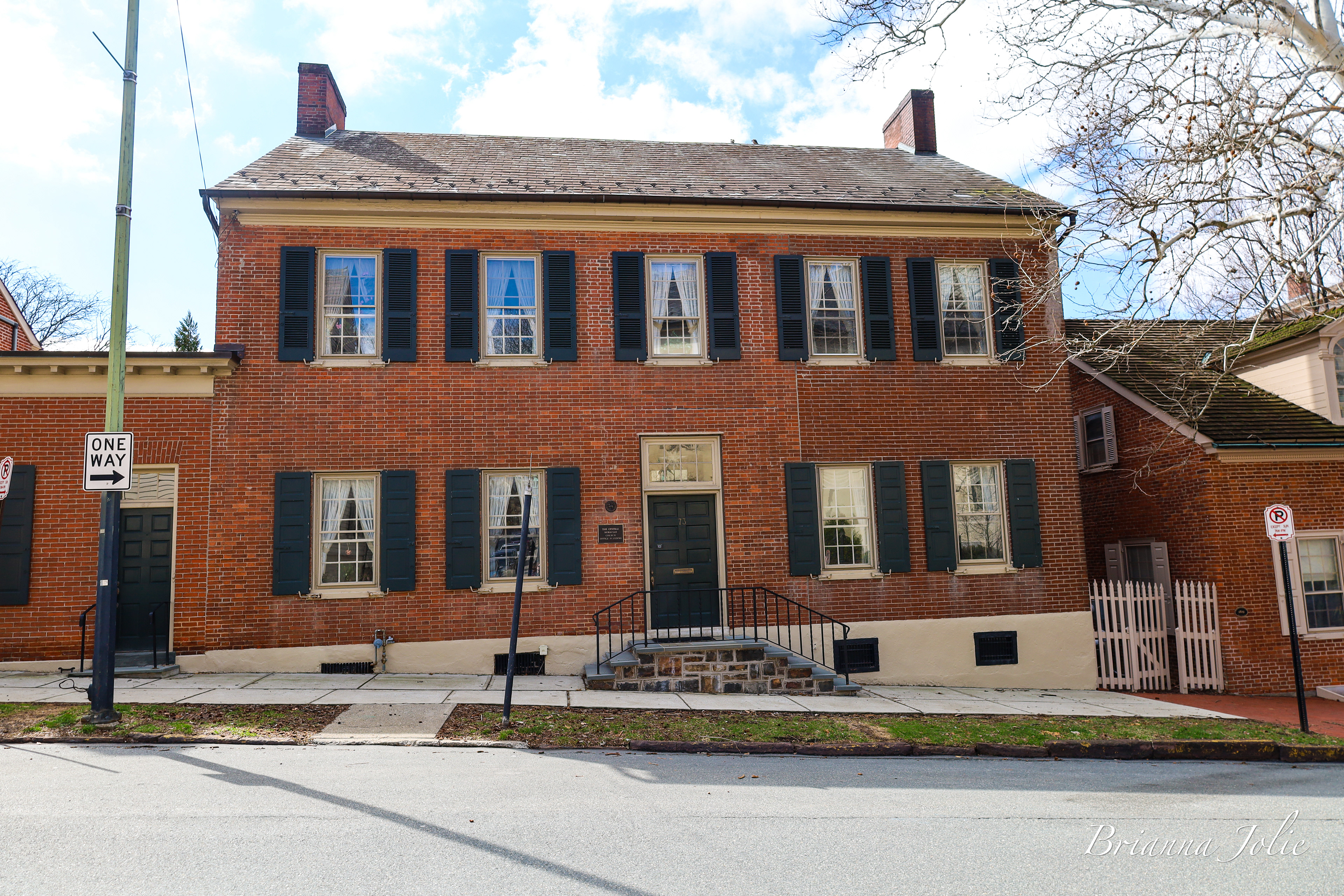
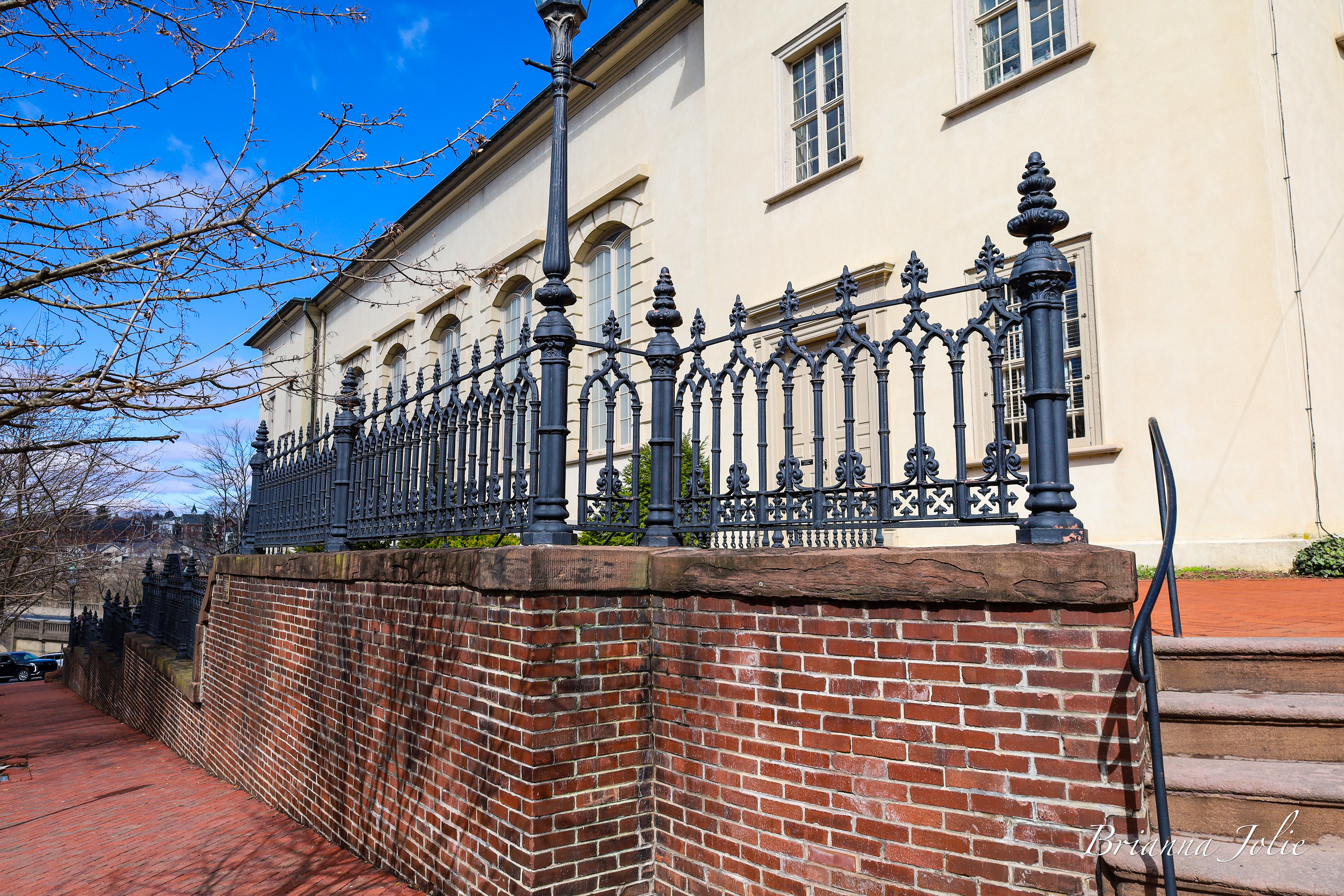
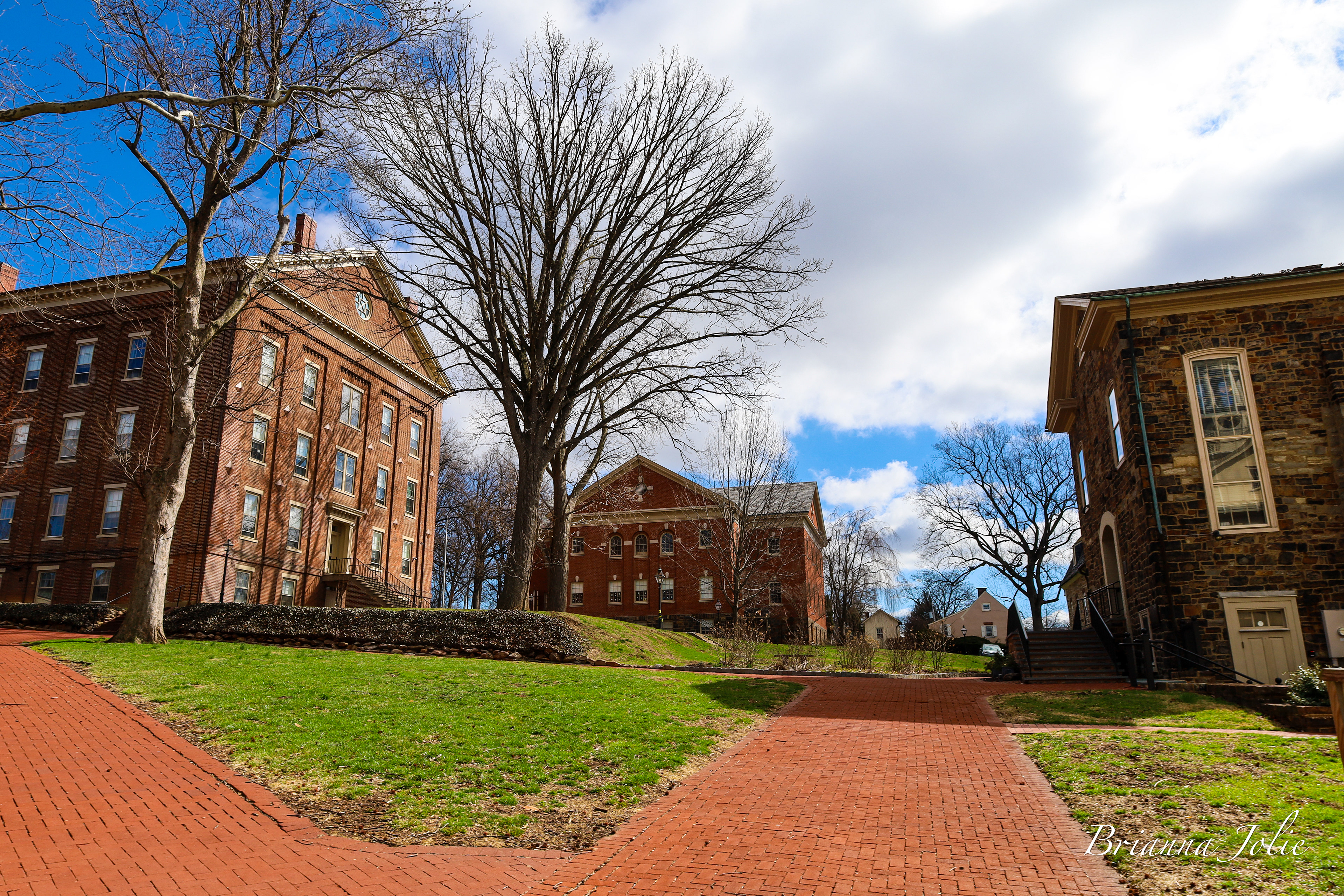
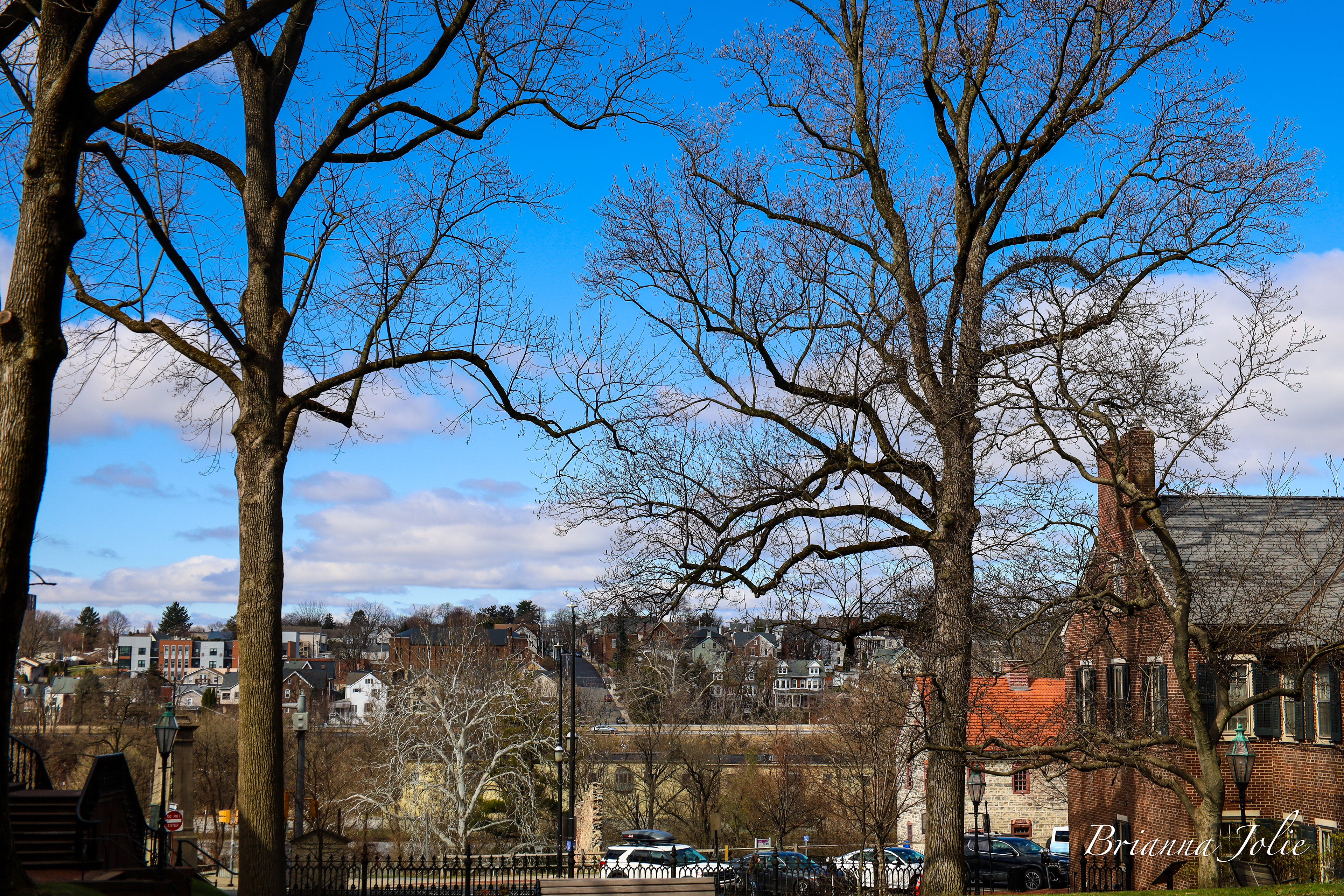
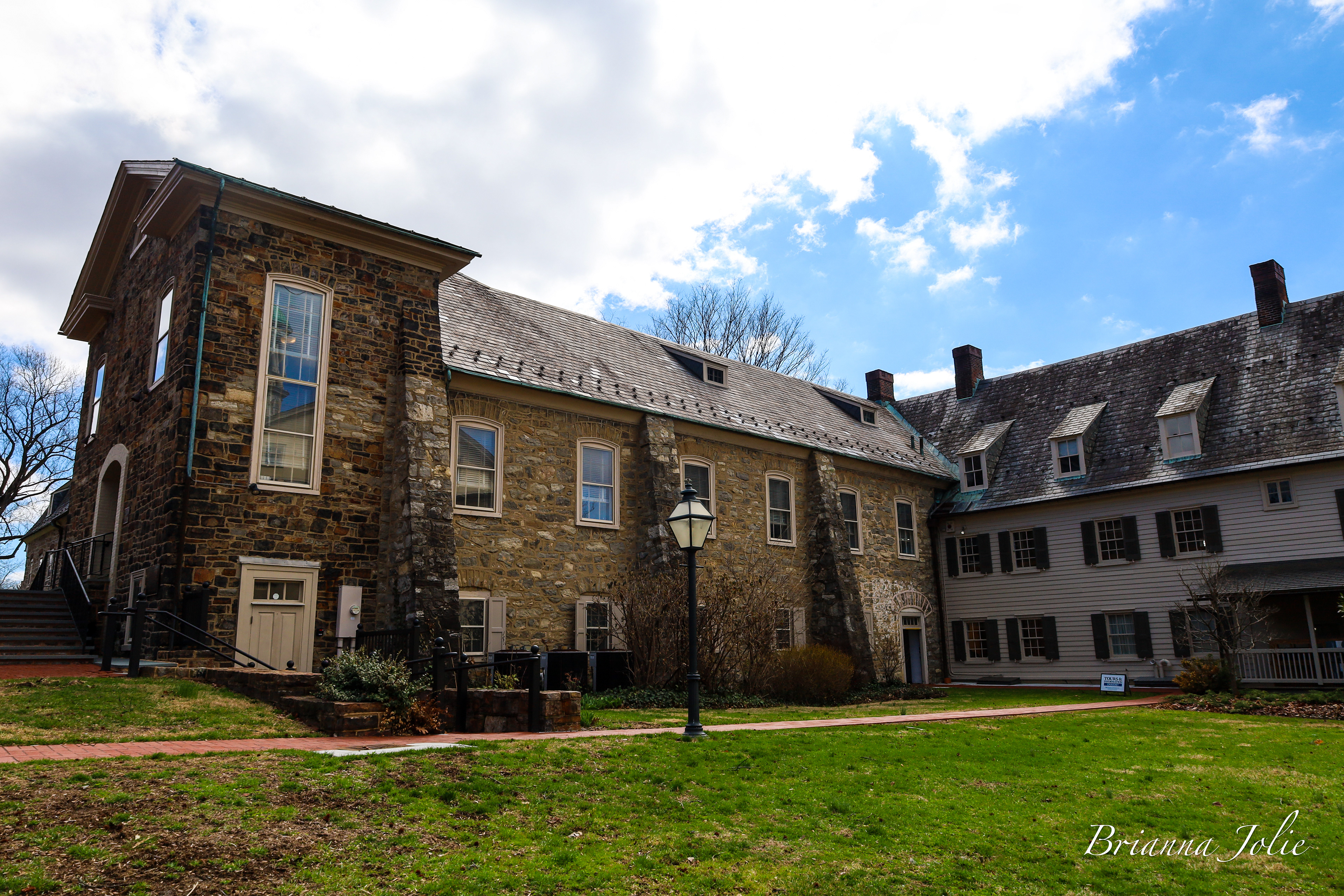
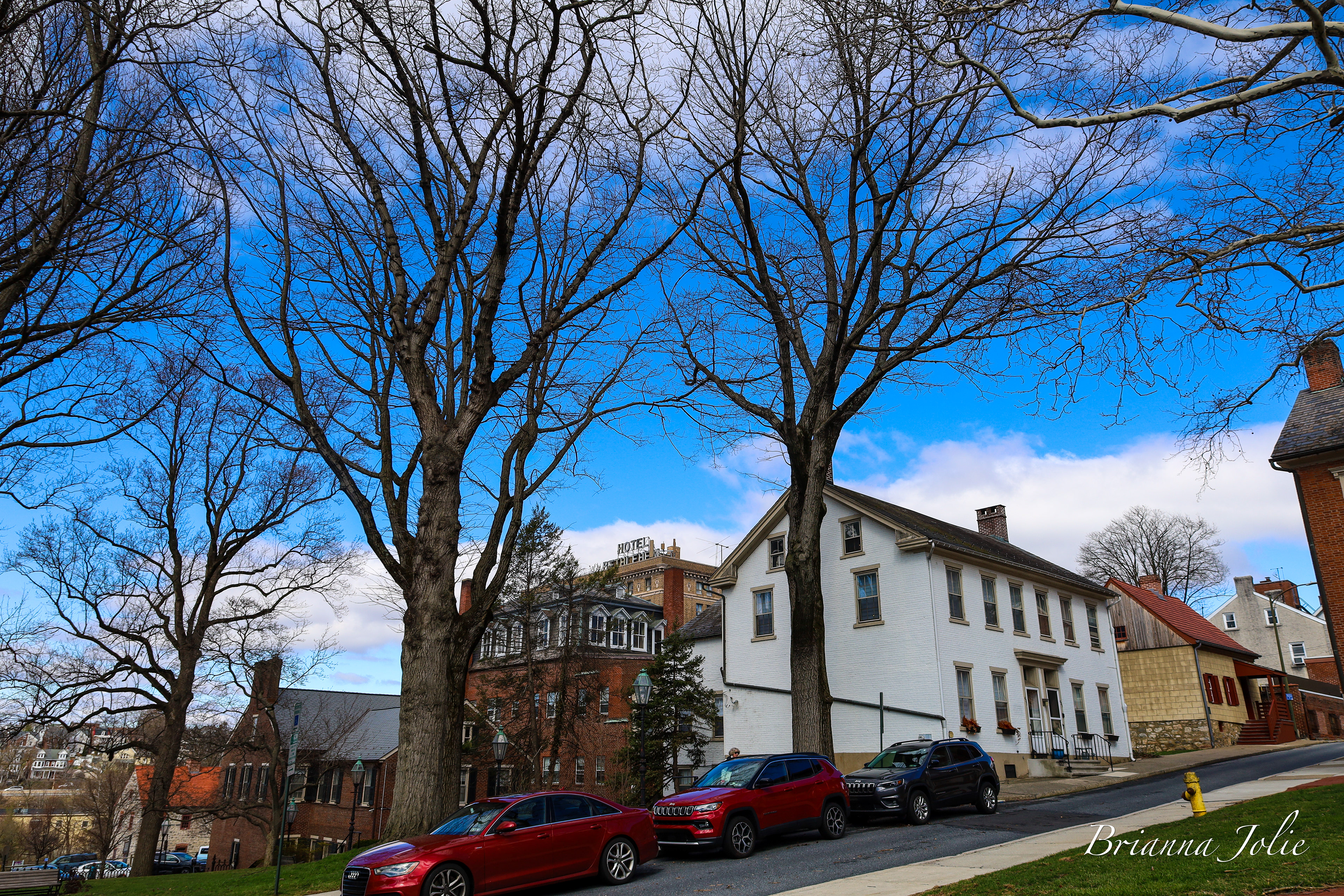
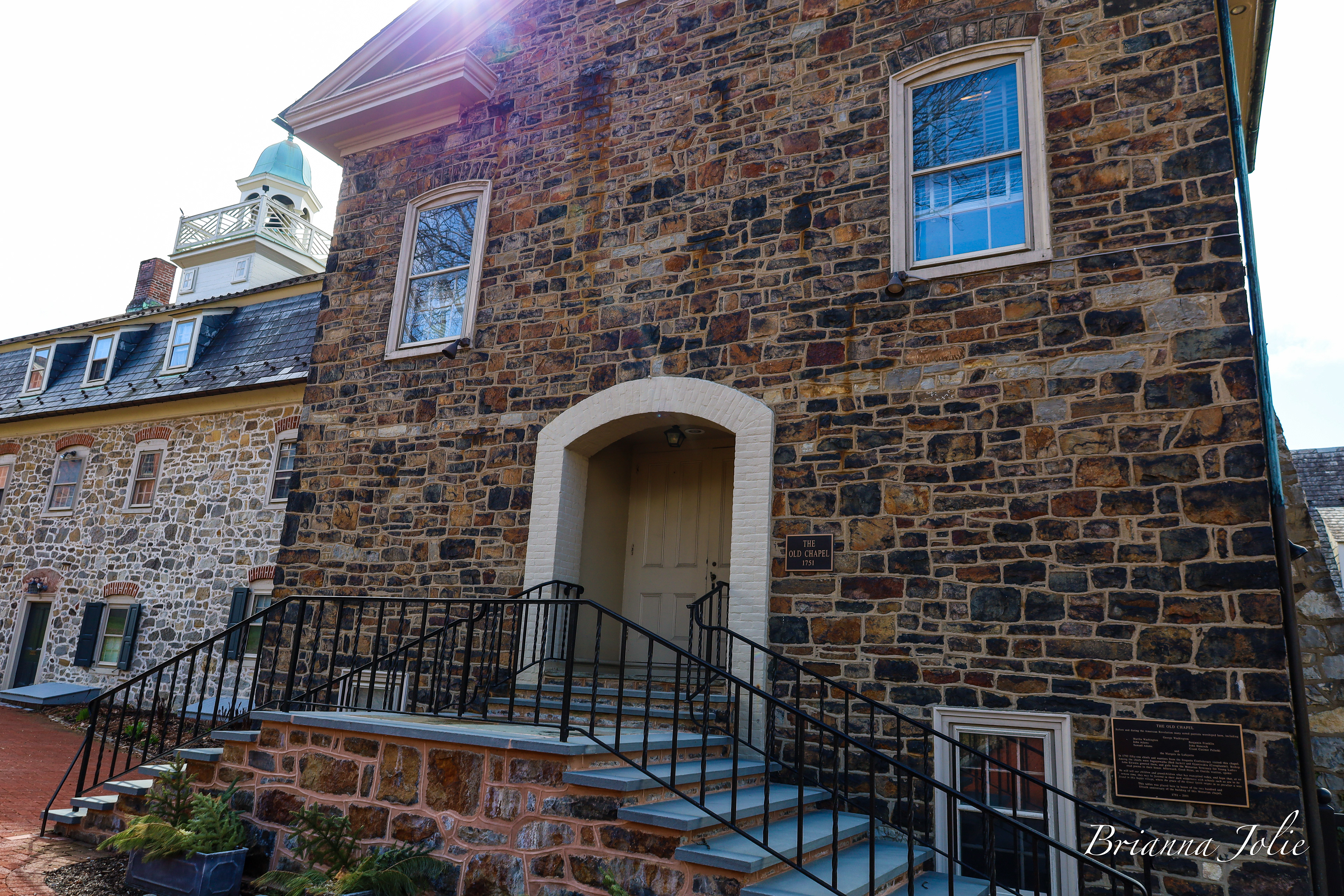
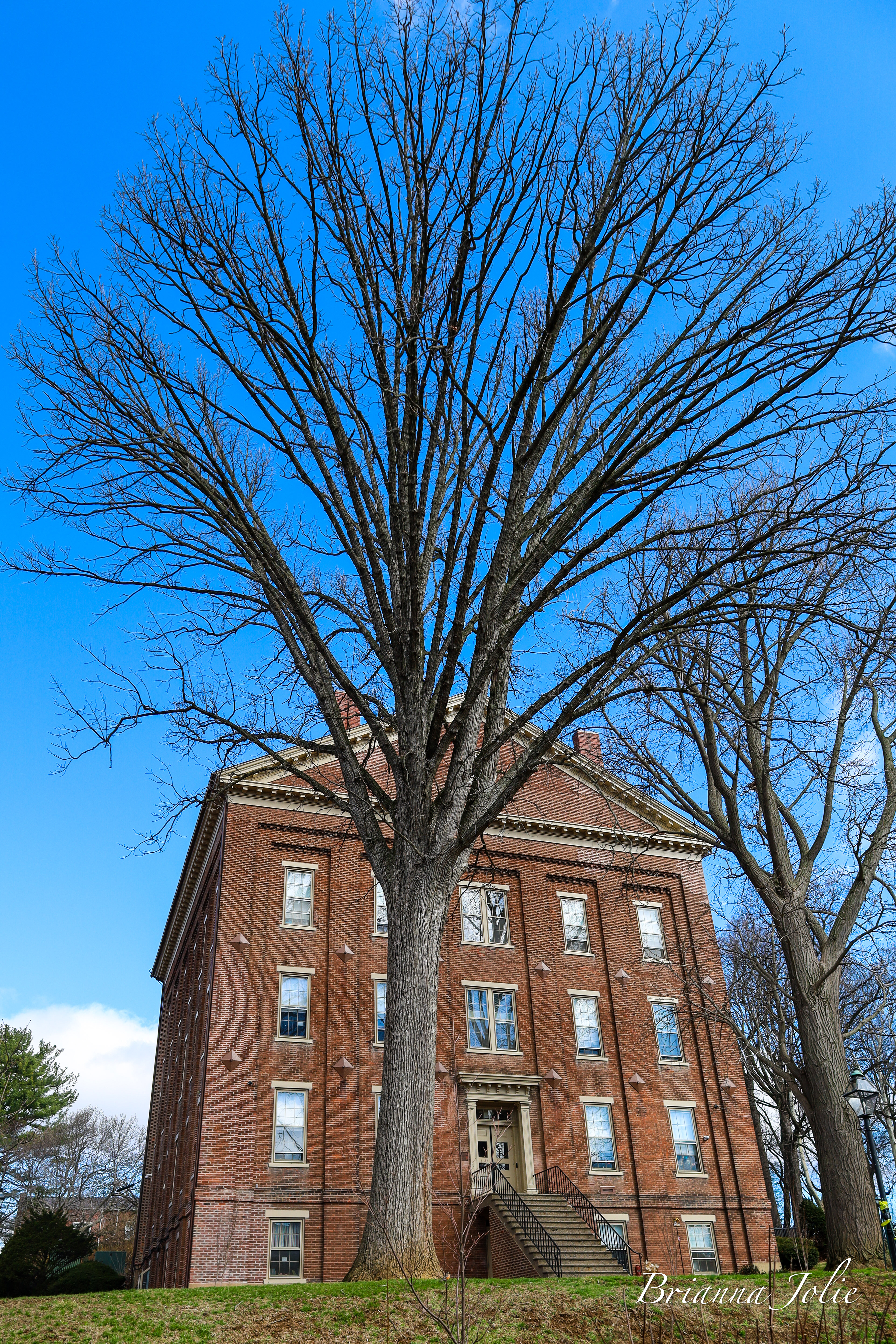
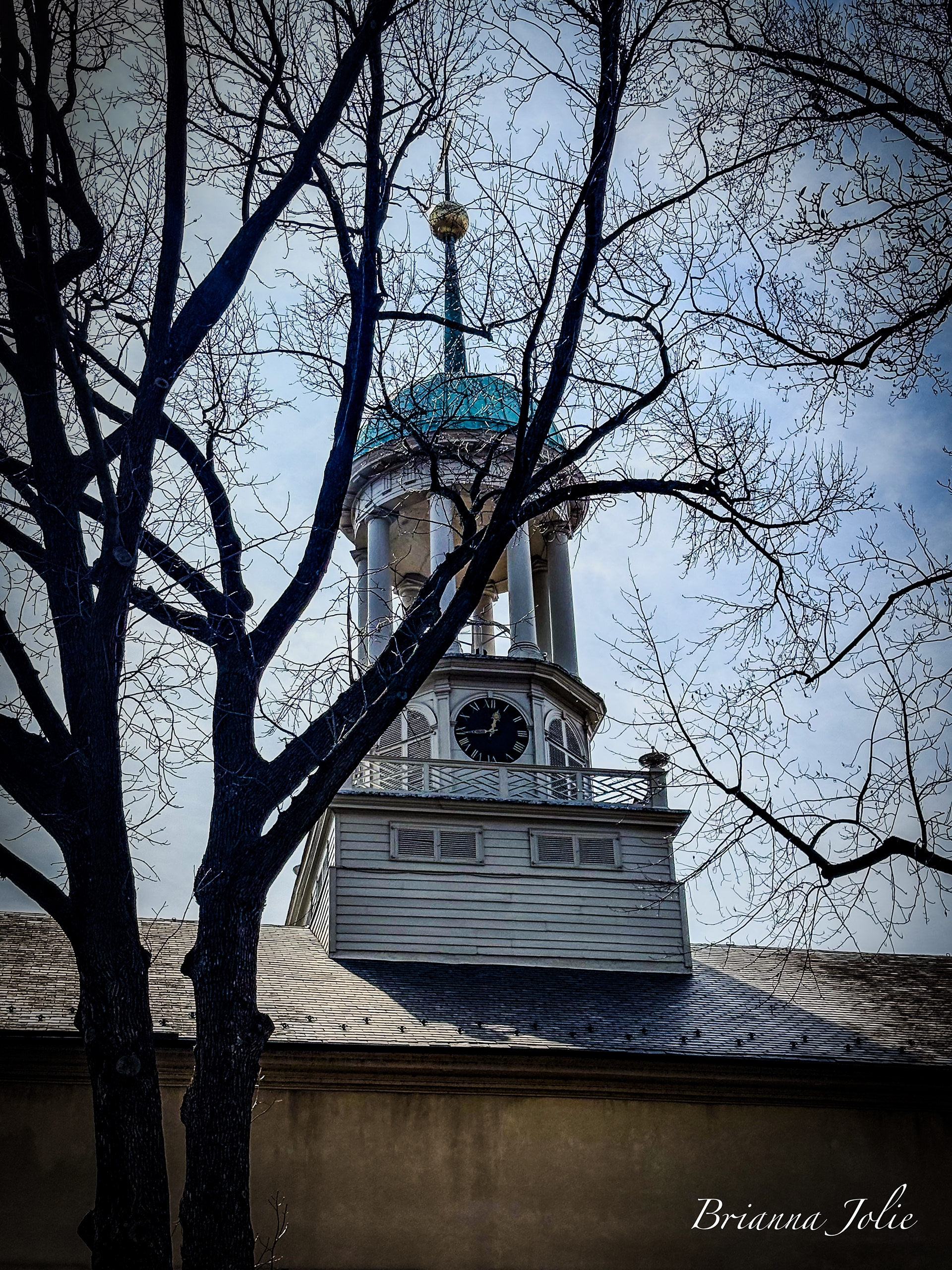
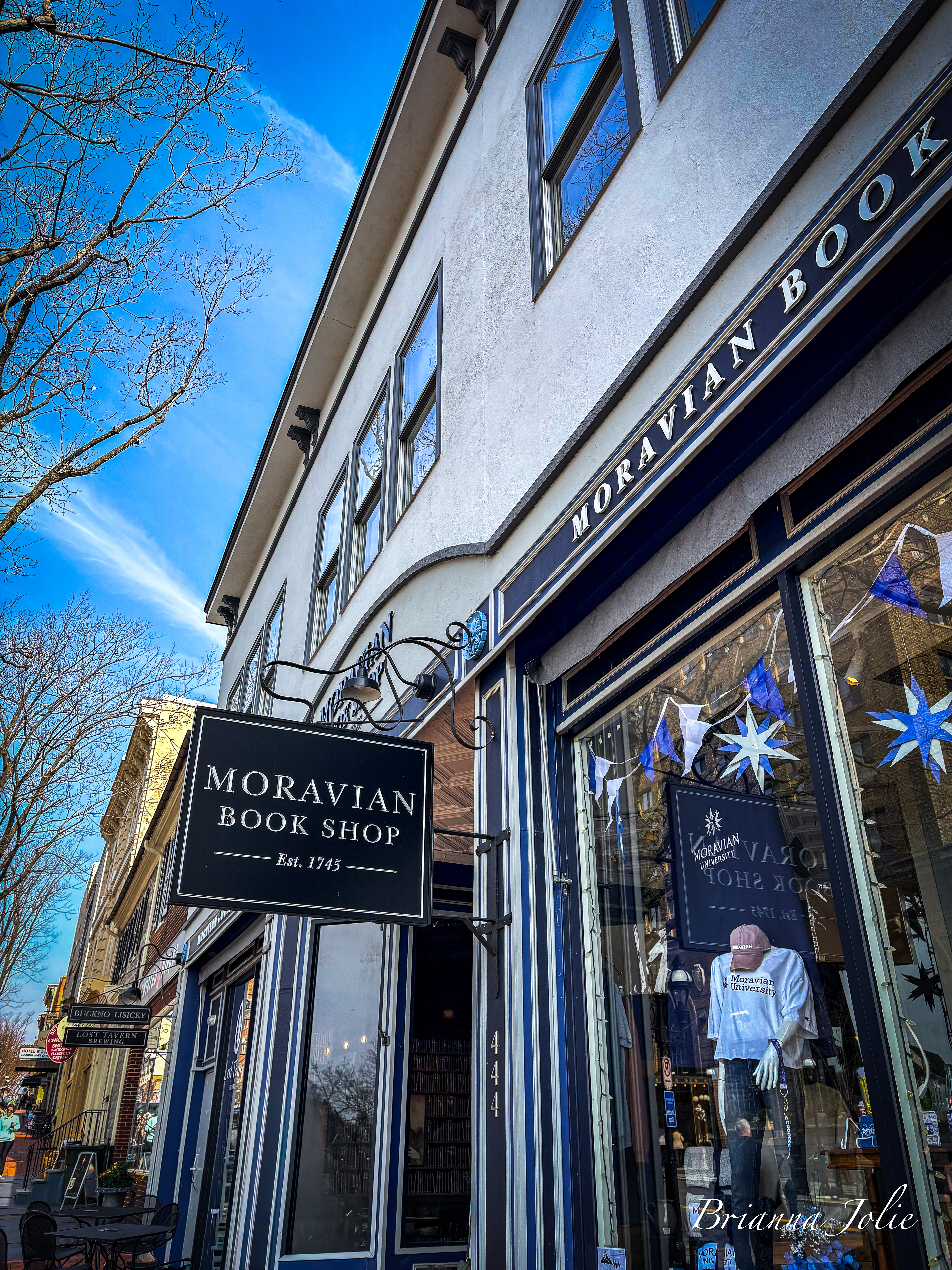
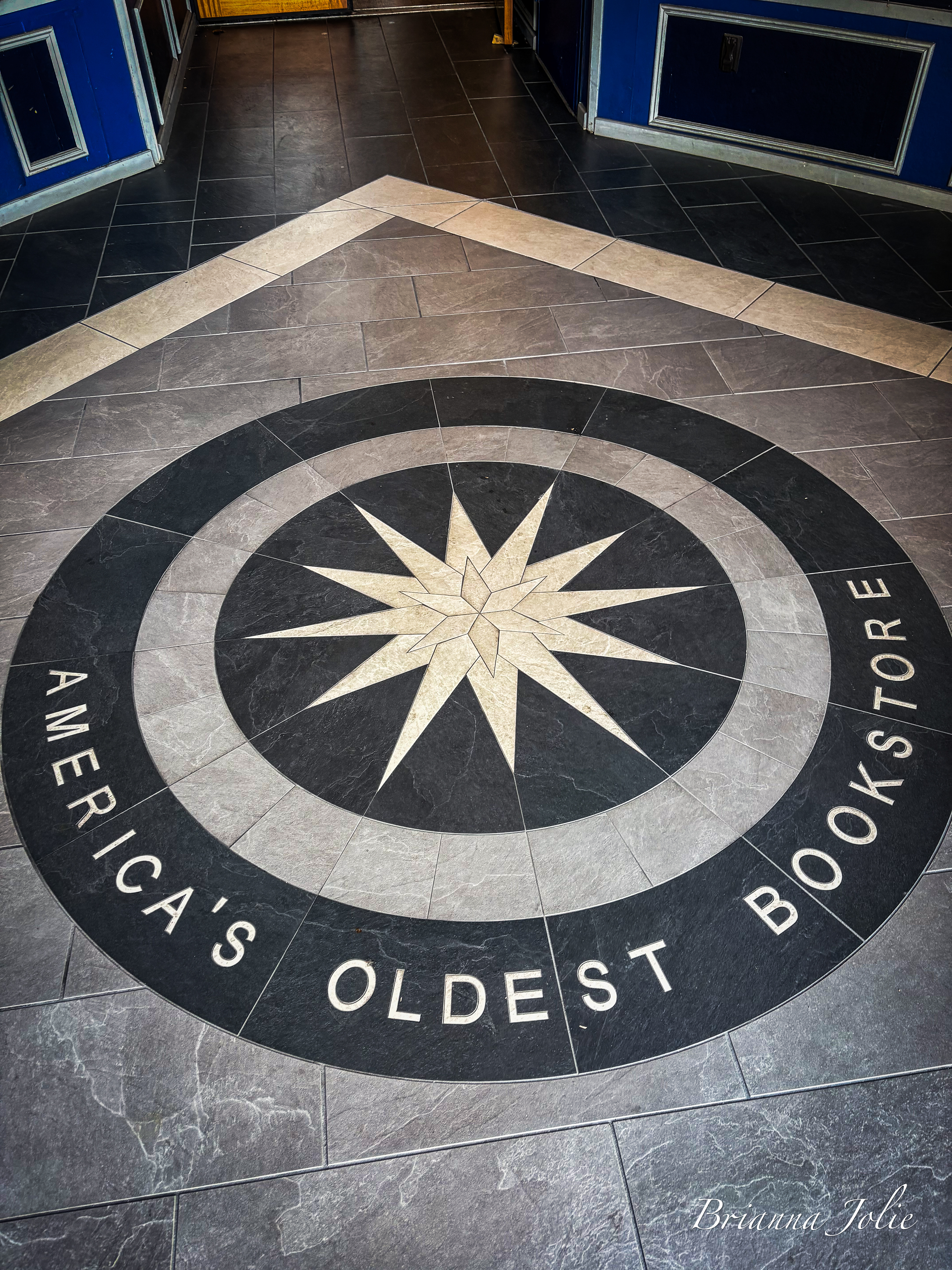
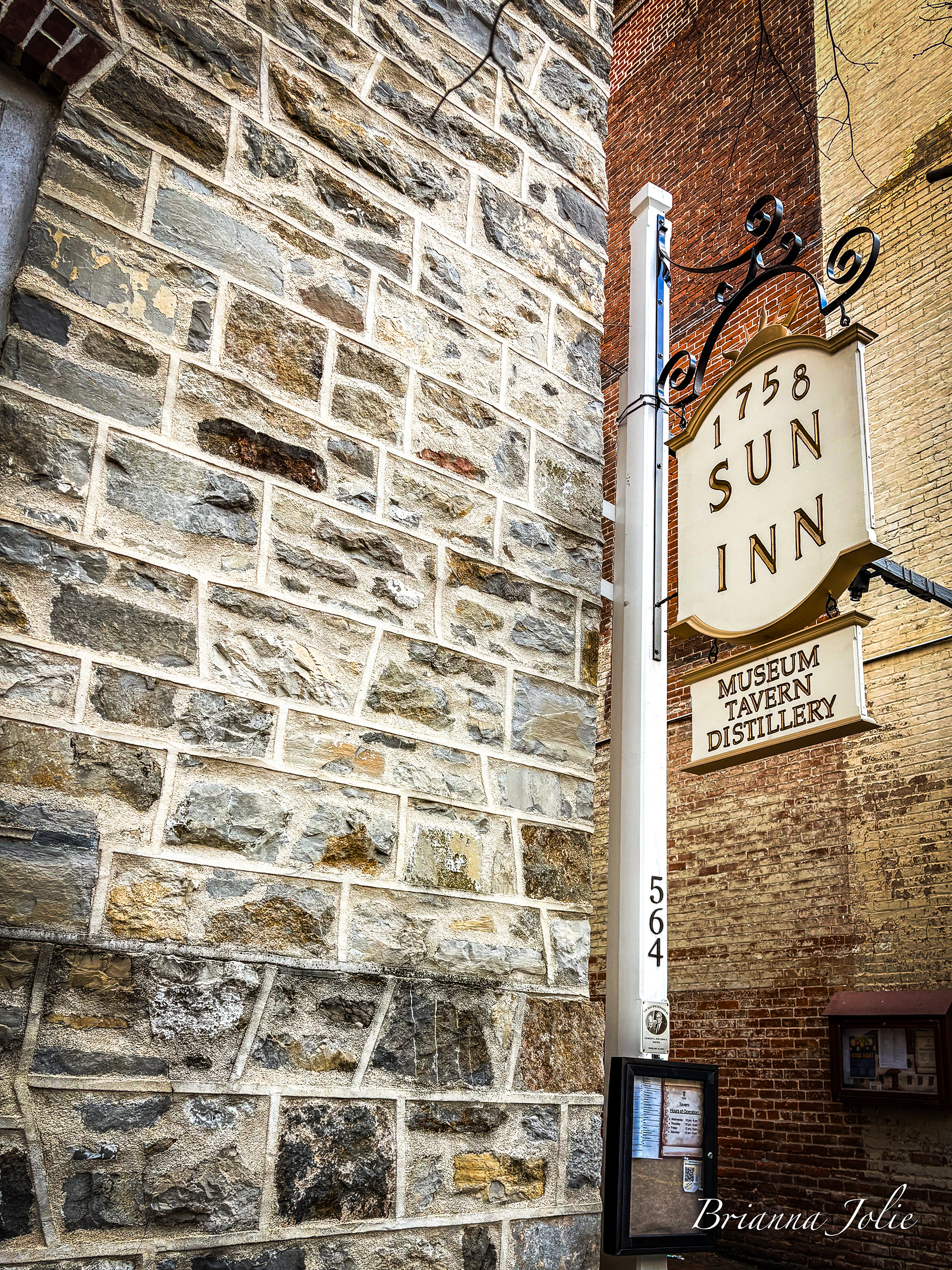
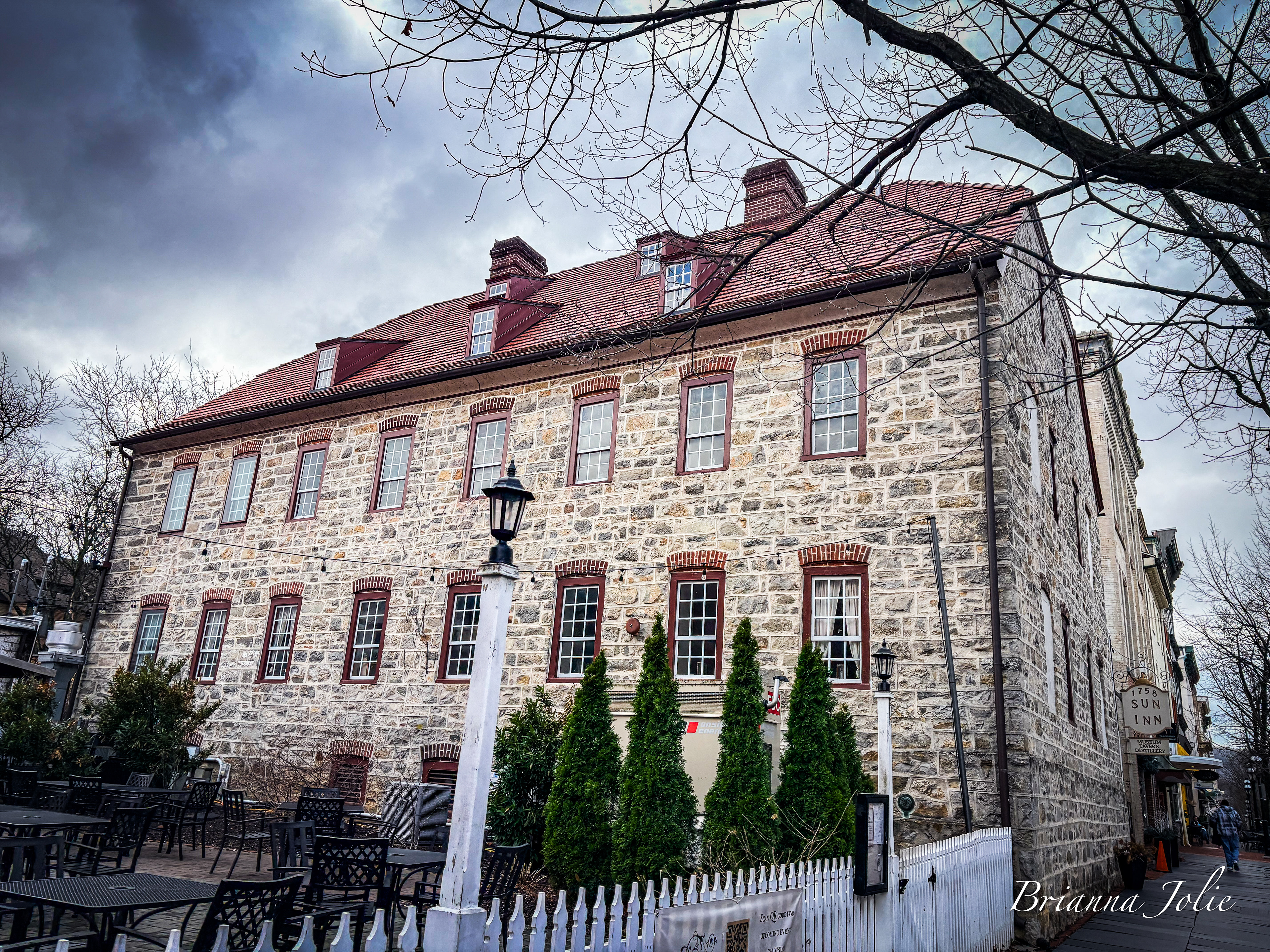
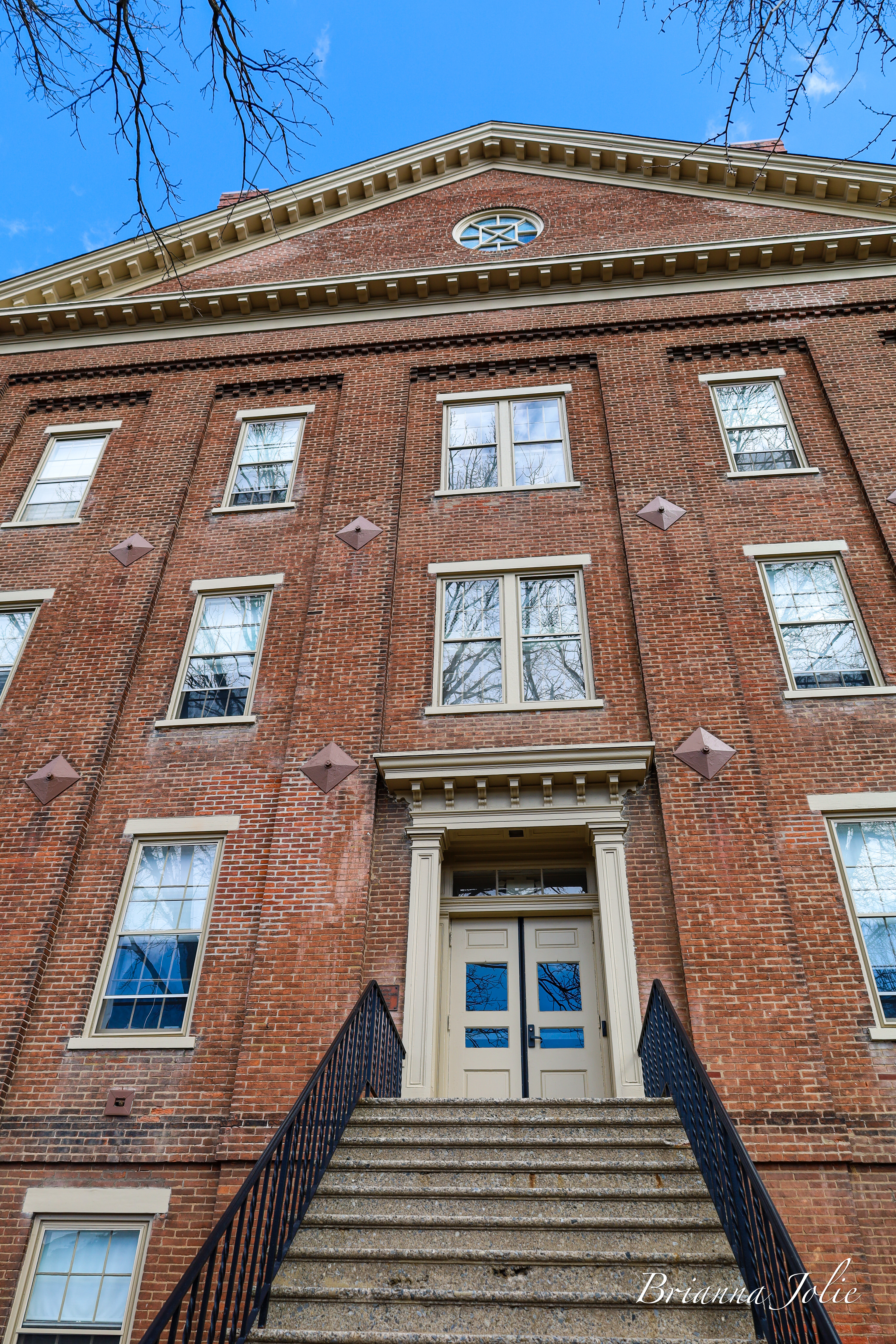
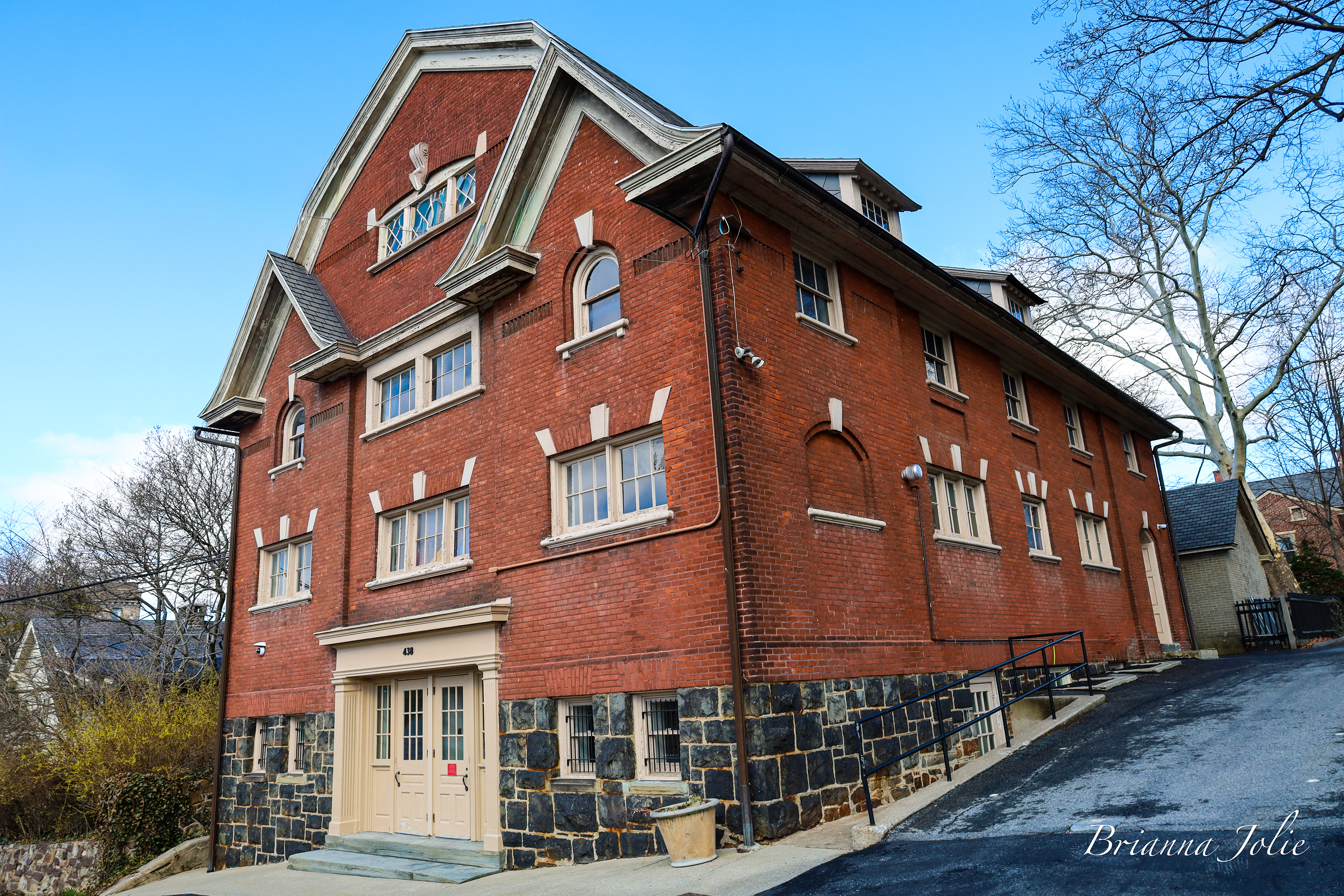
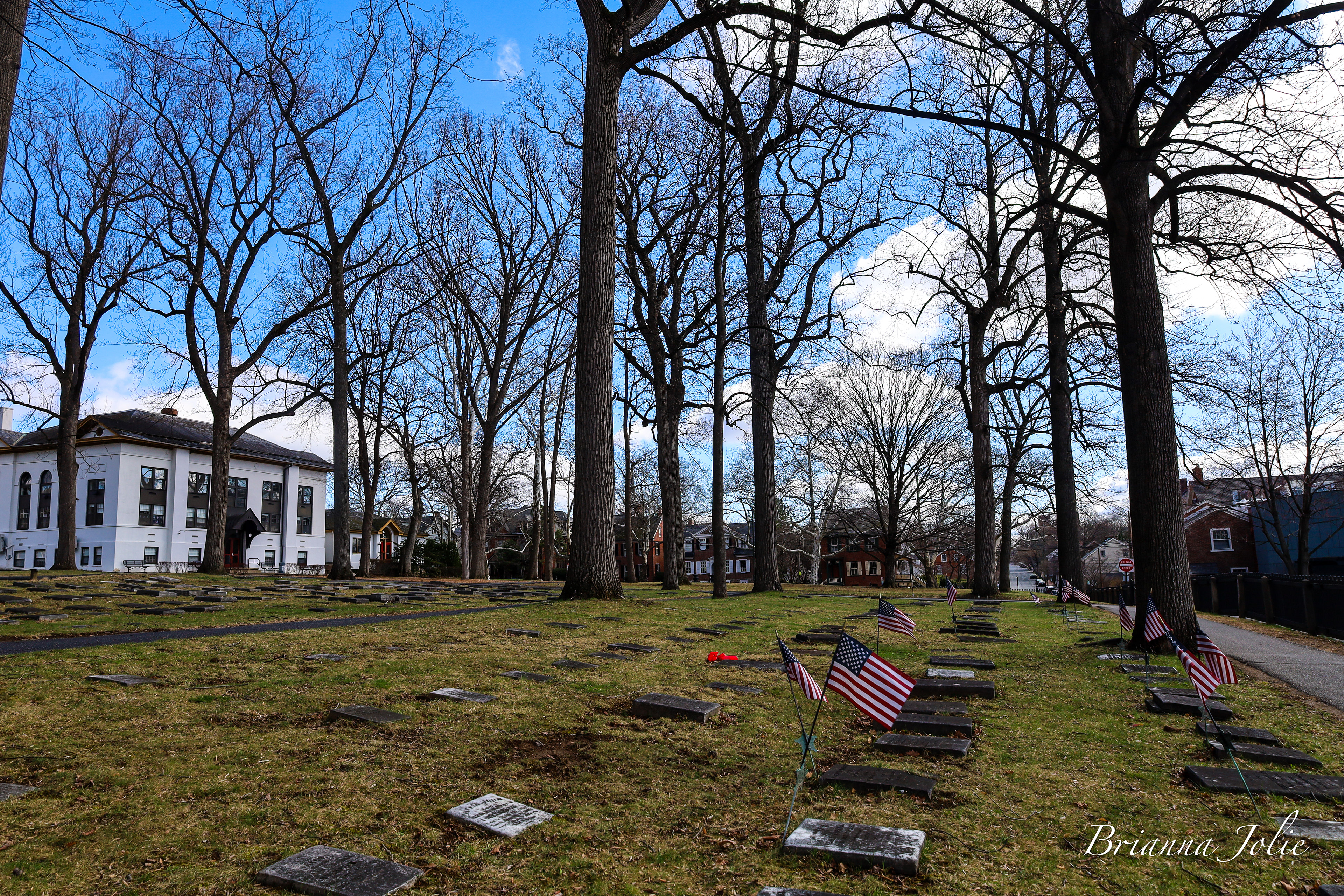
Prior to European settlements, the areas around present-day Bethlehem and its surrounding locales along the Delaware River and its tributaries in eastern Pennsylvania were inhabited by various indigenous peoples, including the Algonquian-speaking Lenape, which had three main divisions, known by the dialects, the Unami, Unalachtigo, and Munsee. They traded with the Dutch and then British colonialists in the Mid-Atlantic region in present-day Connecticut, Delaware, Long Island, Maryland, New Jersey, the lower Hudson Valley in New York, and other regions in Pennsylvania. On April 2, 1741, William Allen, a wealthy Philadelphia merchant and political figure, who later founded the city of Allentown, deeded 500 acres (200 ha) along the banks of the Monocacy Creek and Lehigh River to the Moravian Church.[10] On Christmas Eve of that year, David Nitschmann and Nicolaus Zinzendorf, leading a small group of Moravians, founded the mission community of Bethlehem at the confluence of the Monocacy and Lehigh rivers. This group included John Martin Mack, who later became bishop of the Moravians in the Virgin Islands.[11] They established missionary communities among the Native Americans and unchurched German-speaking Christians and named the settlement after the Biblical town Bethlehem of Judea, said to be the birthplace of Jesus. "Count Zinzendorf said, 'Brothers, how more fittingly could we call our new home than to name it in honor of the spot where the event we now commemorate took place. We will call this place Bethlehem.' And so was Bethlehem named after the birthplace of the Man of Peace." Bethlehem was started as a typical Moravian Settlement Congregation, where the Church owned all the property. In the late 1700s, Bethlehem established grist and saw mills, known as Calvin's Mills.[12] The historic Brethren's House, Sisters' House, Widows' House, and Congregation House, with the Old Chapel, are remnants of this period of communal living.[13] Moravians ministered to the regional Lenape Native Americans through their mission in the area, and to others further east in the New York colony. In historic Bethlehem's God's Acre cemetery, converted Lenape were buried alongside Moravians. In 1762, Bethlehem built the first waterworks in America to pump water for public use. In the autumn of 1777, during the American Revolutionary War, many patriots fled from Philadelphia to Bethlehem and the surrounding area as the British Army advanced from the east. The Marquis de Lafayette recovered from an injury received at the Battle of Brandywine in Bethlehem, and several of the most prominent members of the Continental Congress fled north to Bethlehem before the congress eventually reconvened in Lancaster. Before, during, and after the American Revolution, Bethlehem was visited by George Washington and his wife Martha, John Adams, Samuel Adams, Benjamin Franklin, Alexander Hamilton, John Hancock, and the Marquis de Lafayette. On September 22, 1777, records show, 14 of the 56 delegates to the Second Continental Congress signed the Moravian Sun Inn register in Bethlehem and stayed there overnight.[14][15] George Washington stored his personal effects at the James Burnside farm at 1461 Schoenersville Road in Bethlehem. As of 1998, the farm is operated as a historical museum known as James Burnside Plantation.[16]