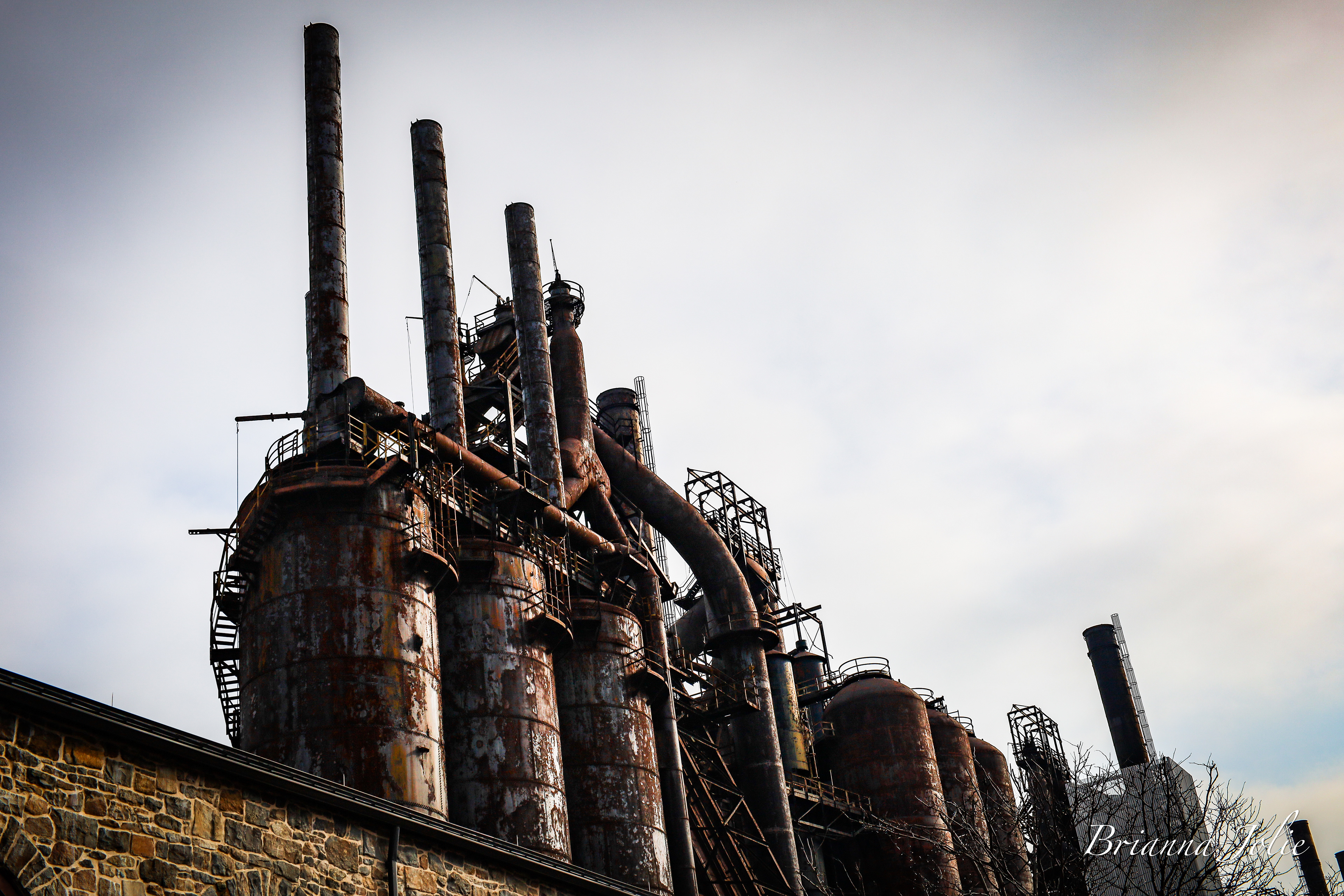
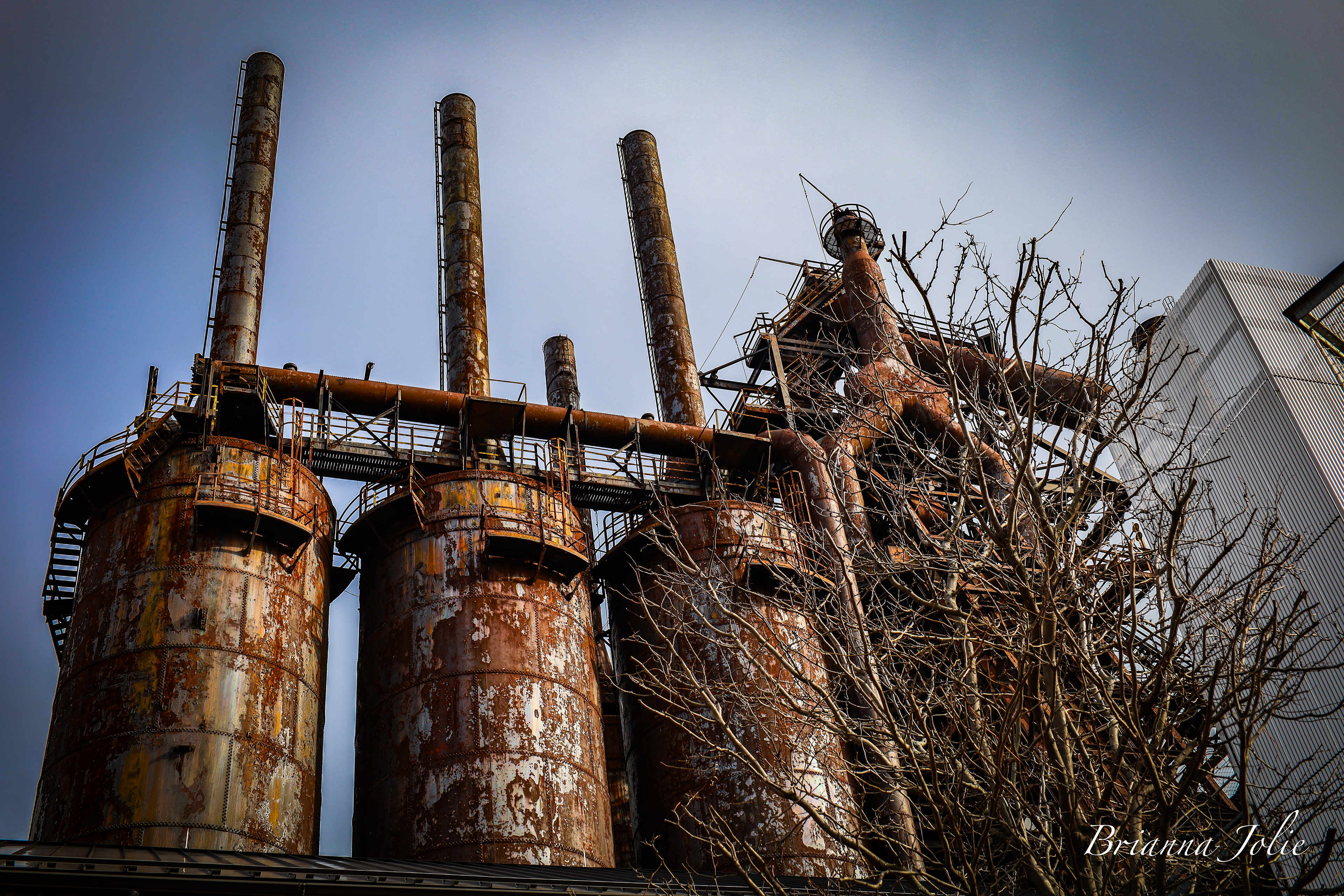

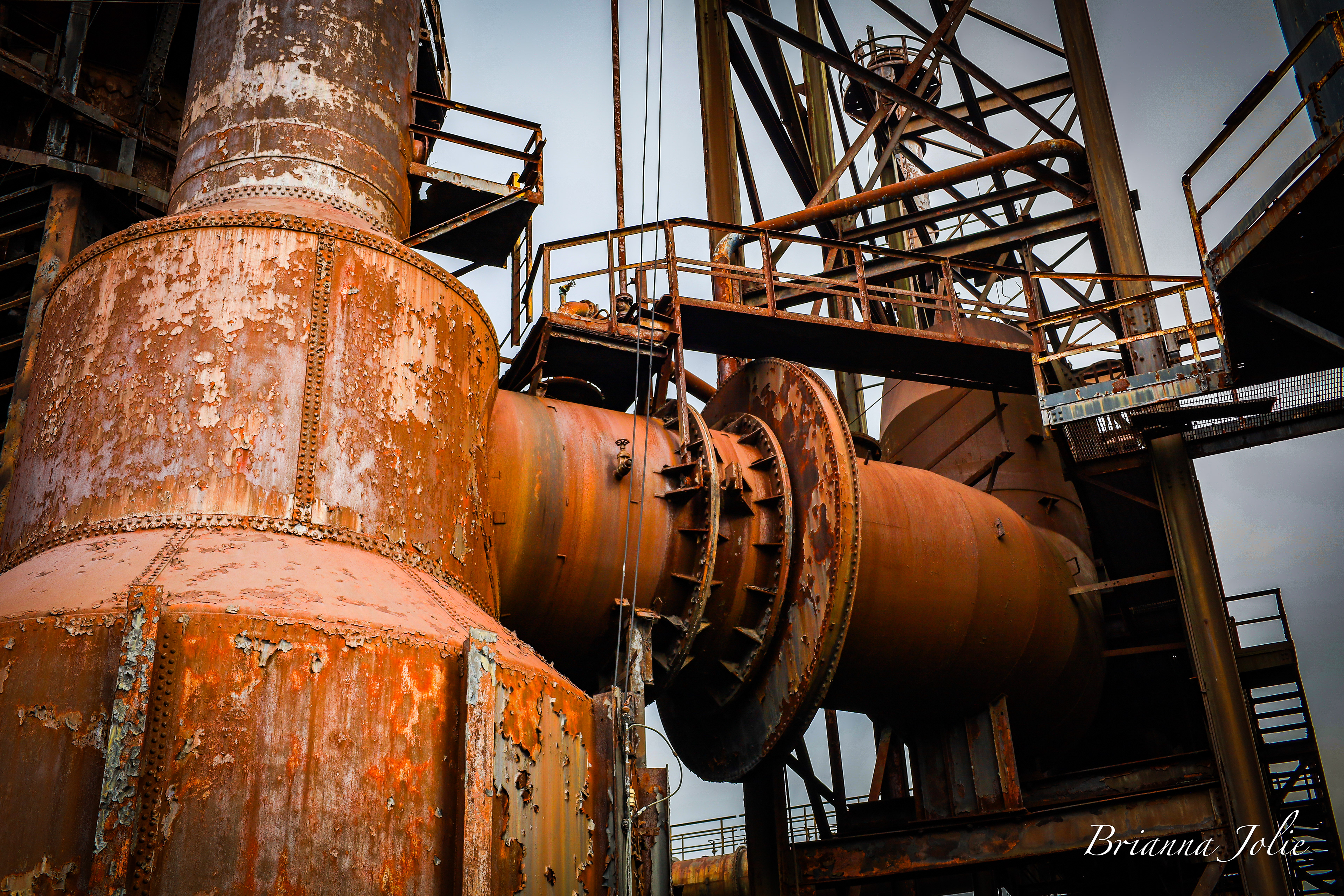

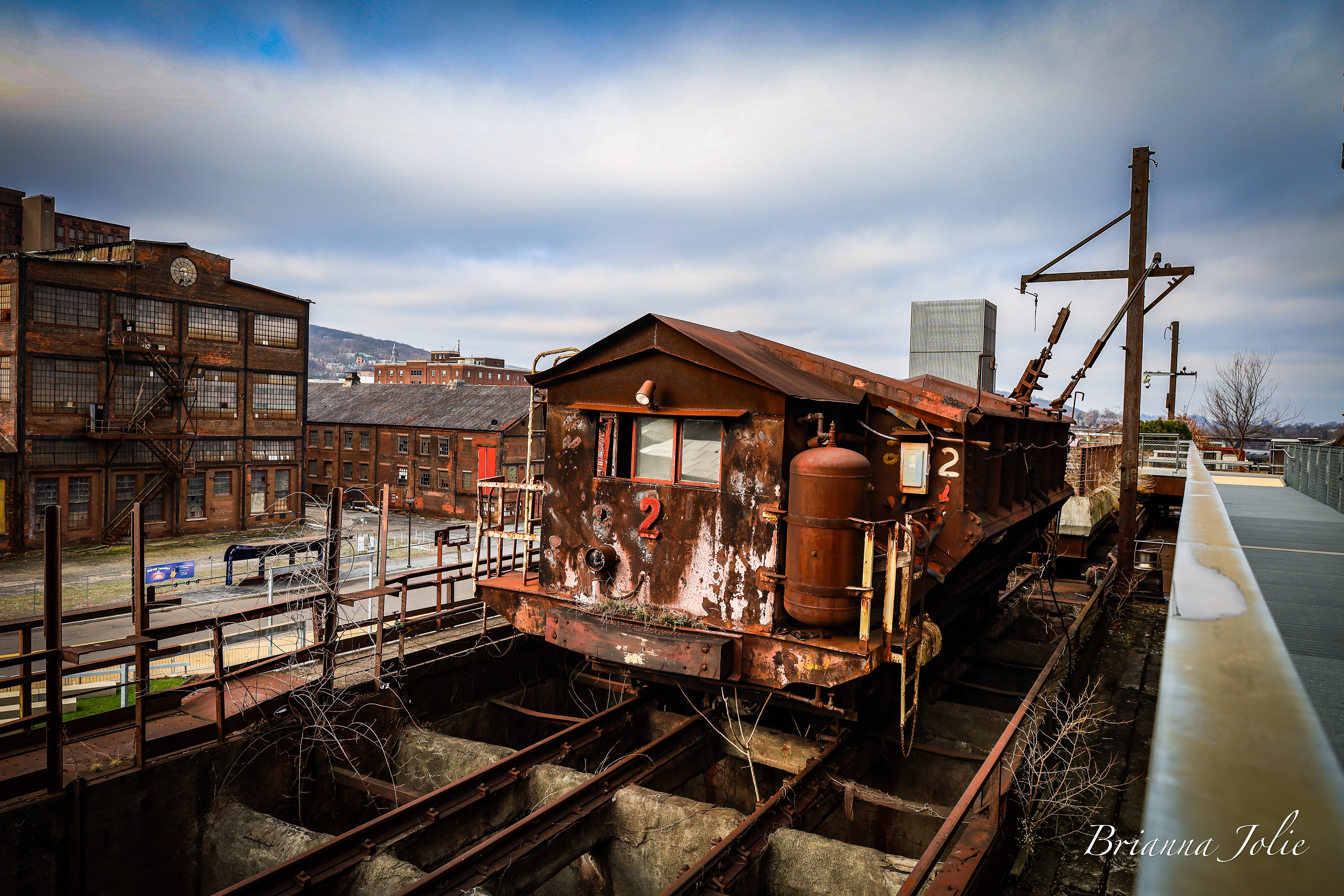
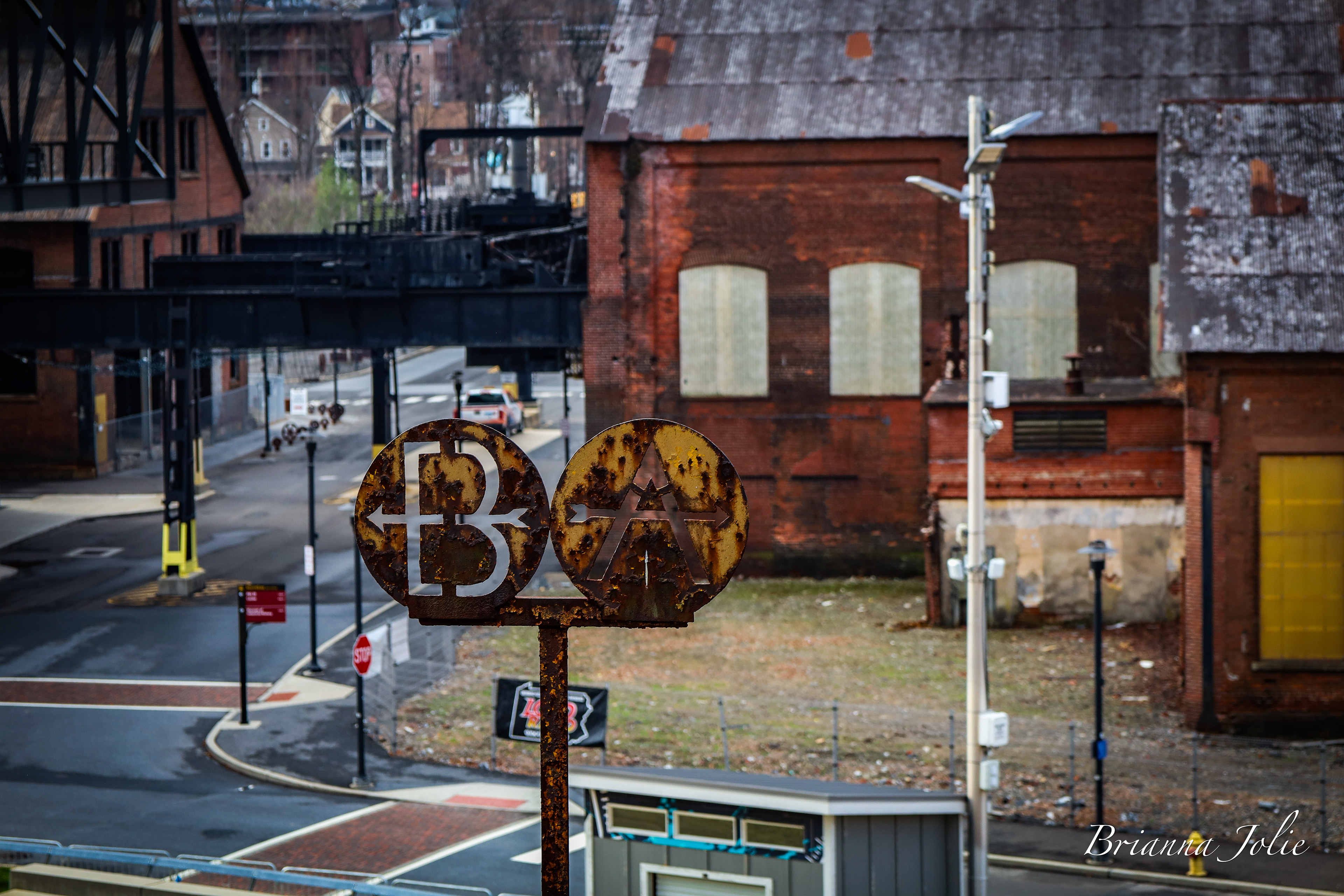

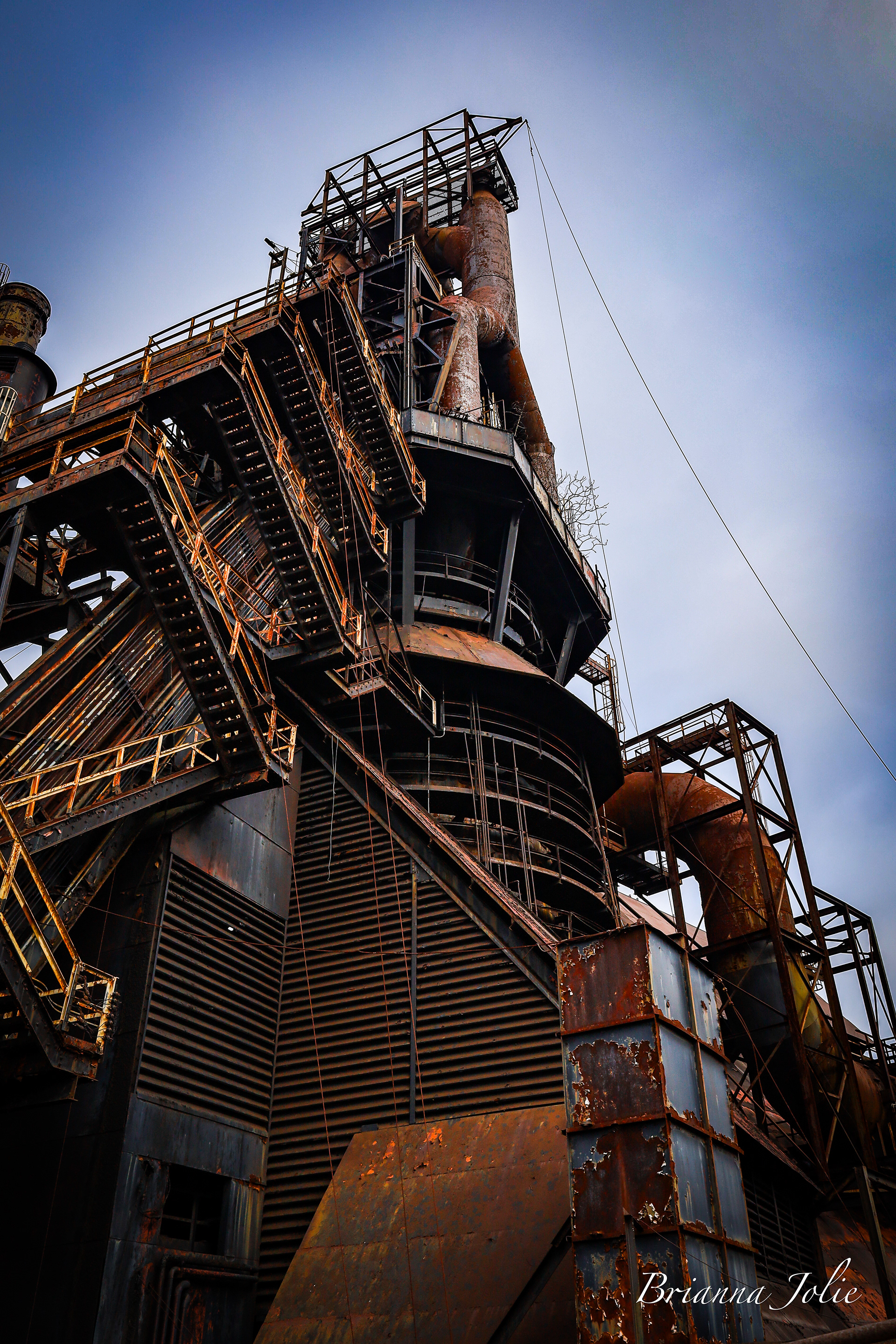
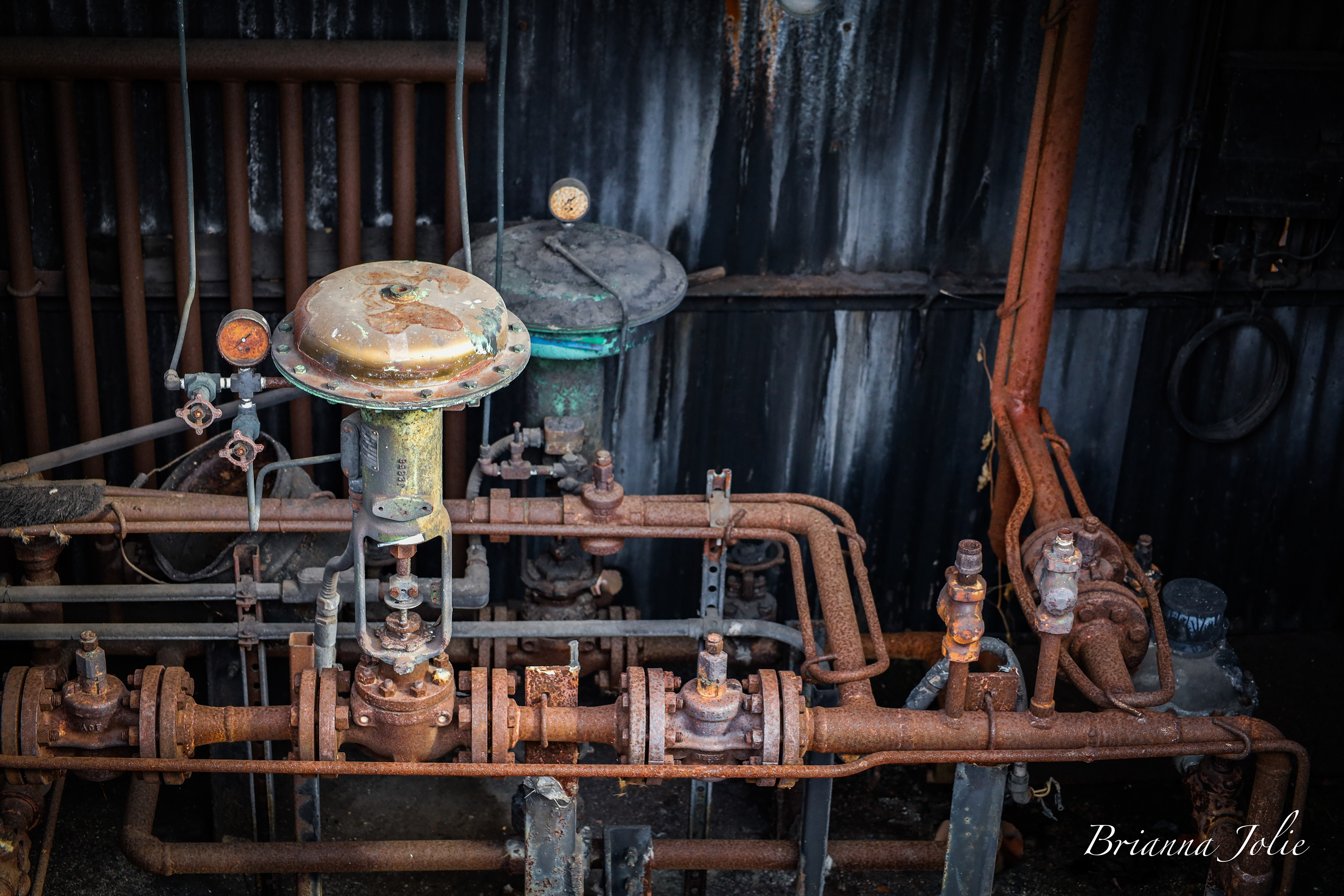
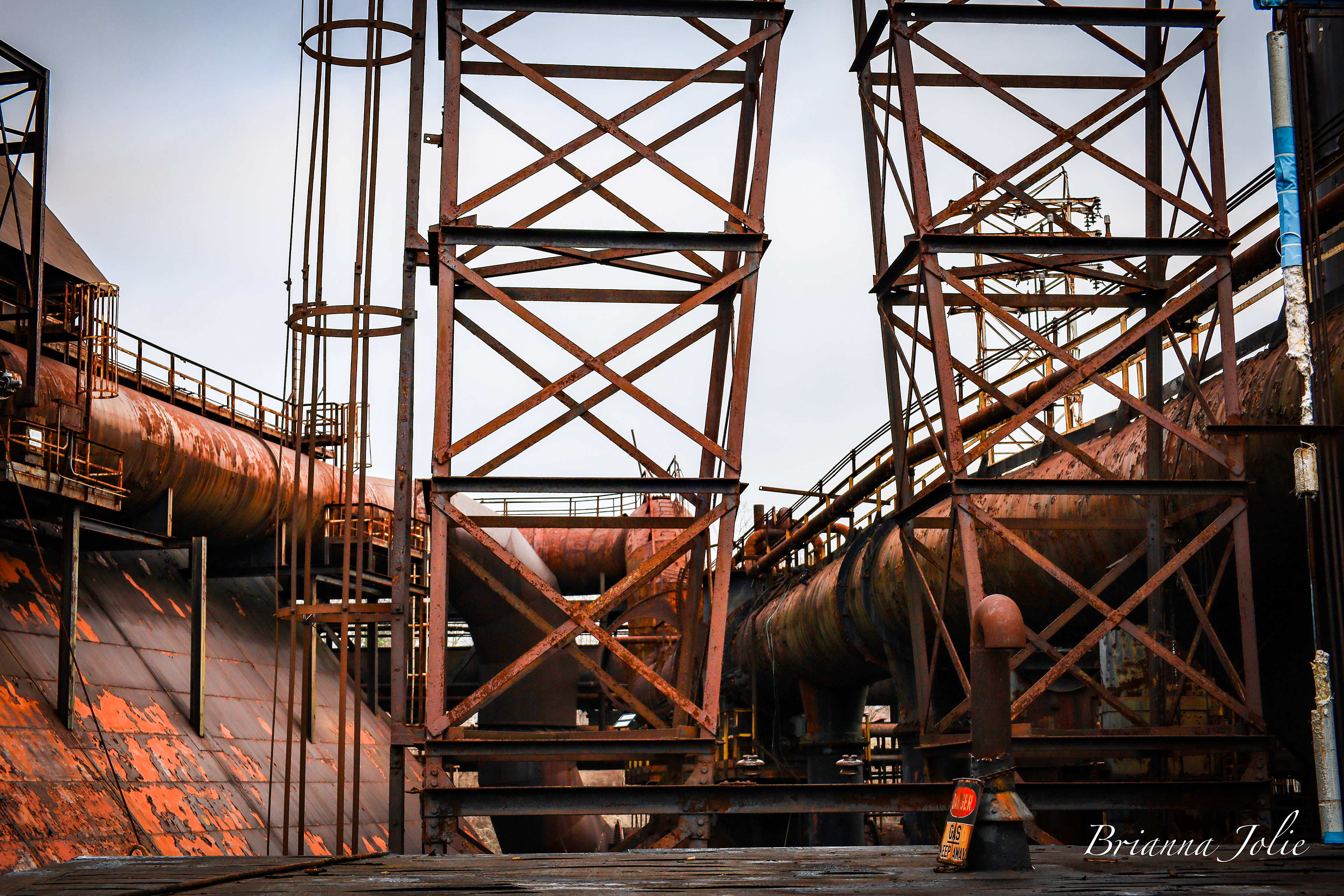
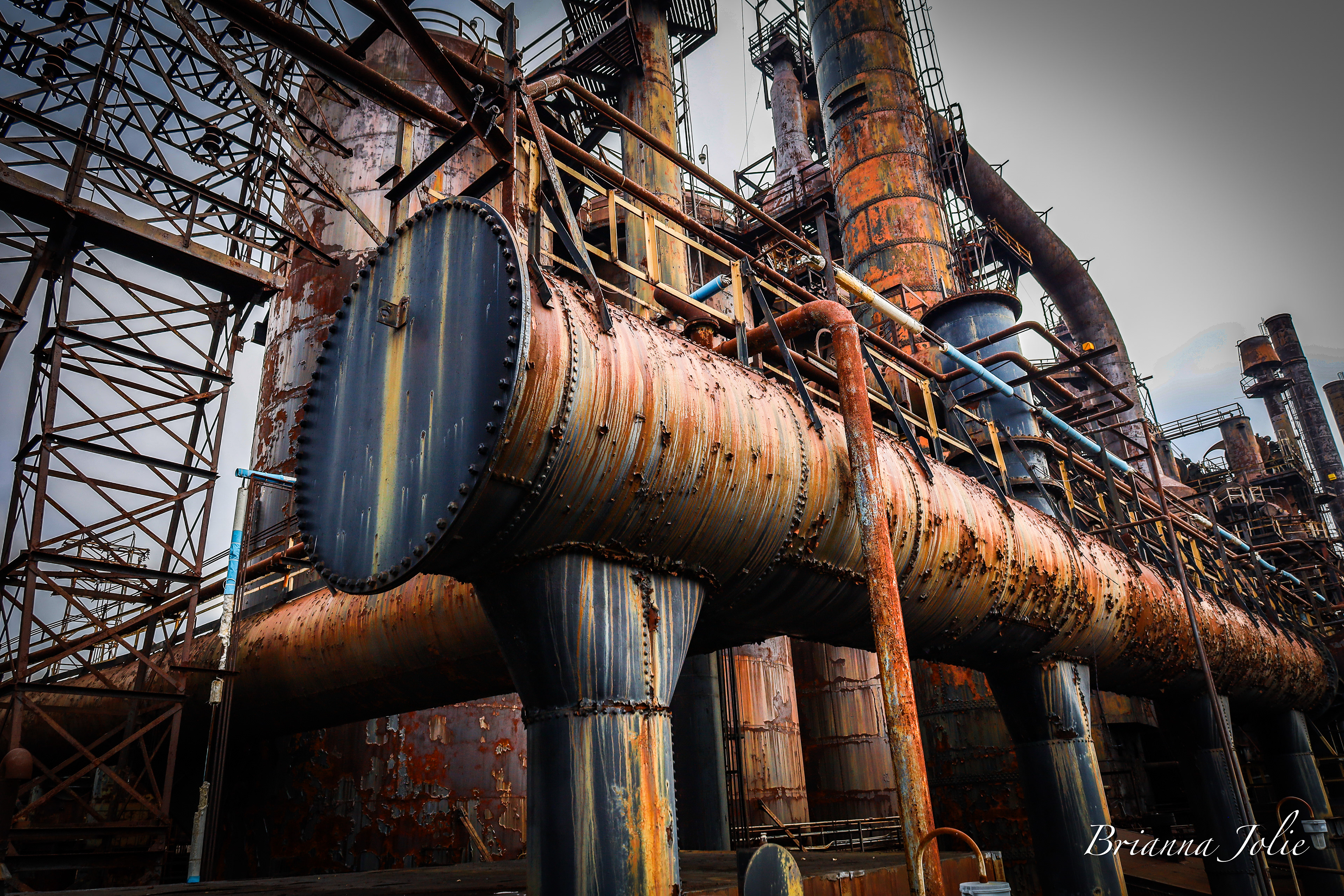
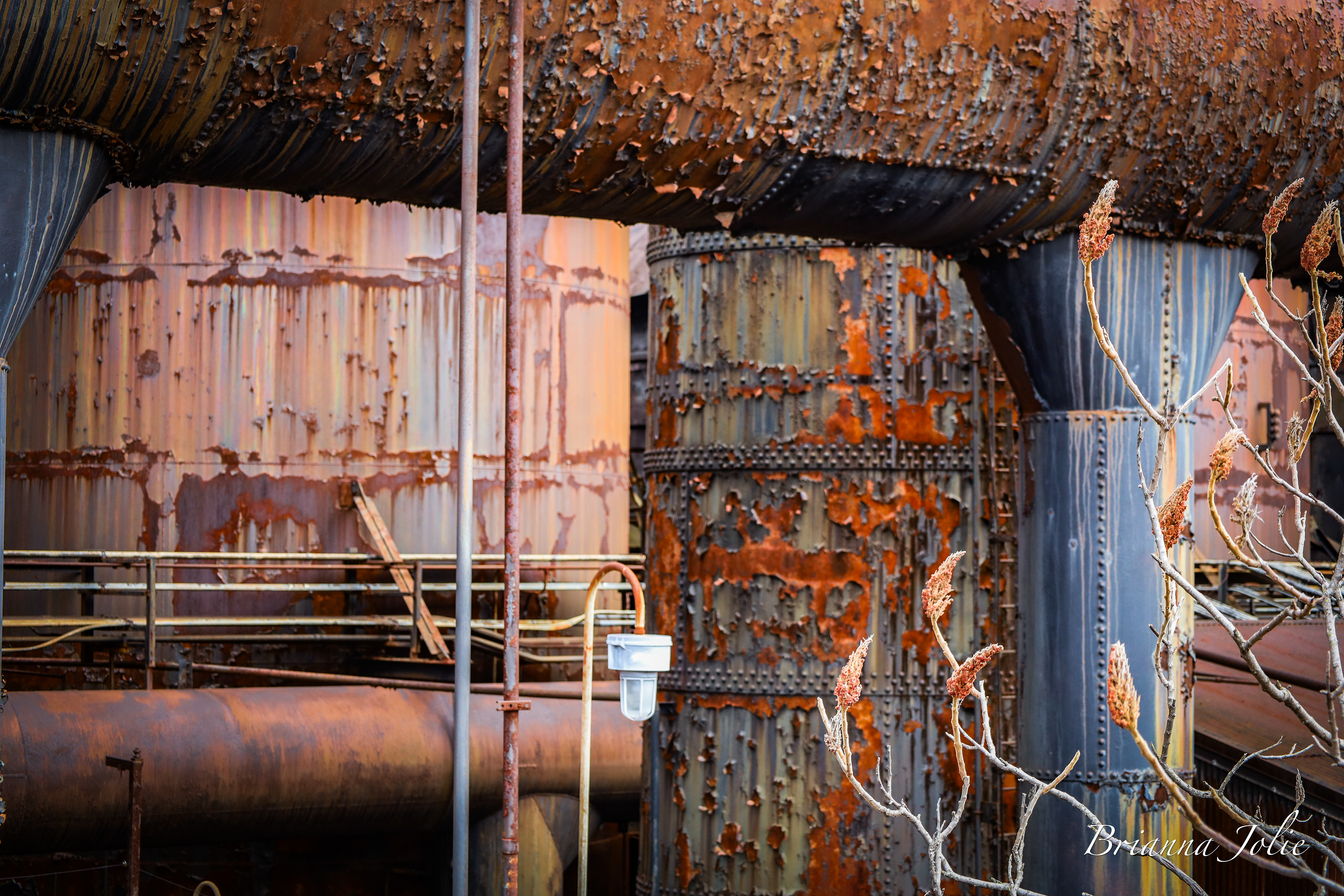

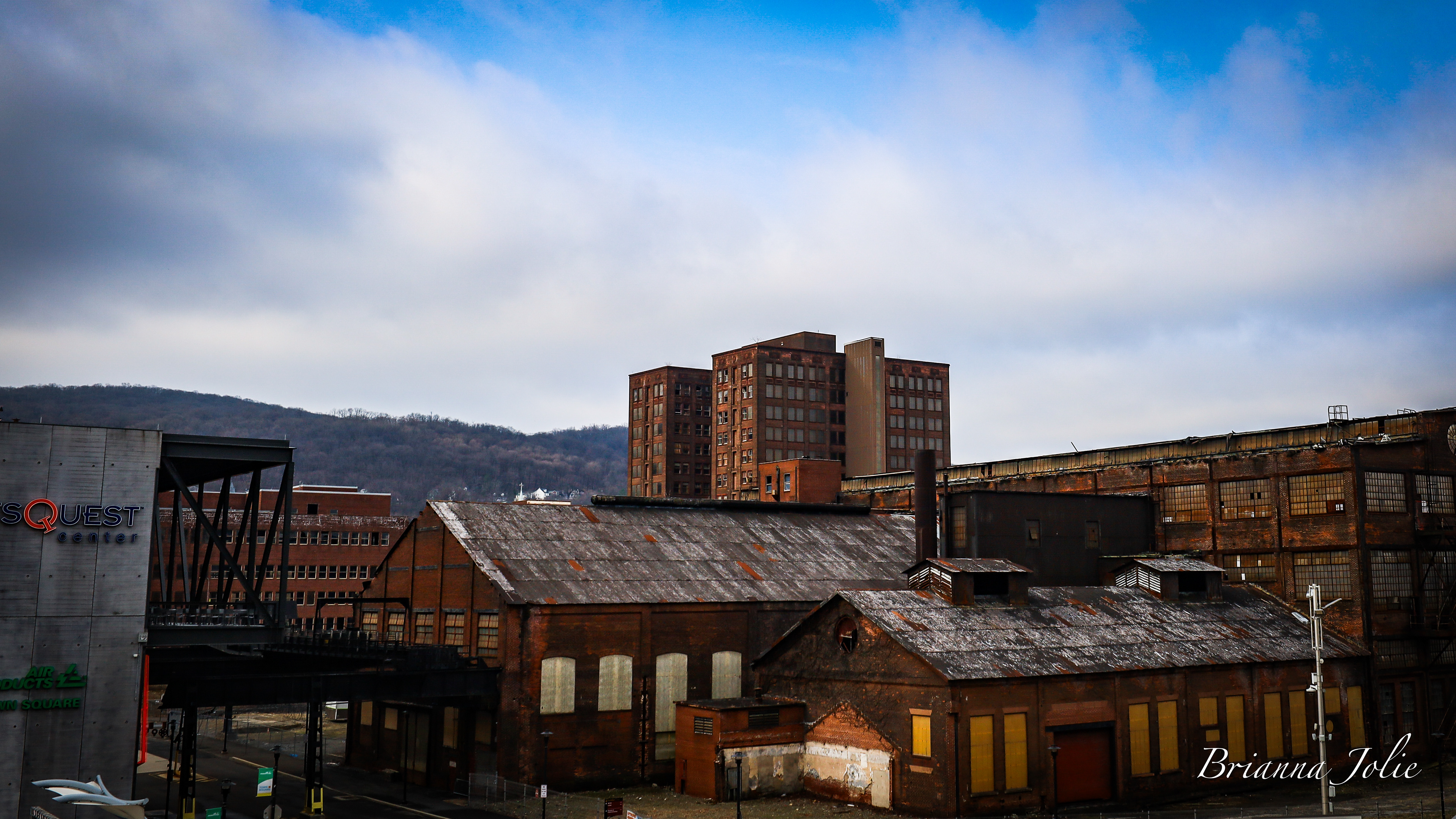
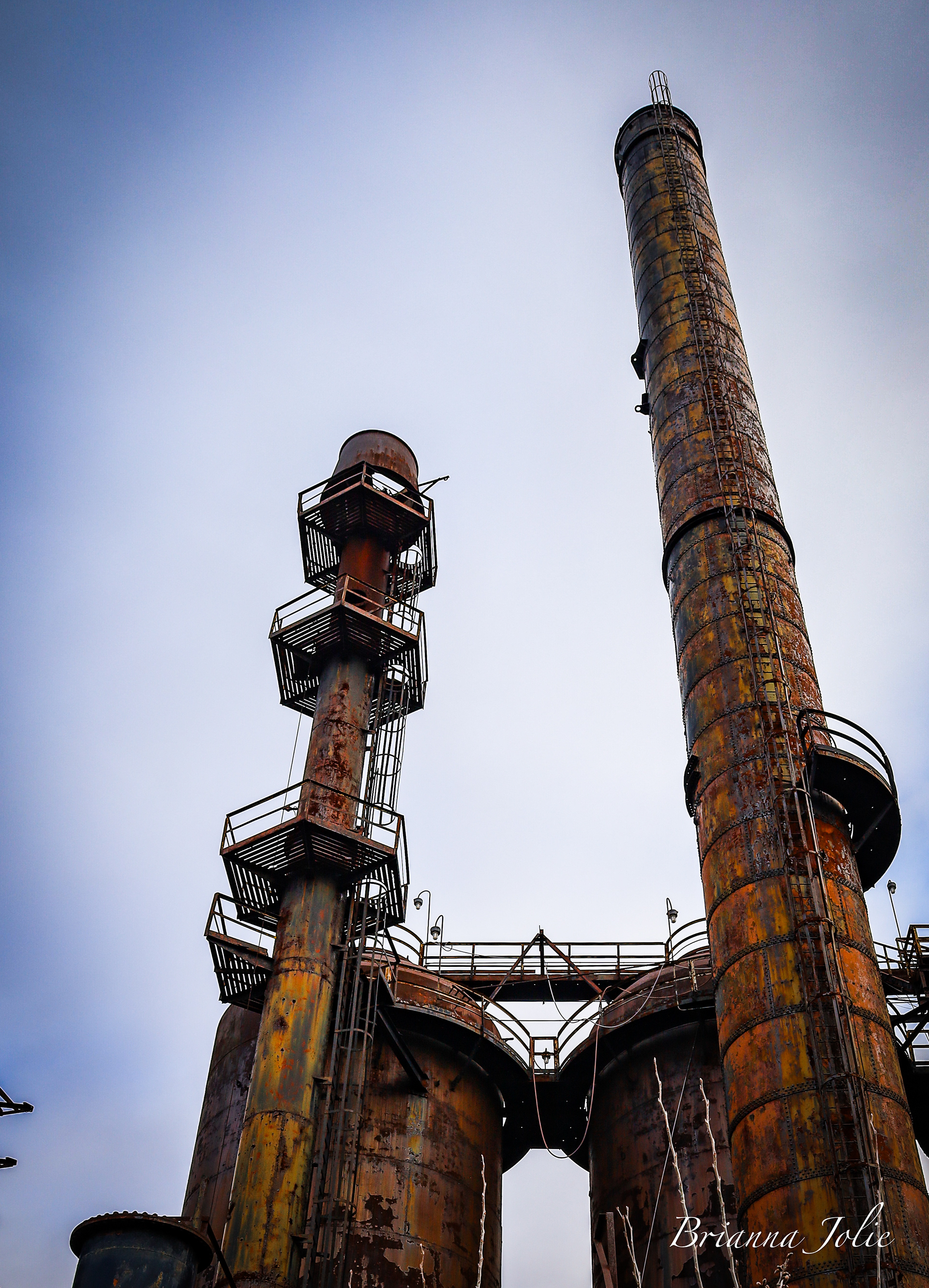
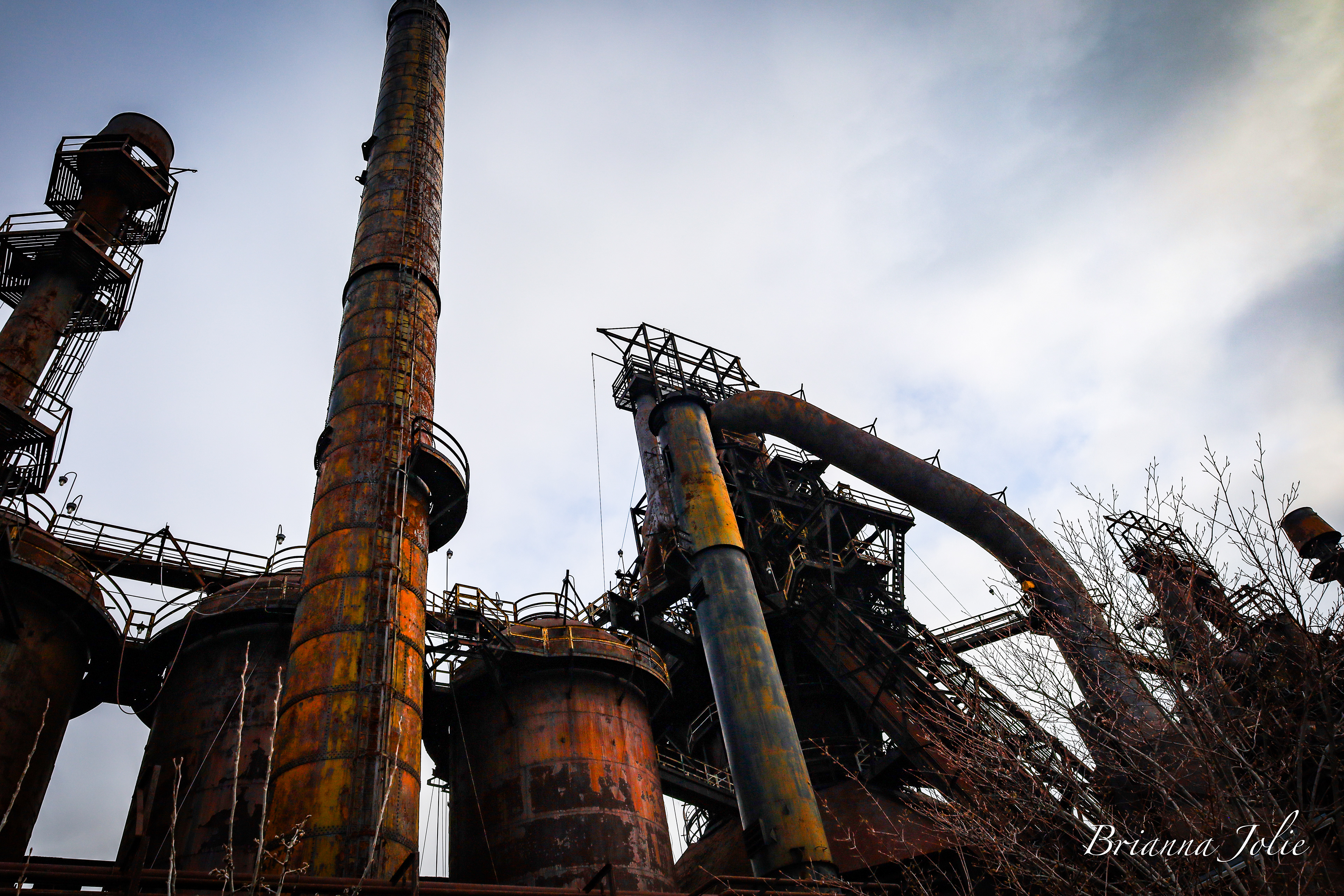
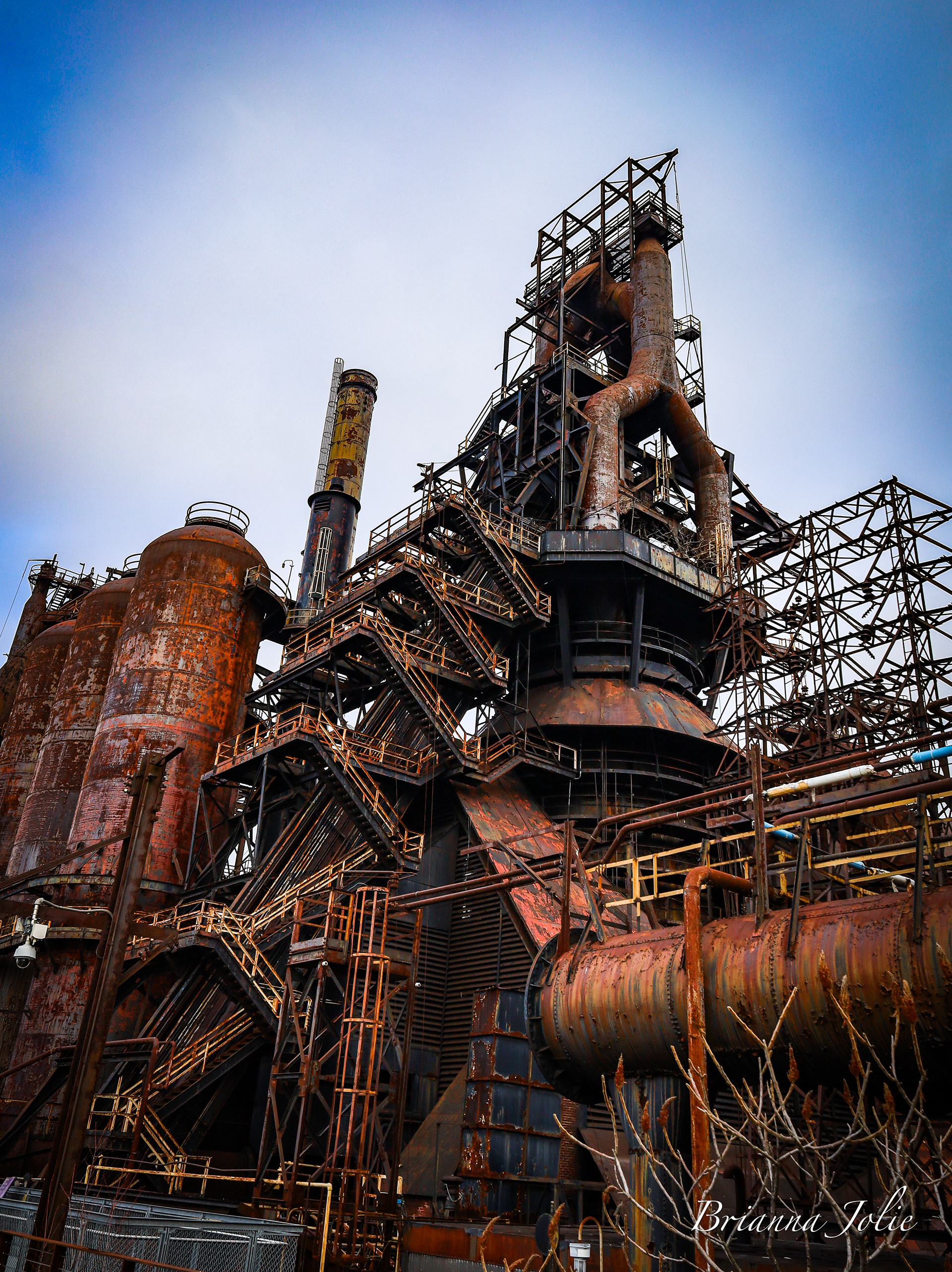

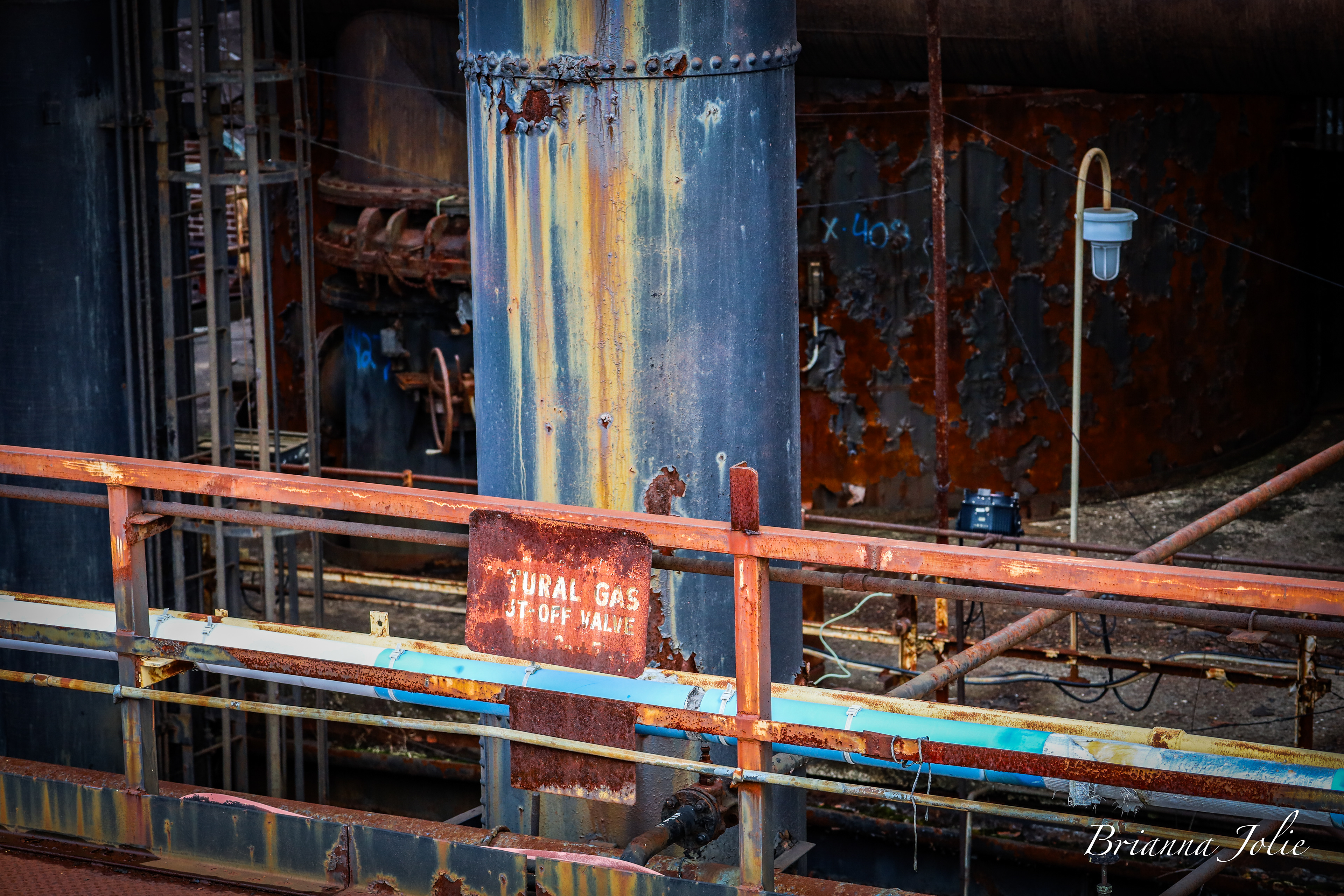

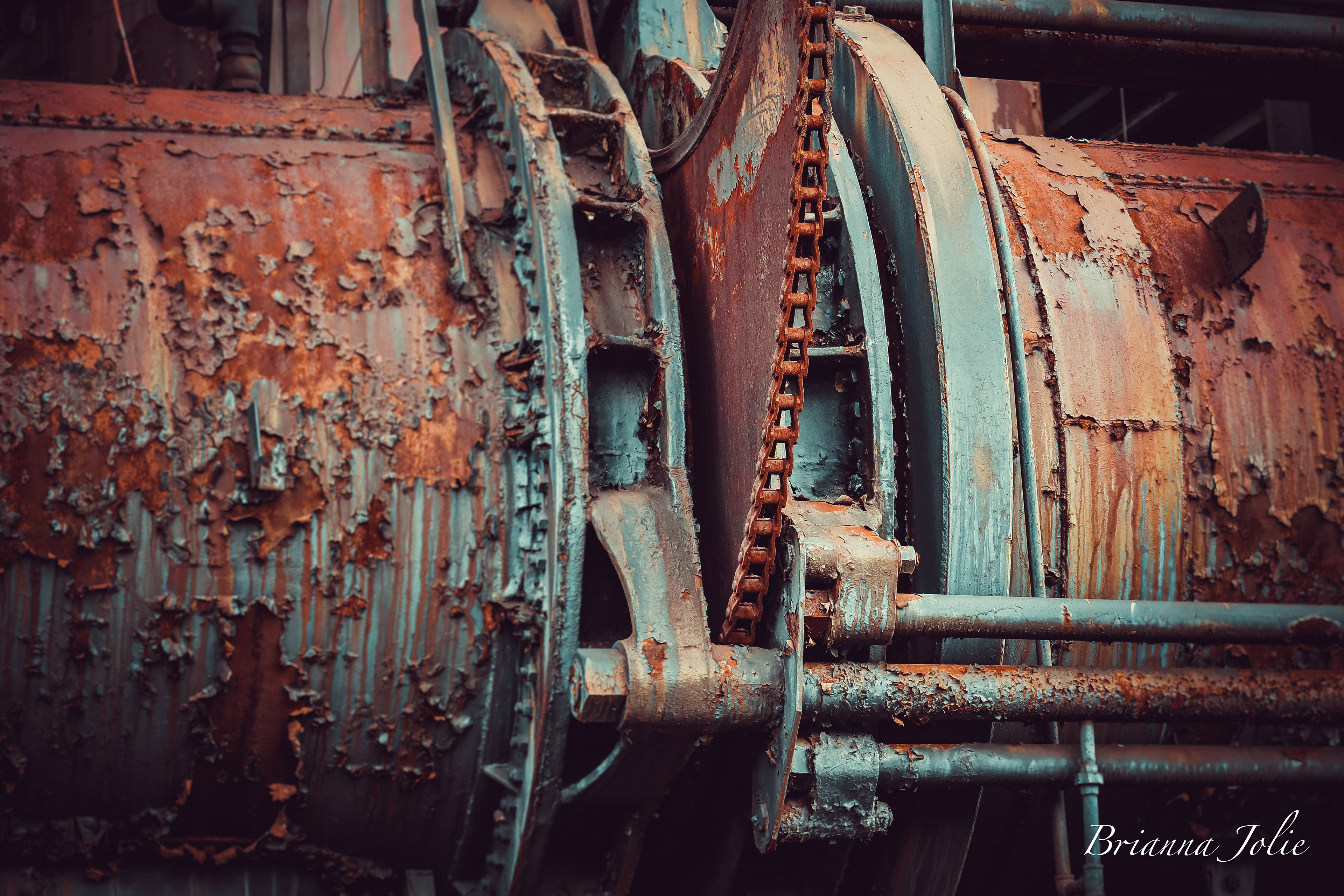
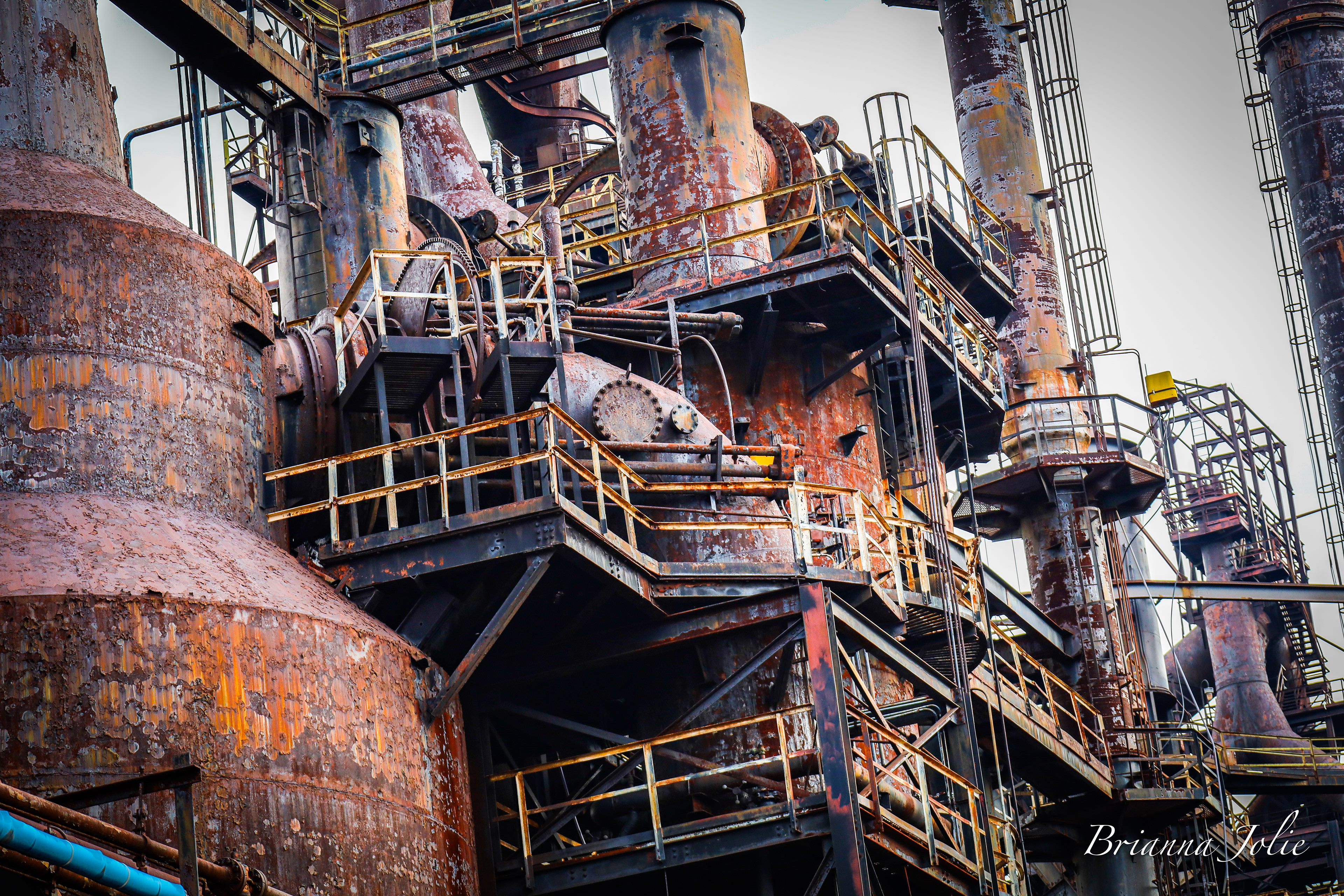
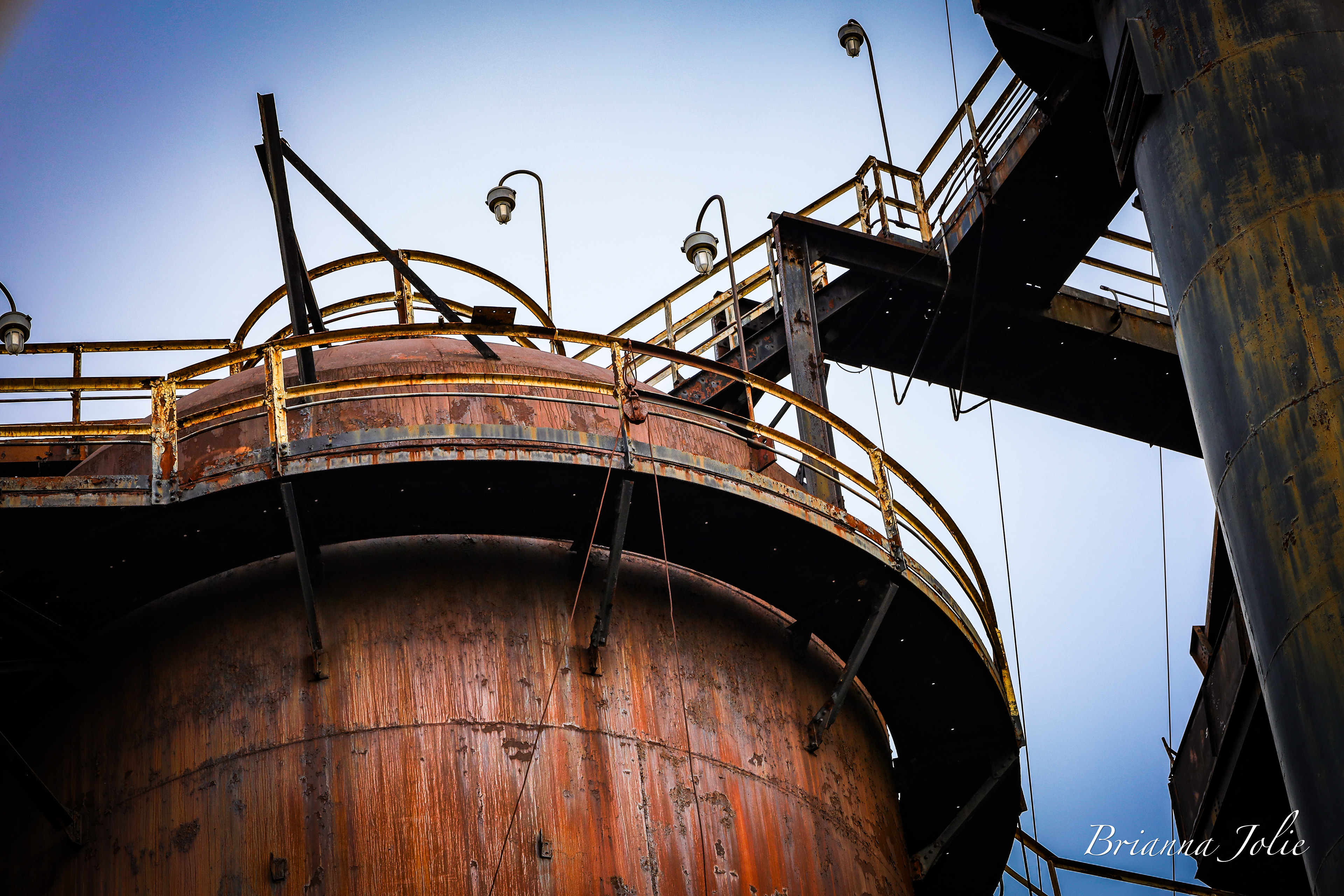
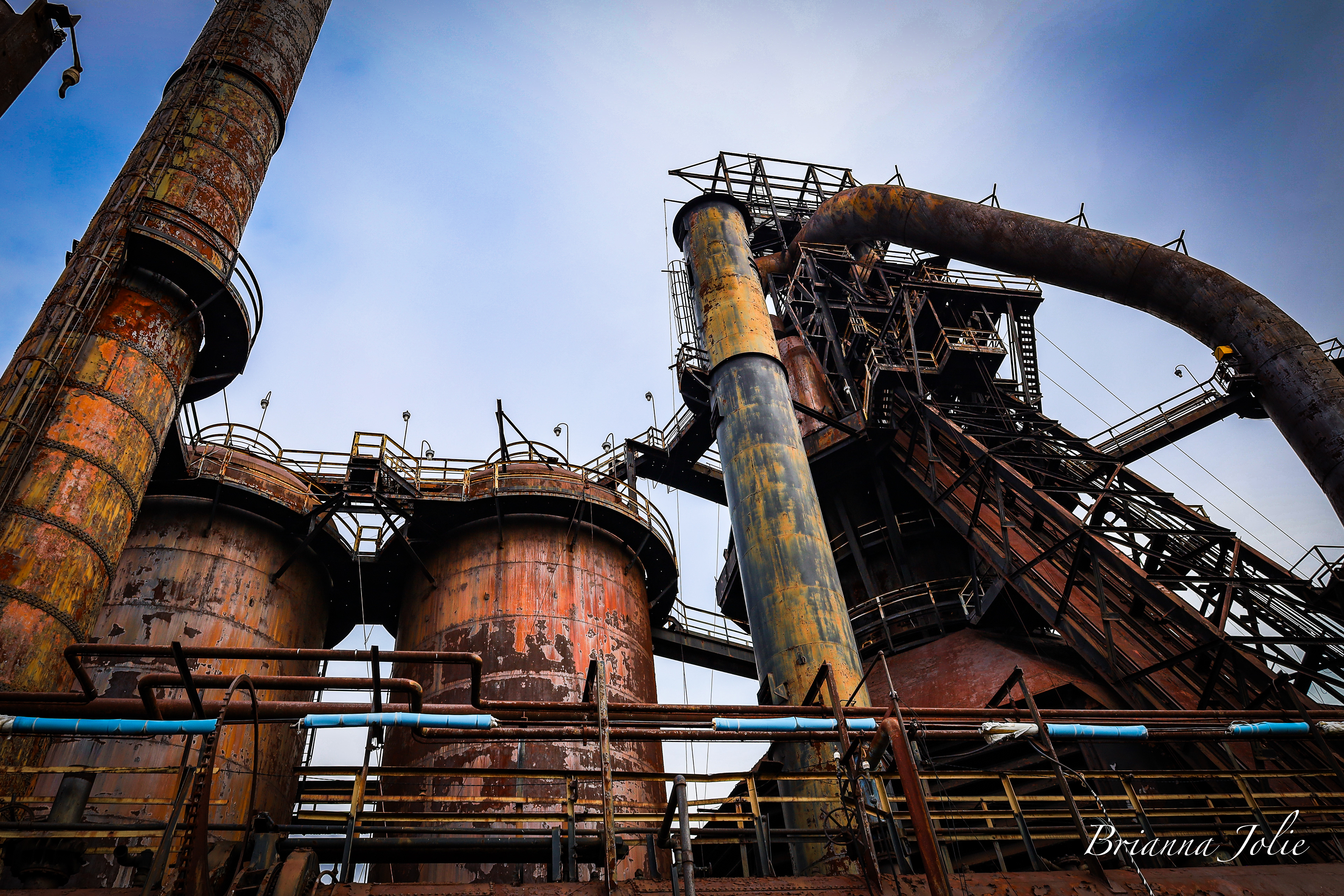

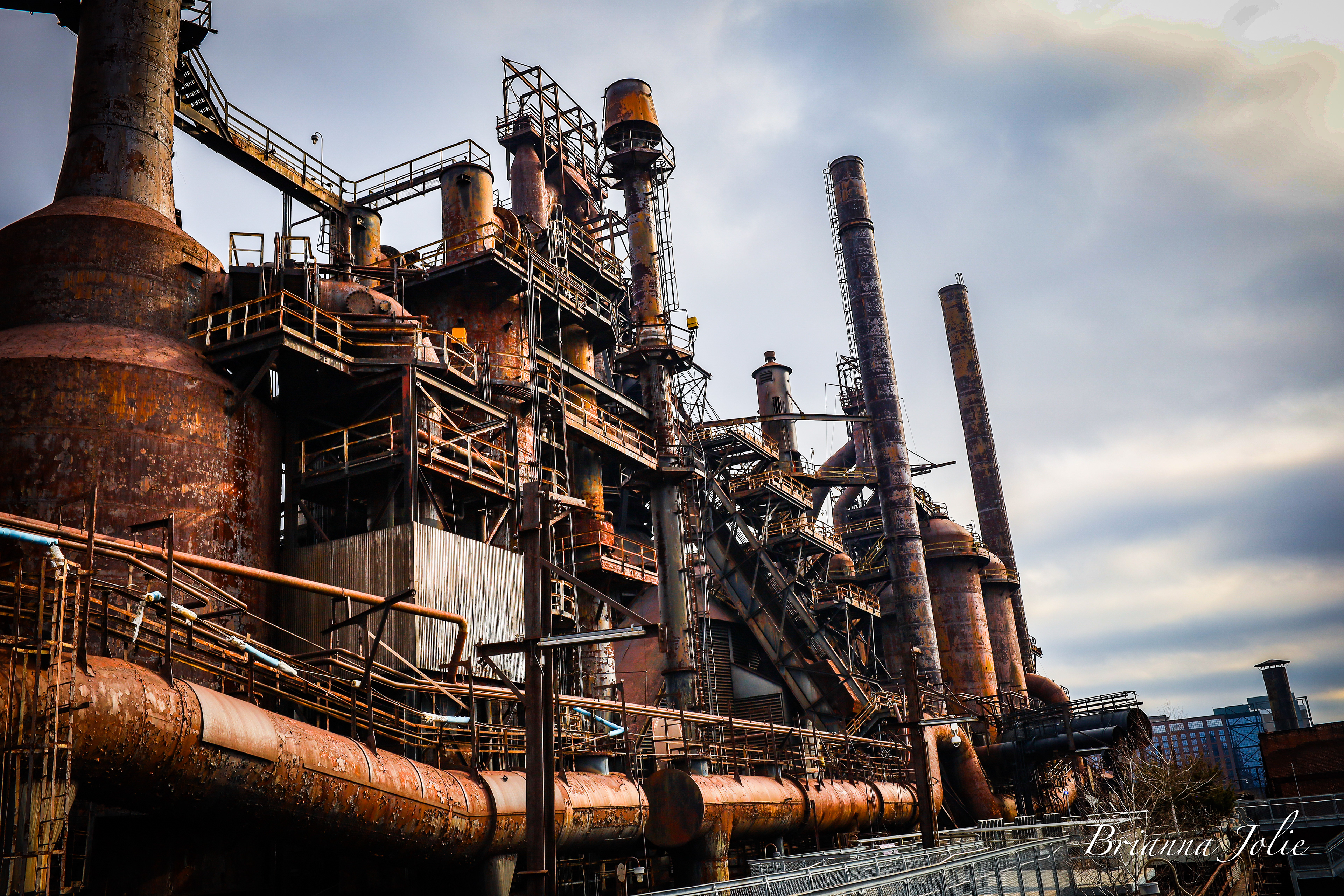

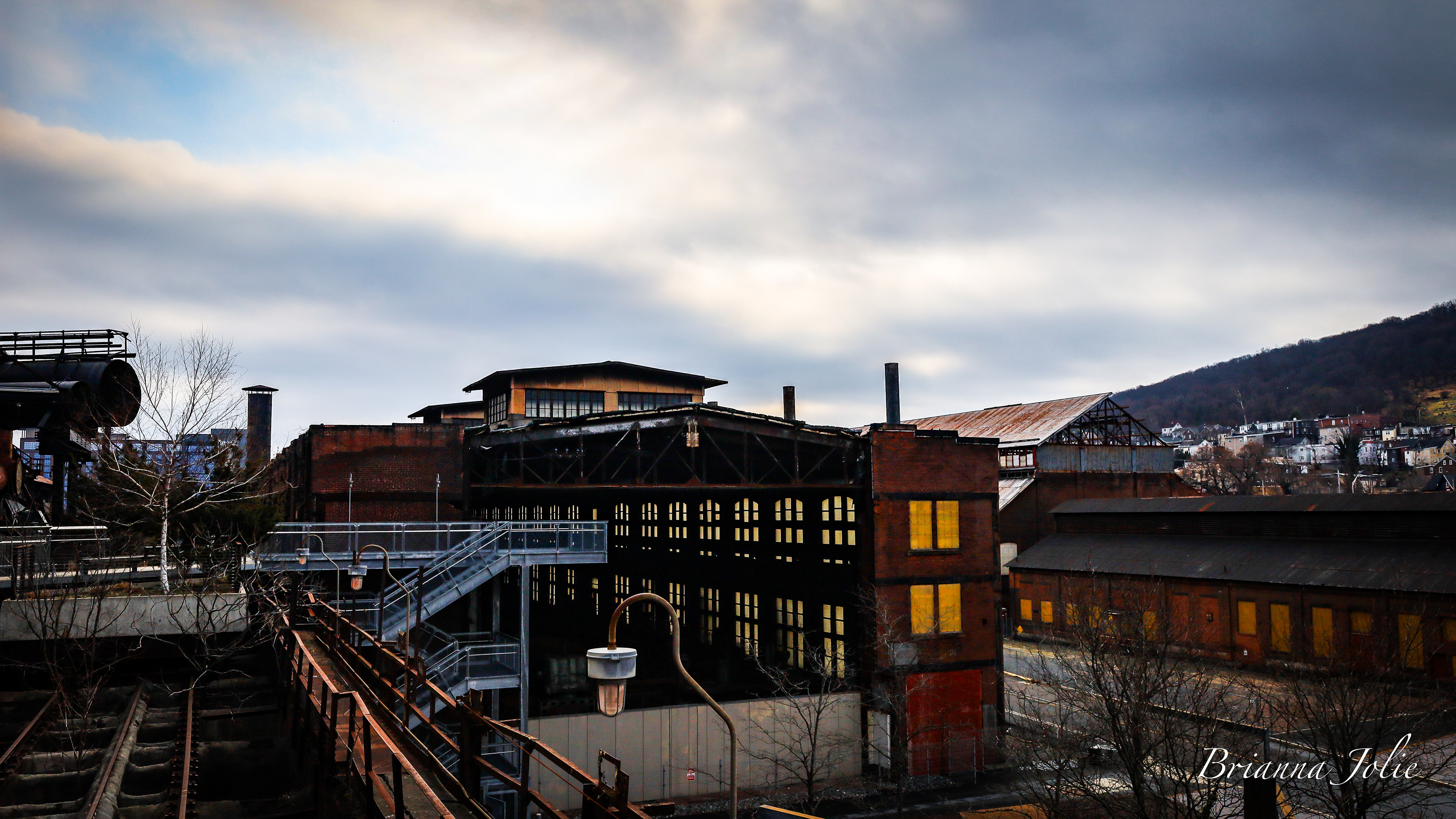
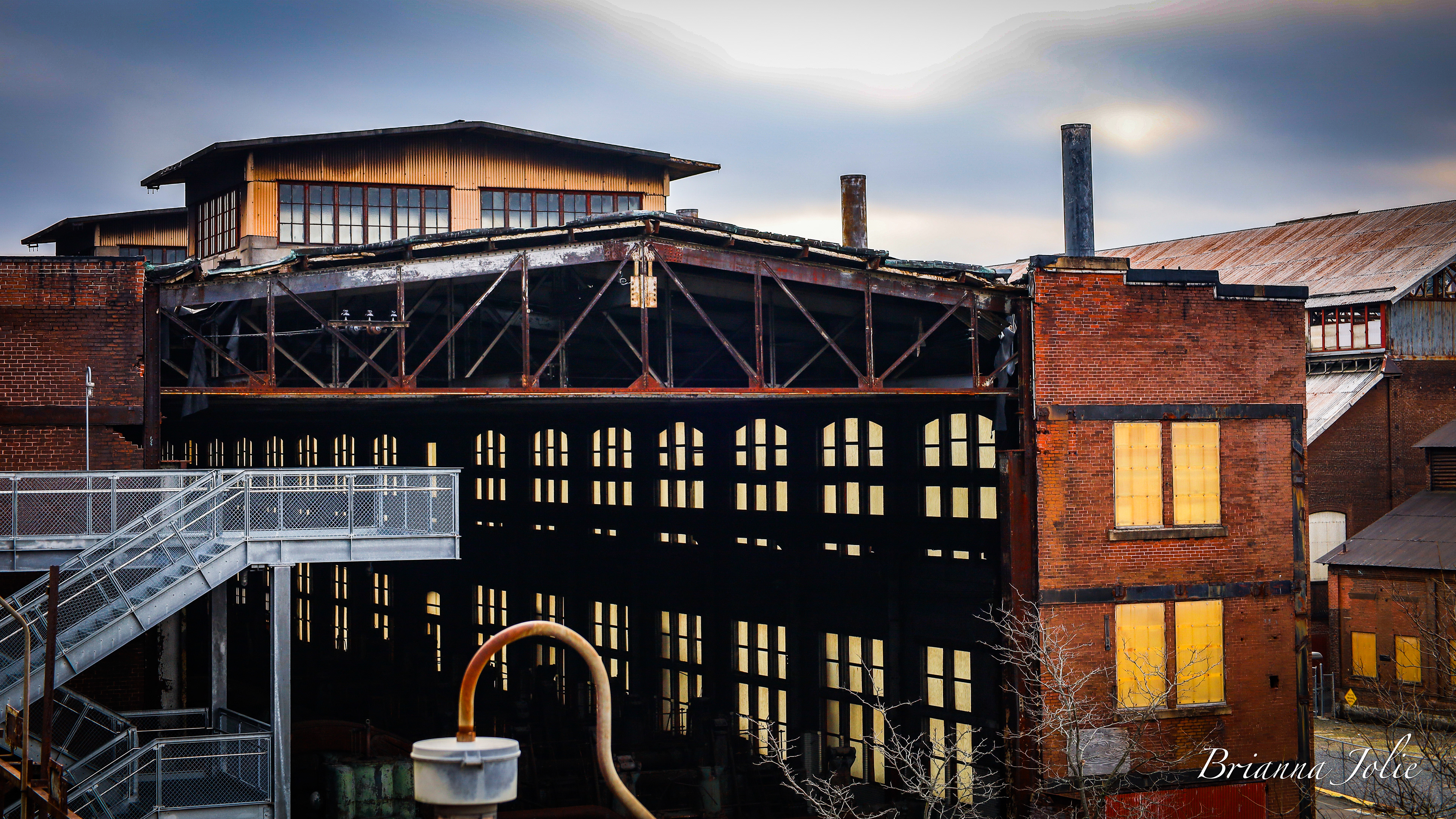
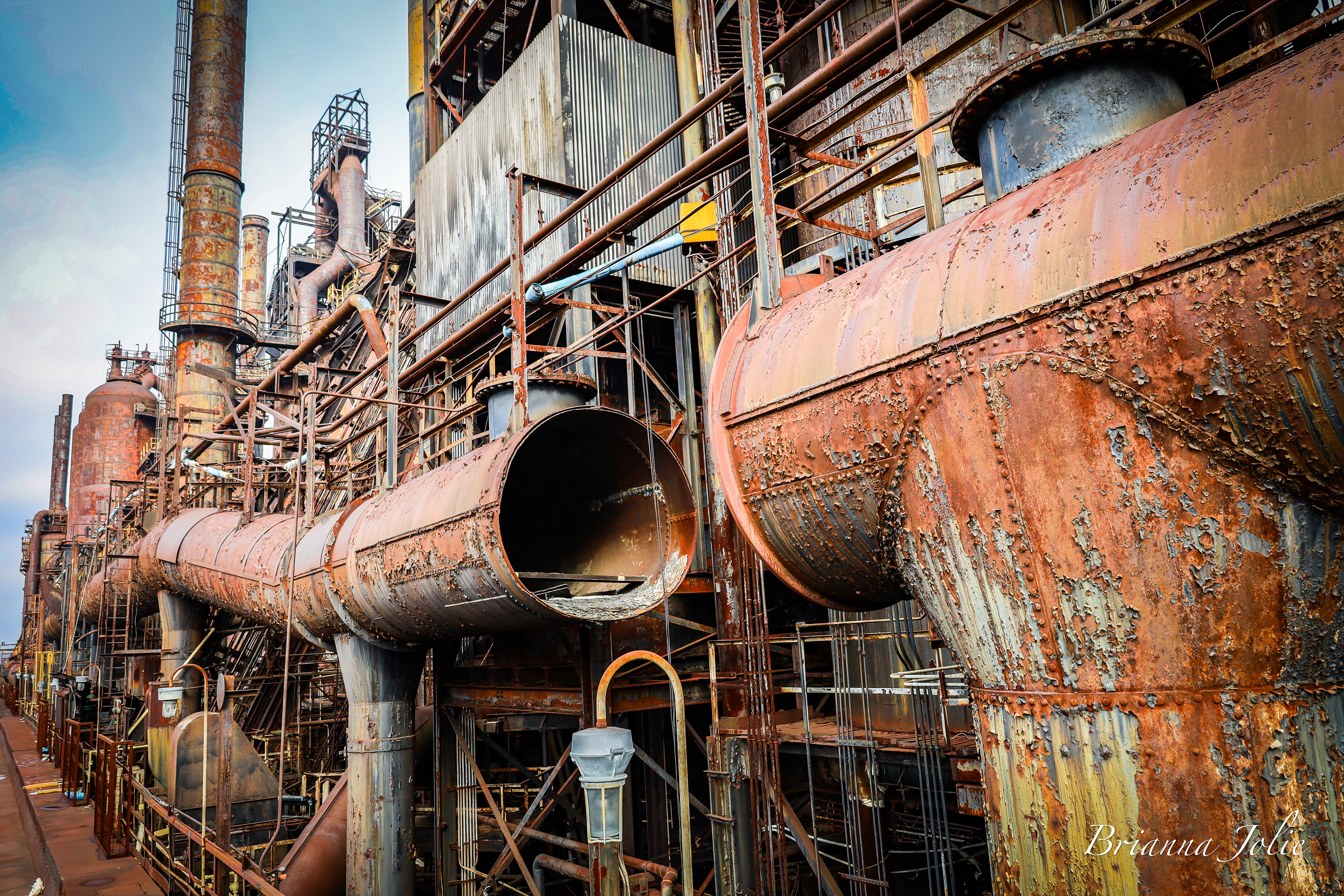
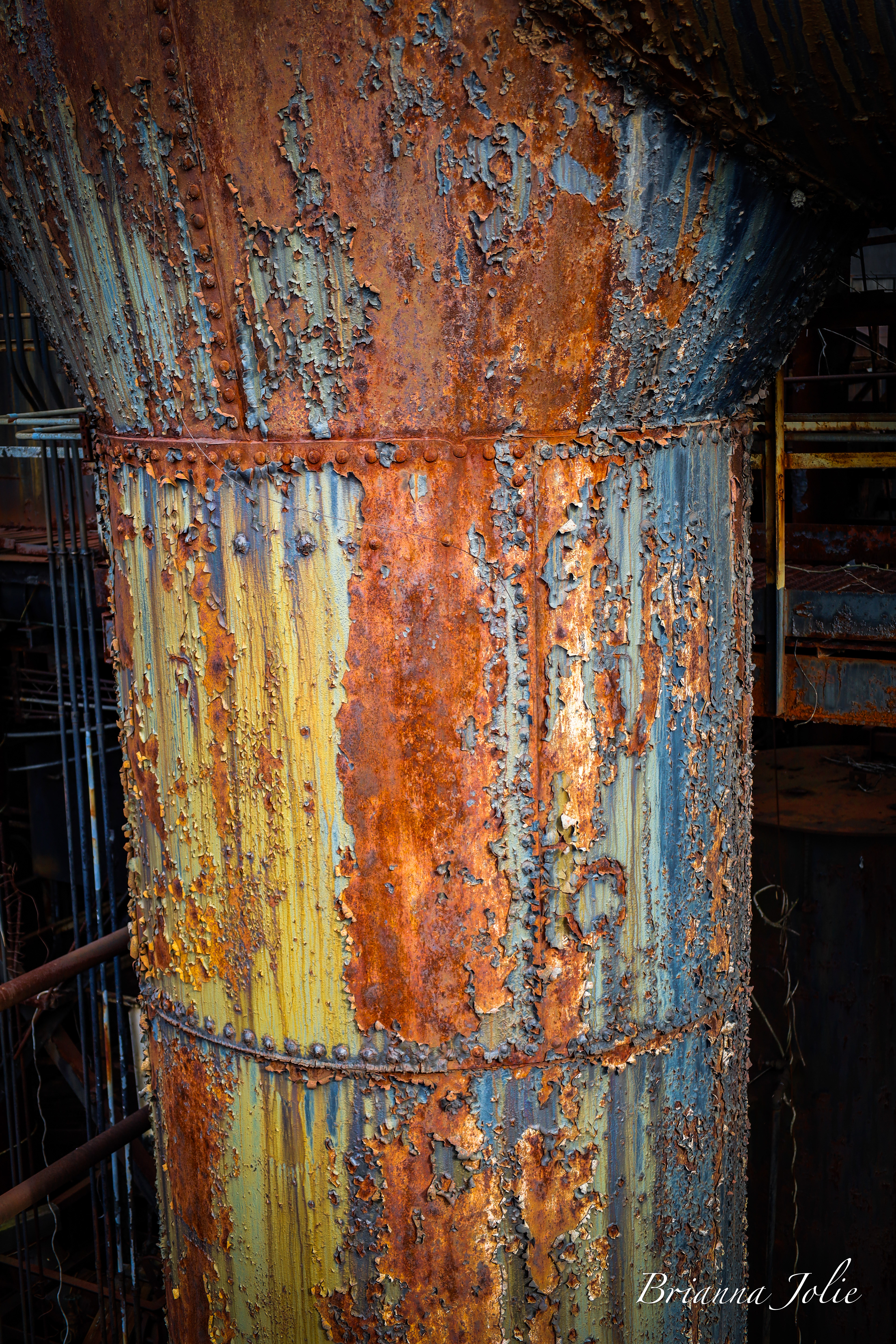
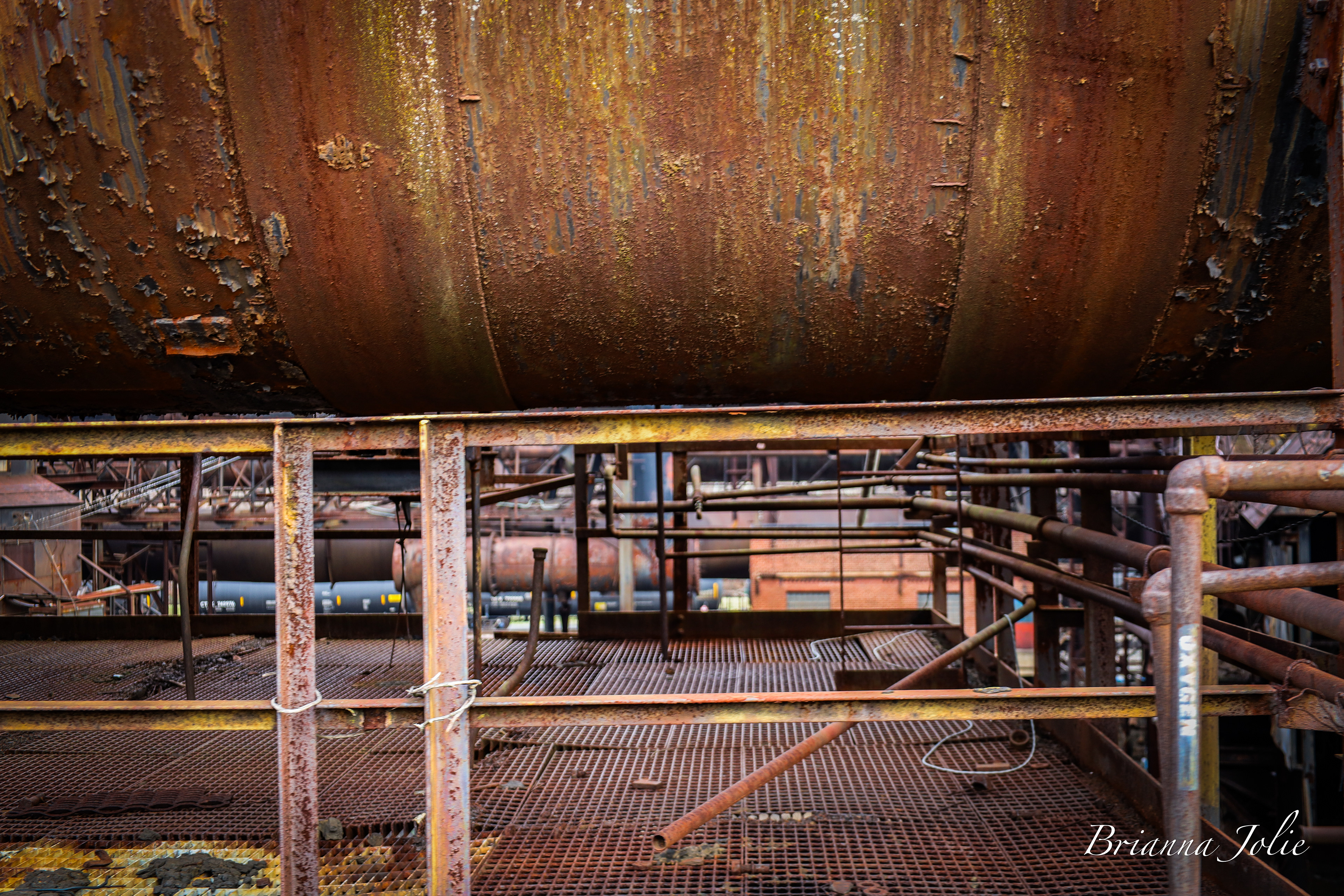

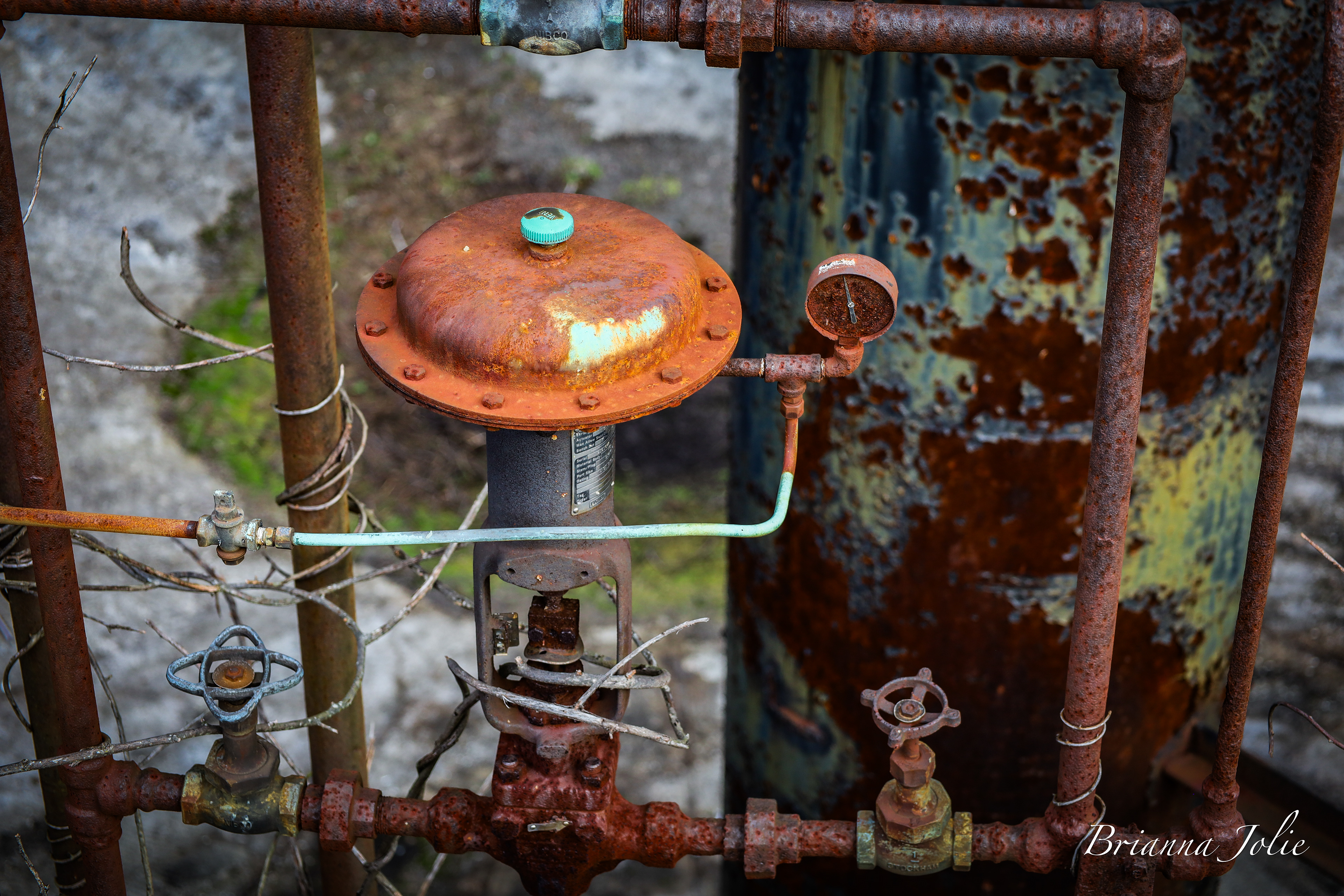

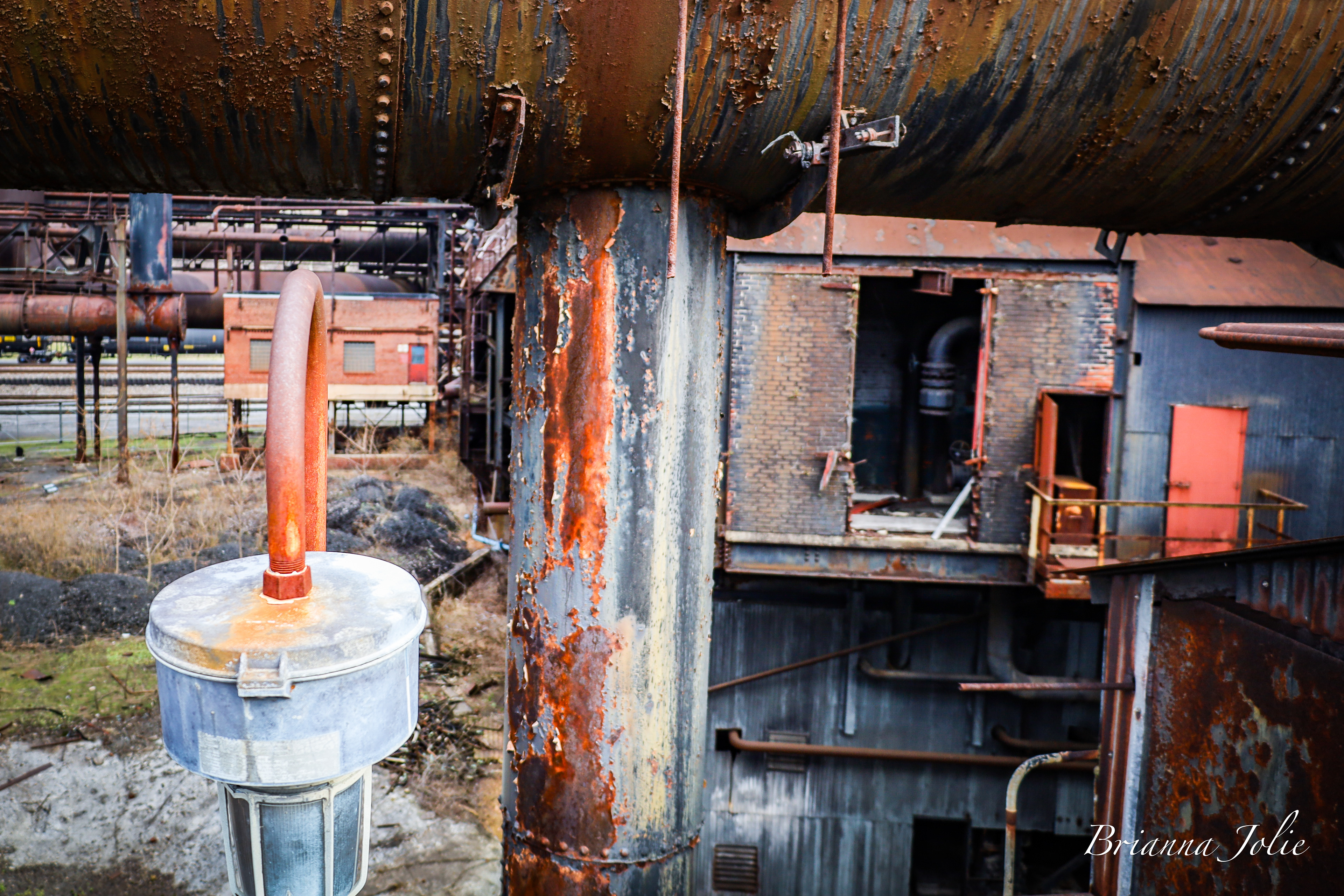
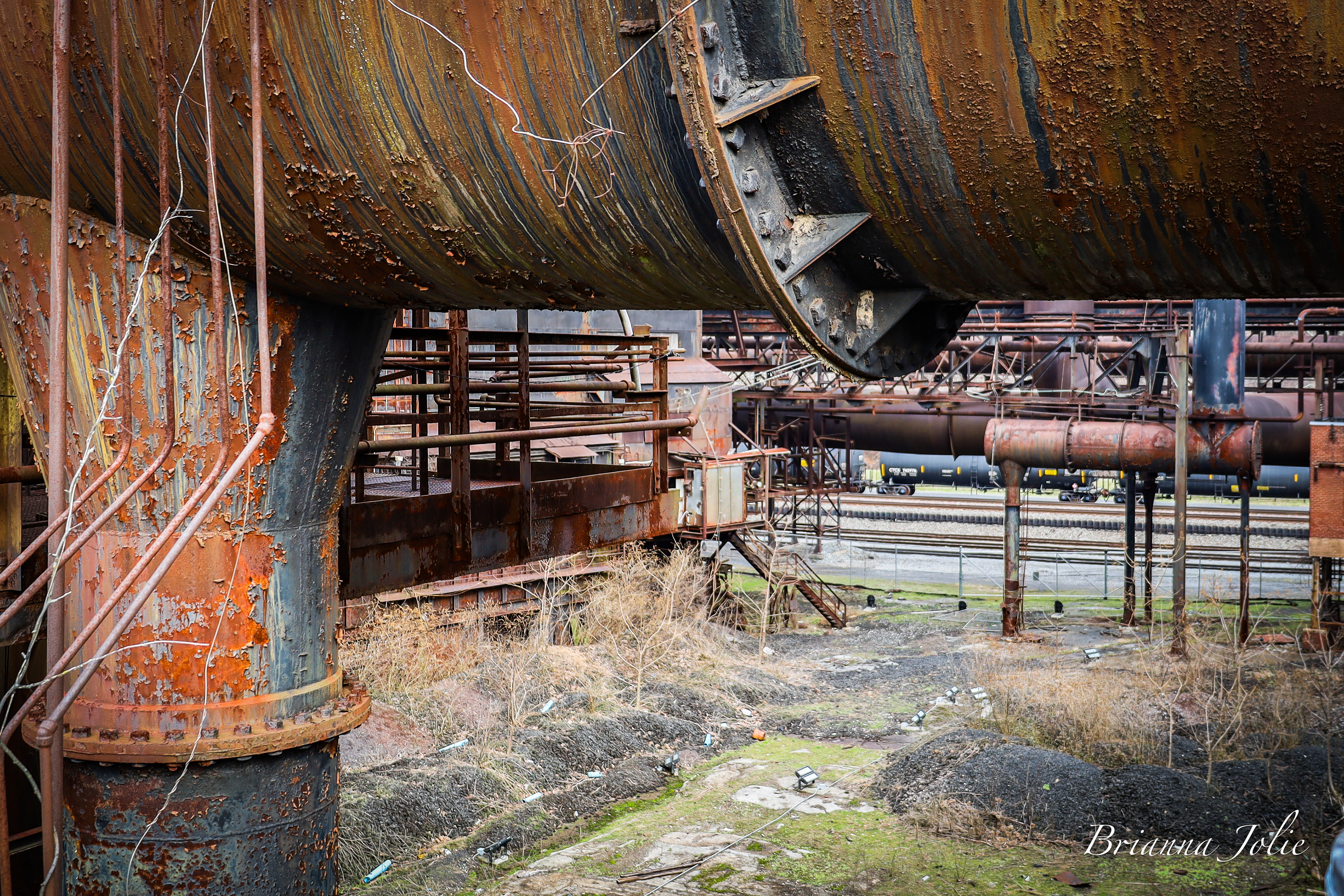
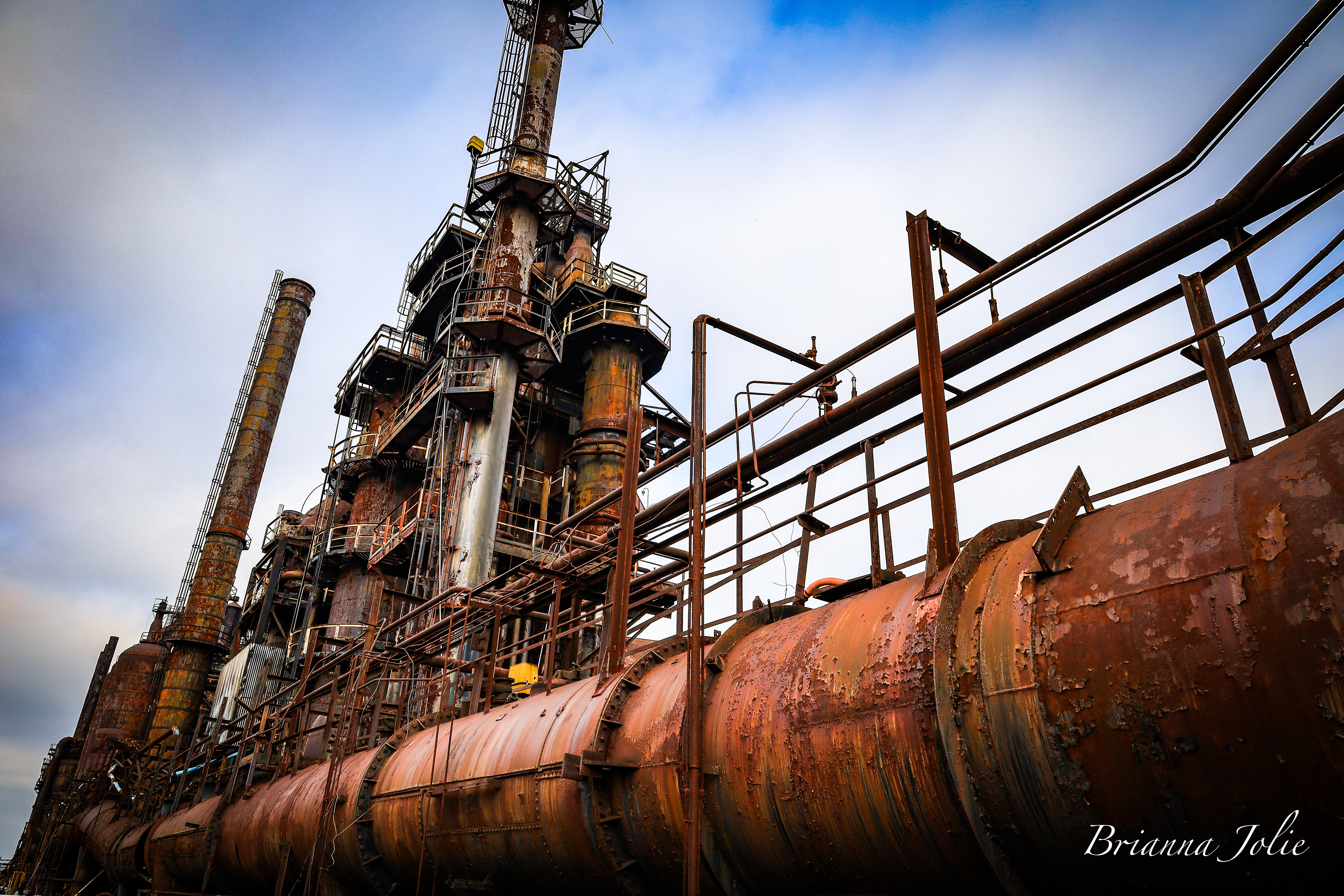
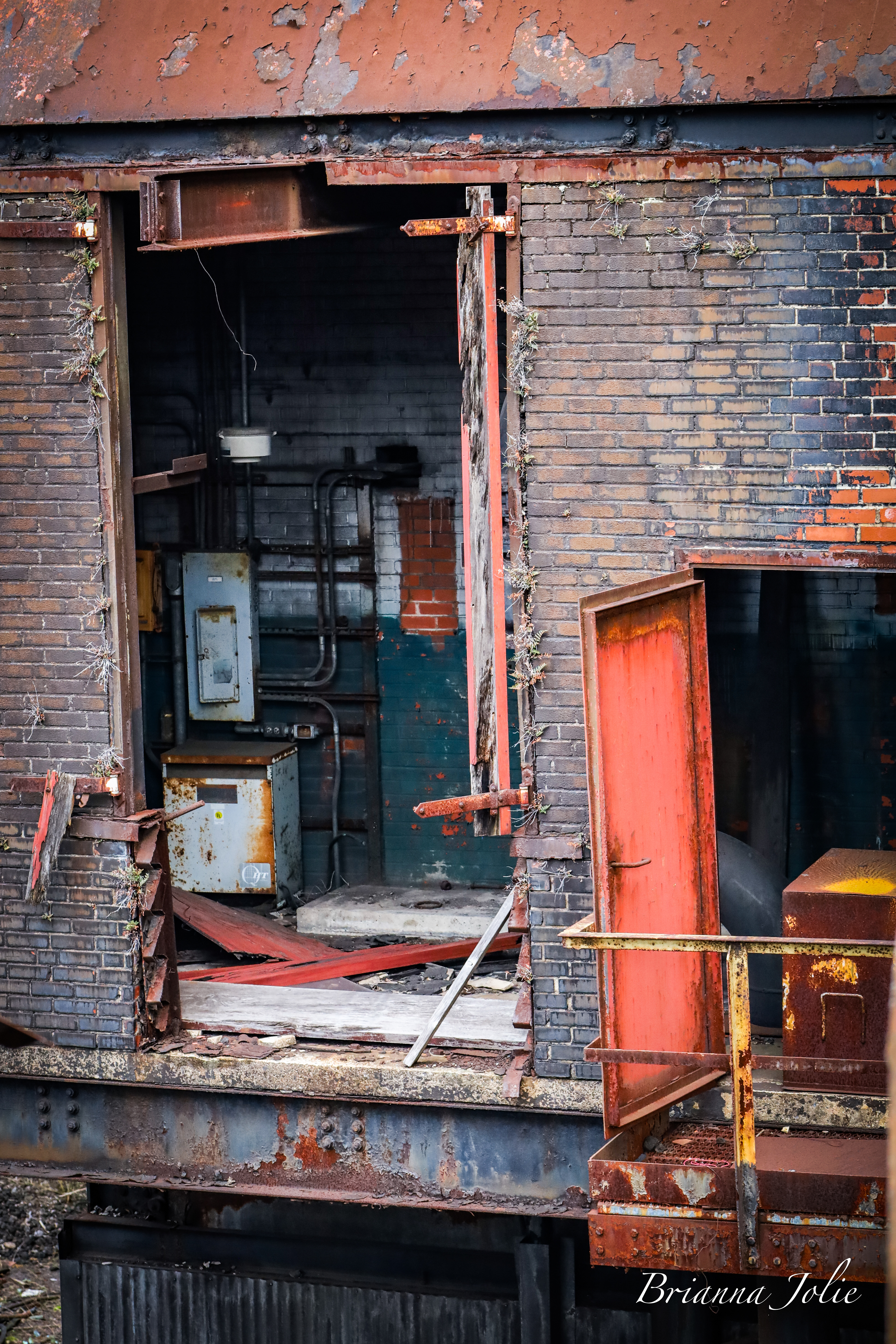

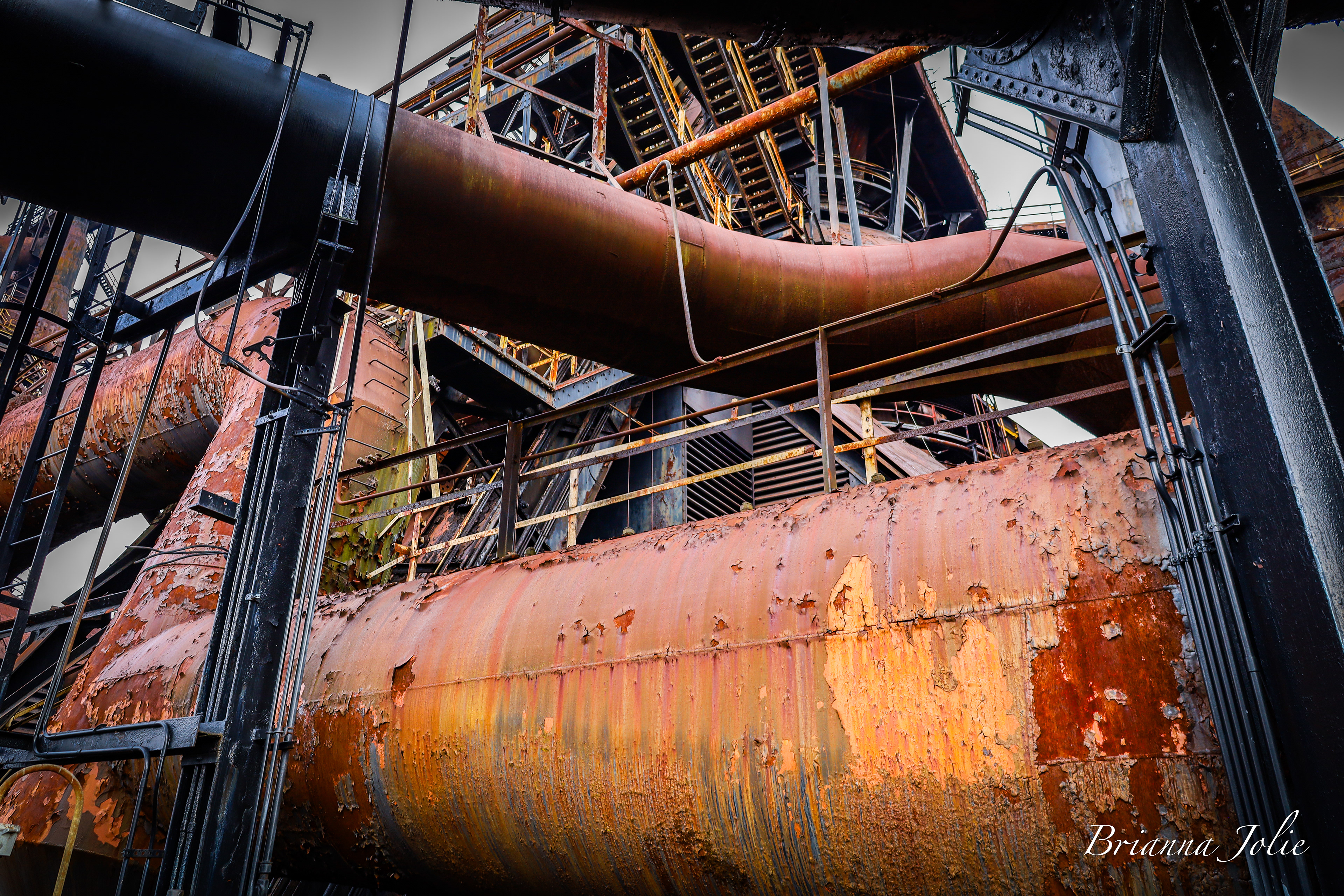
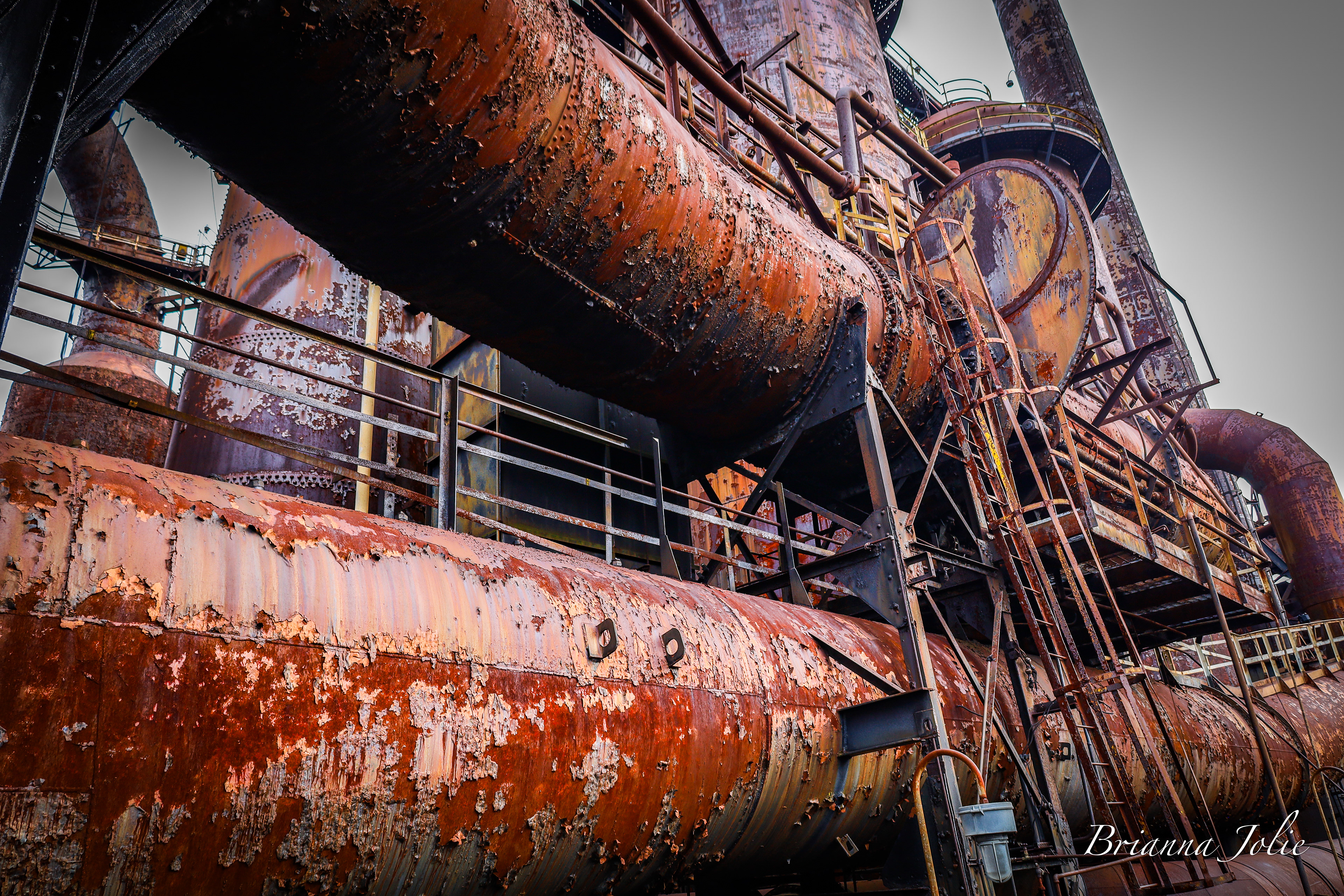

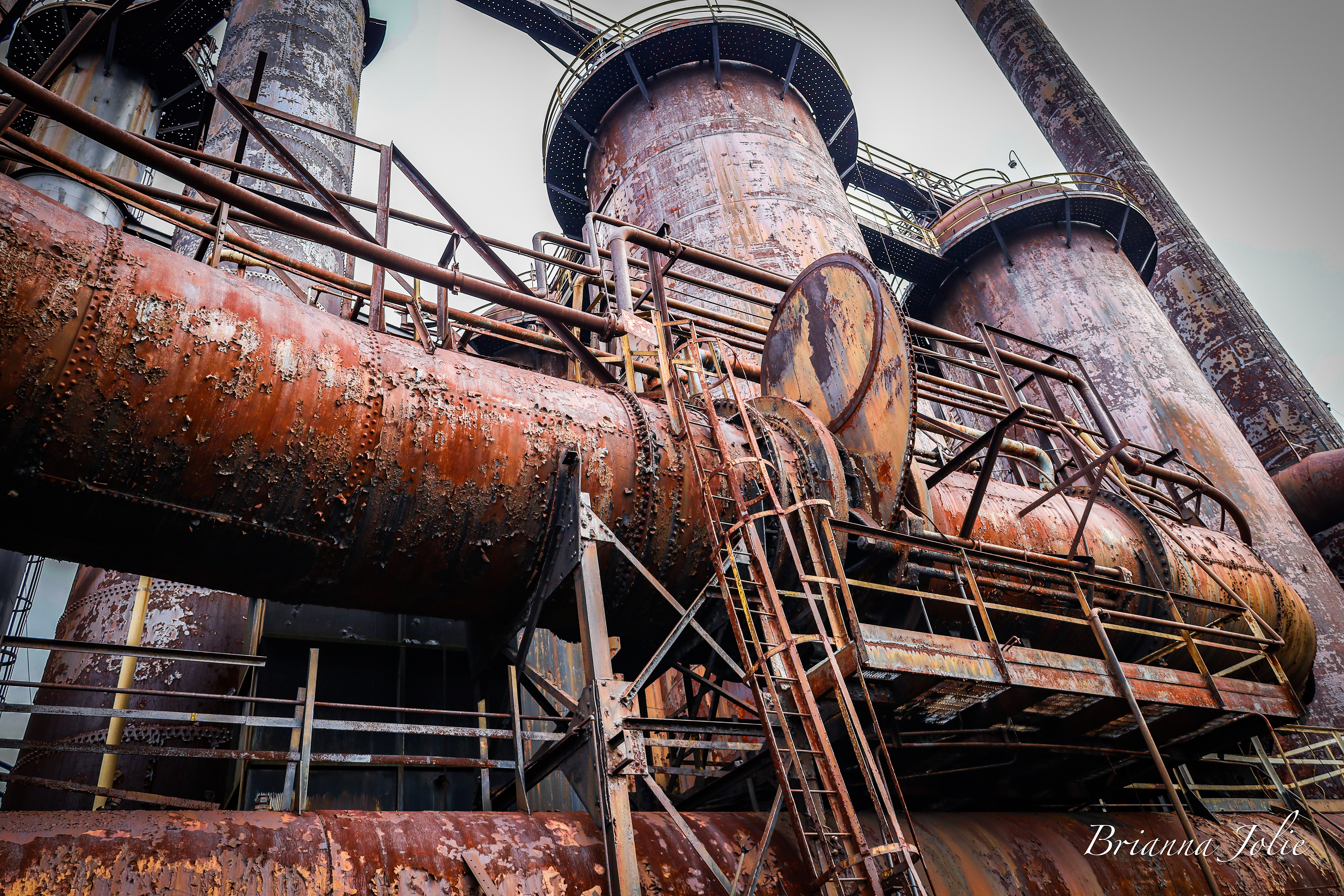
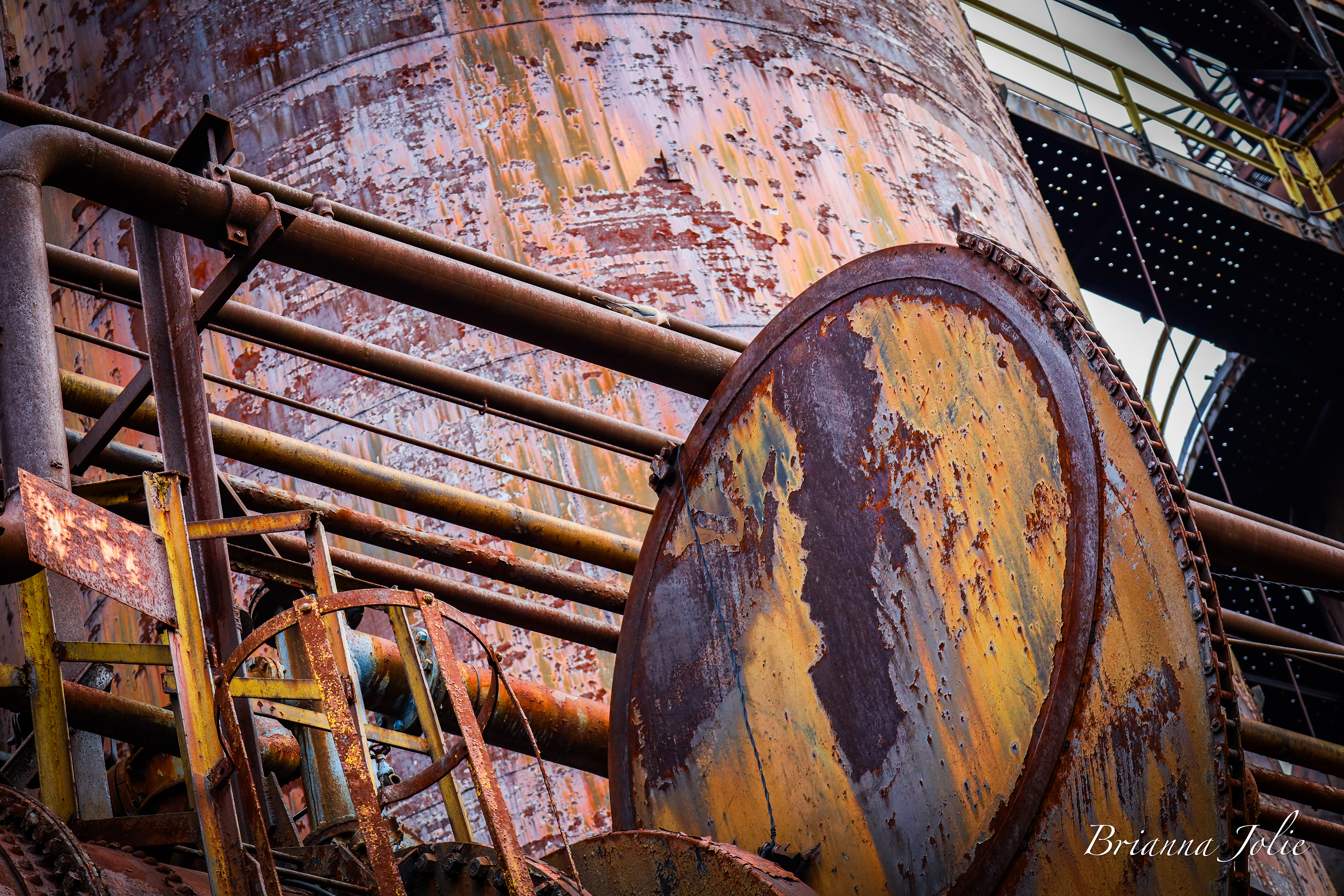
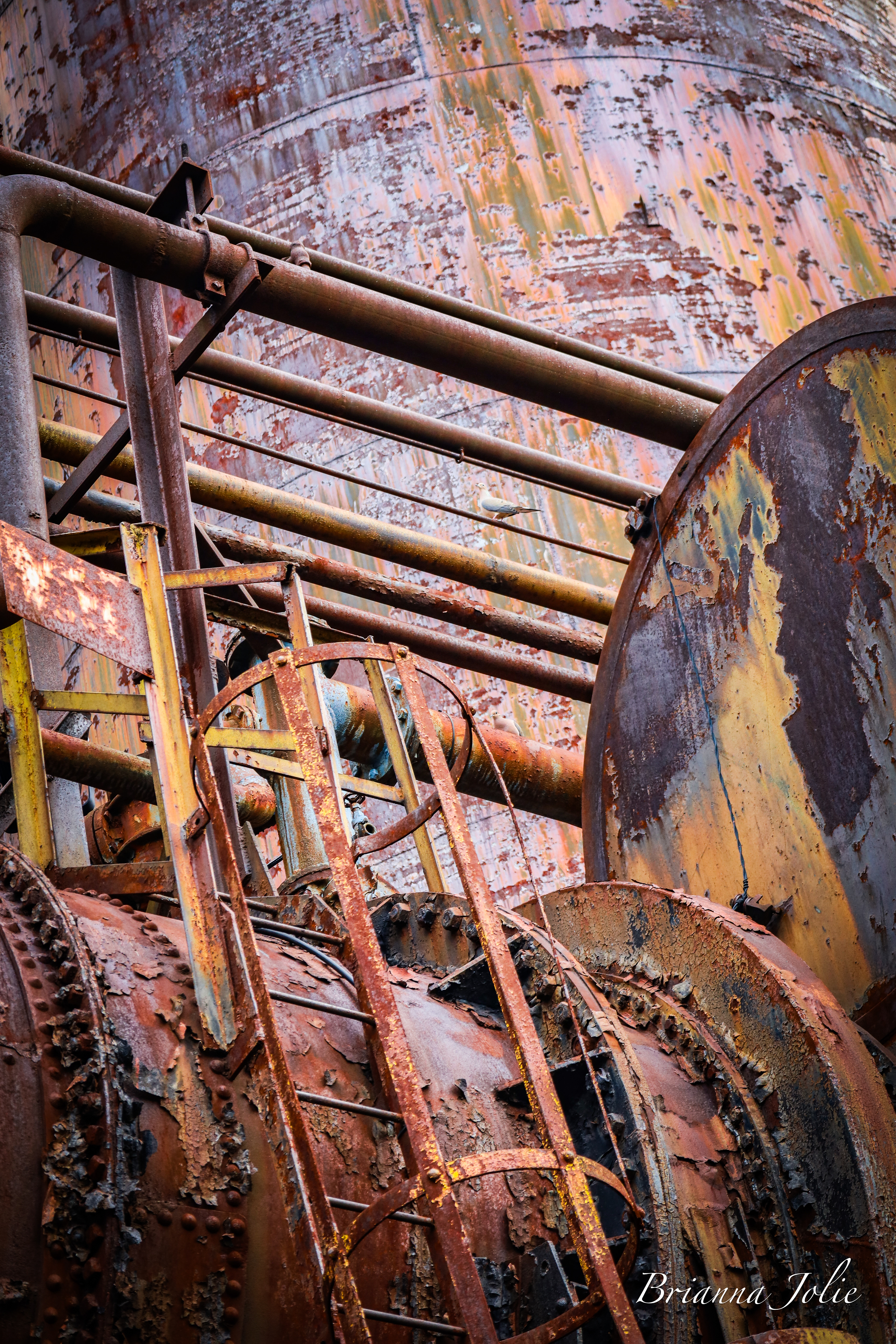
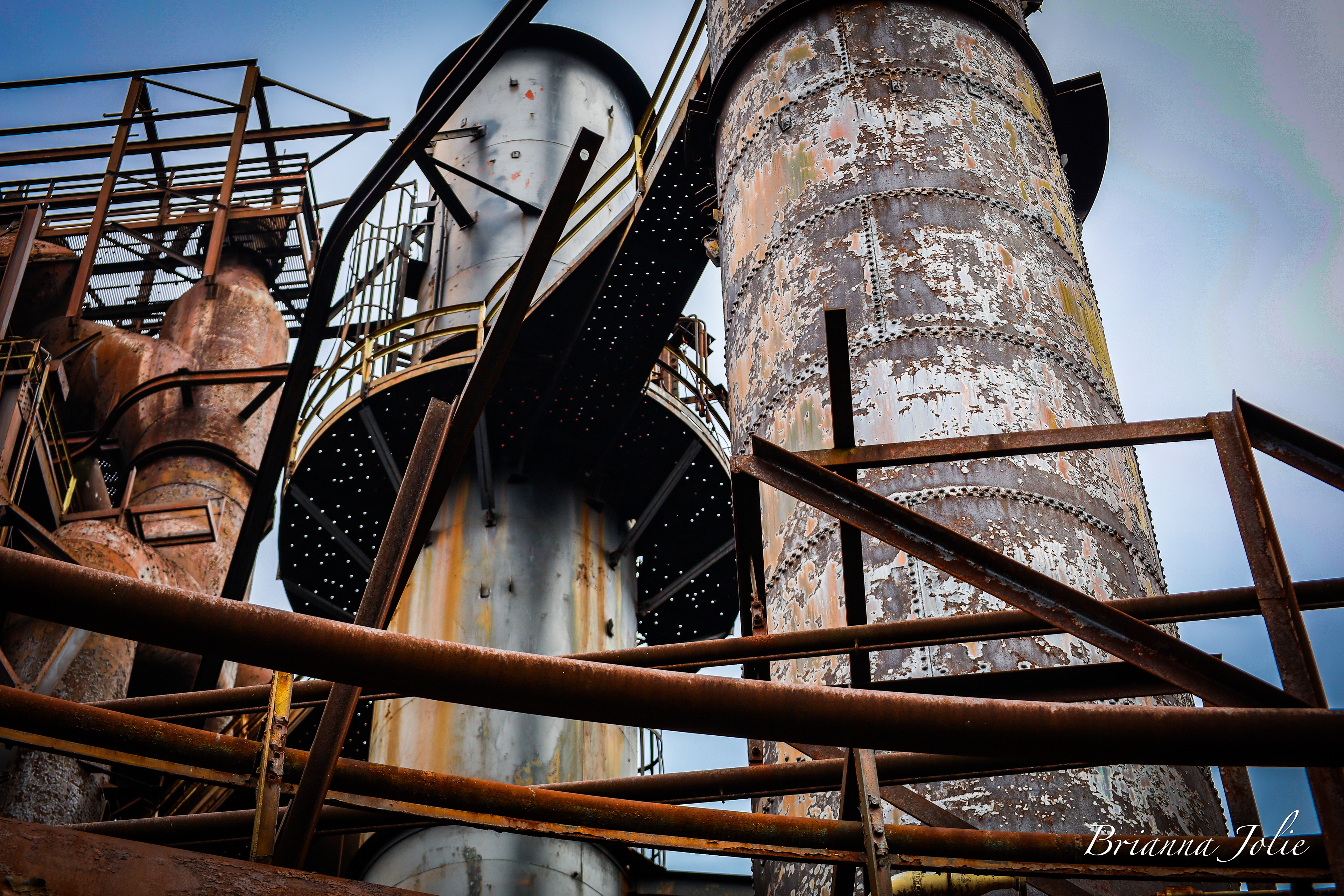
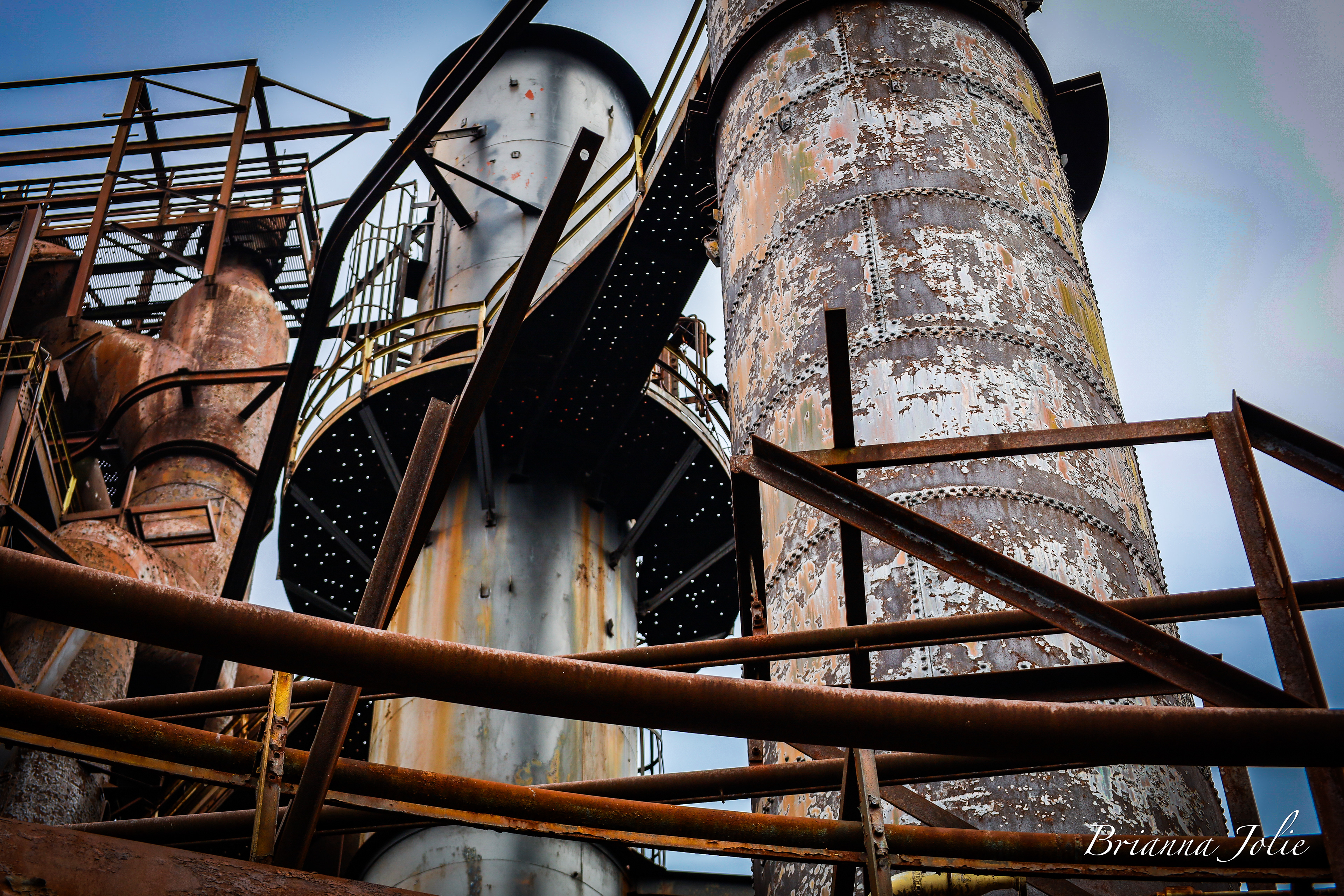
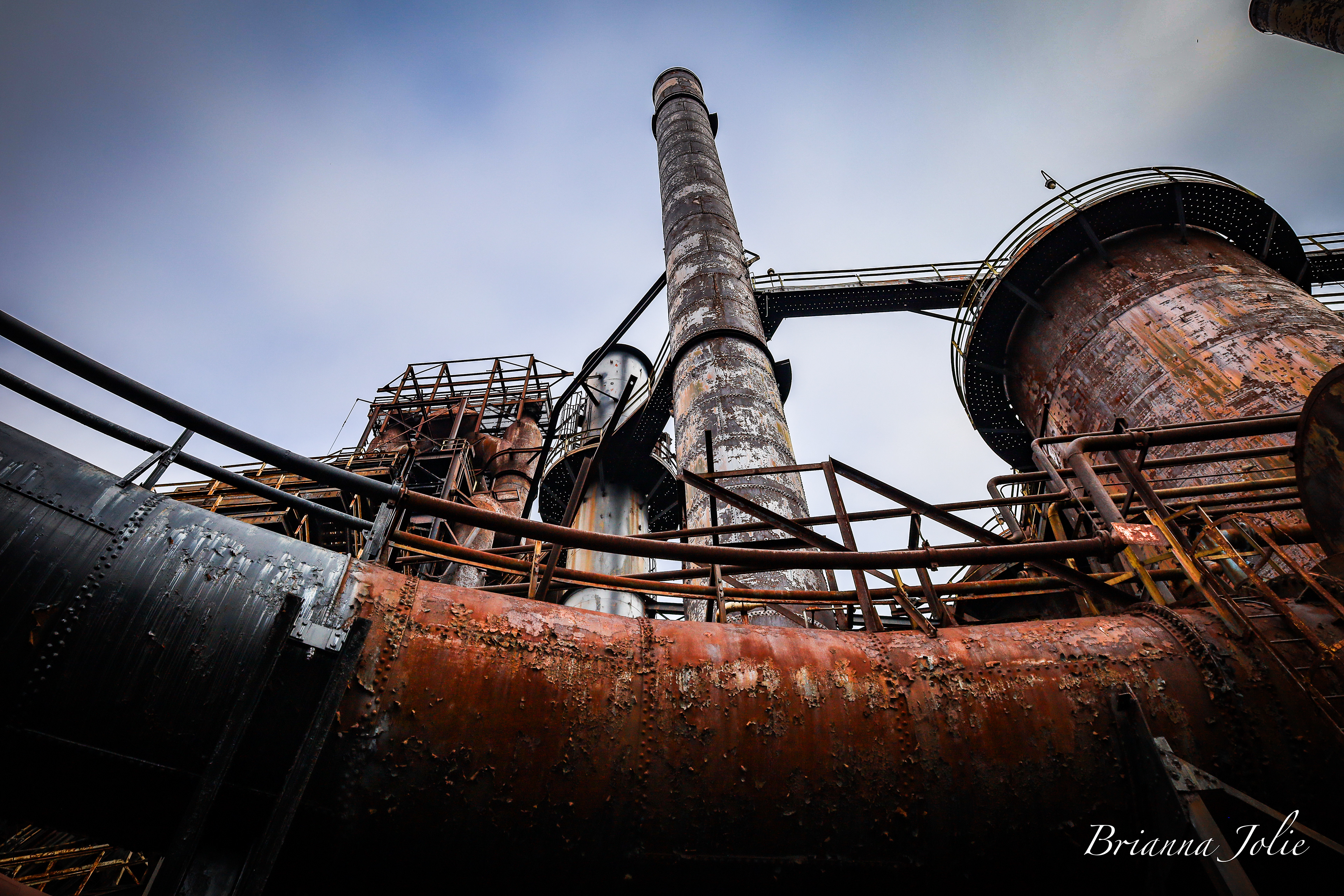
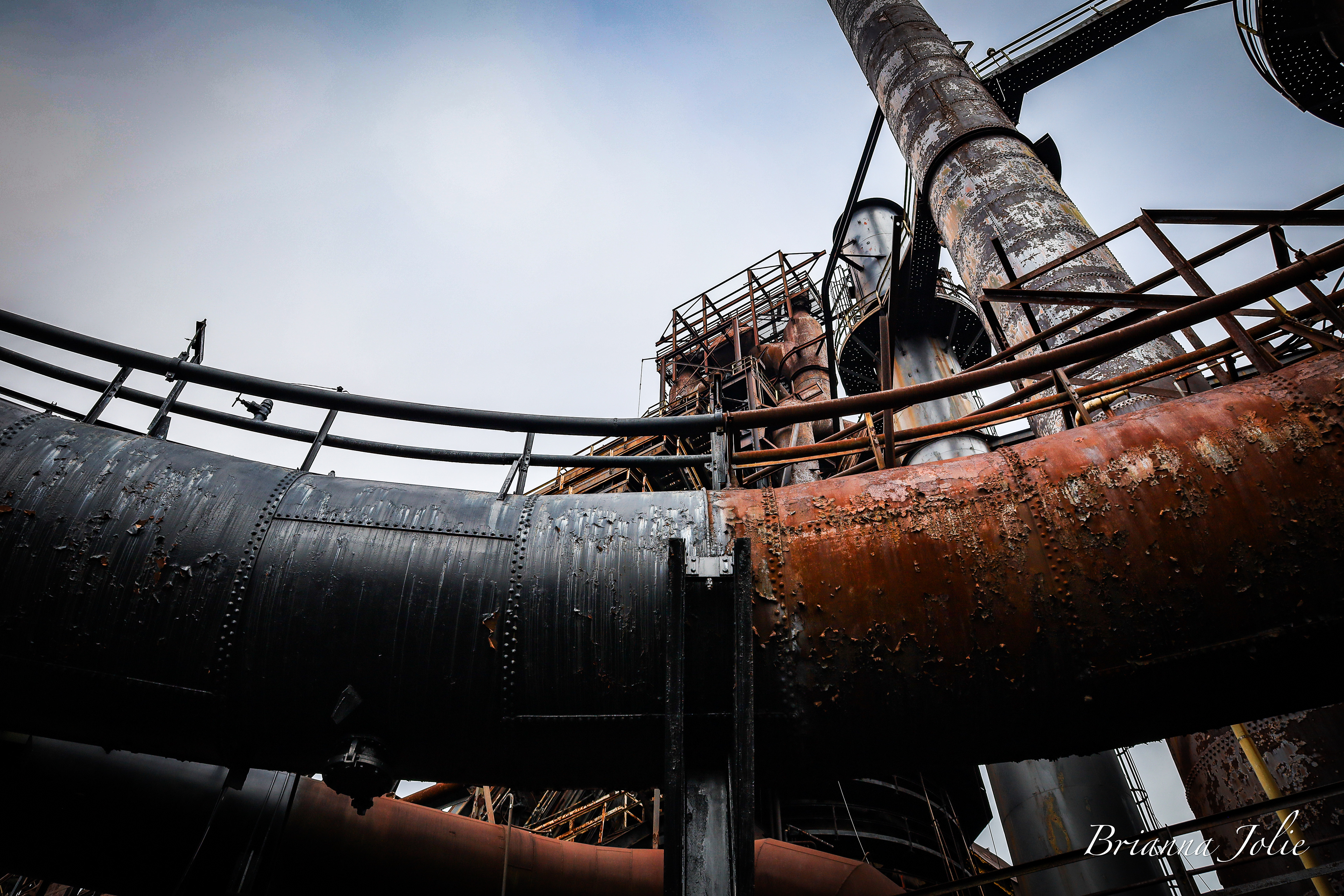

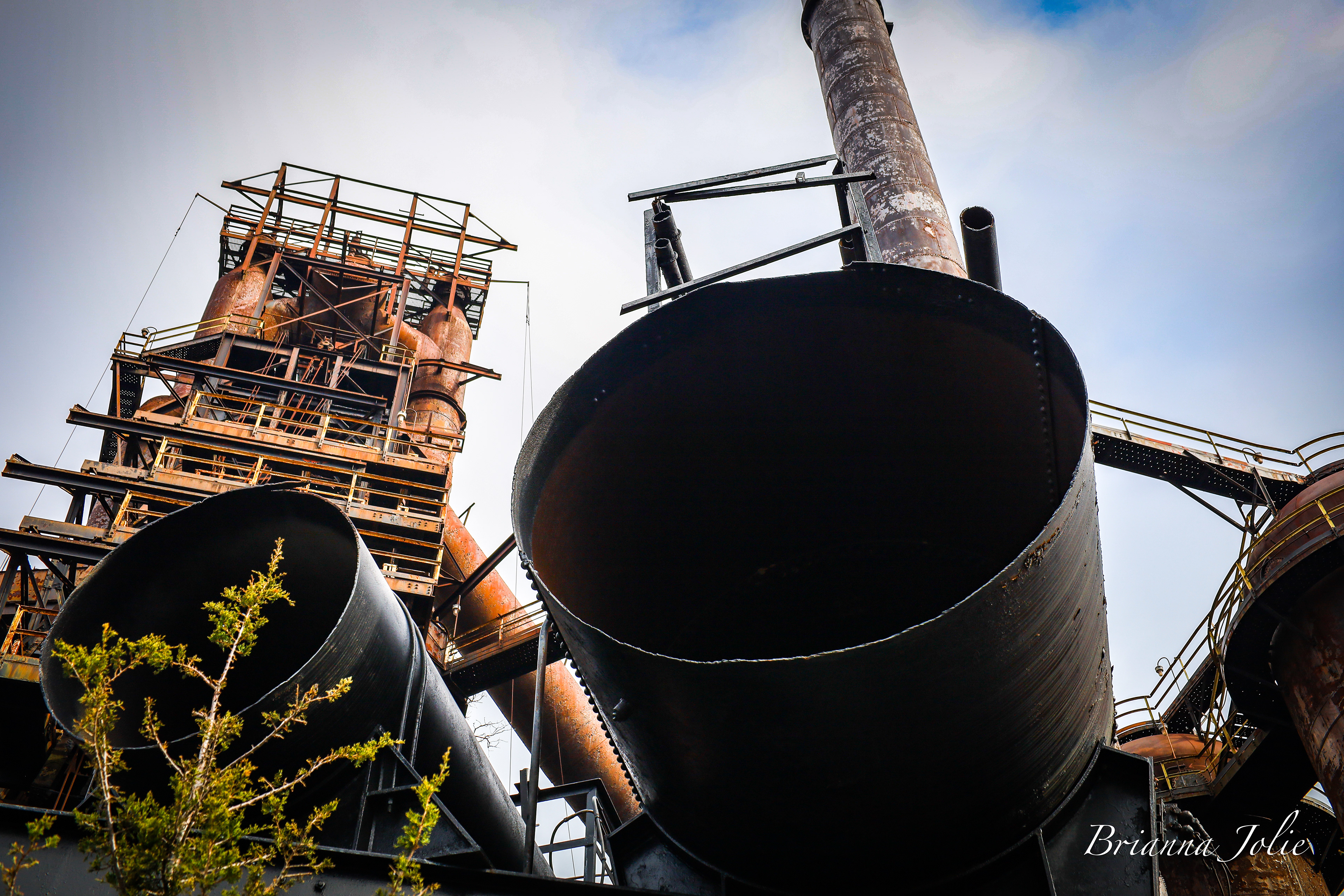
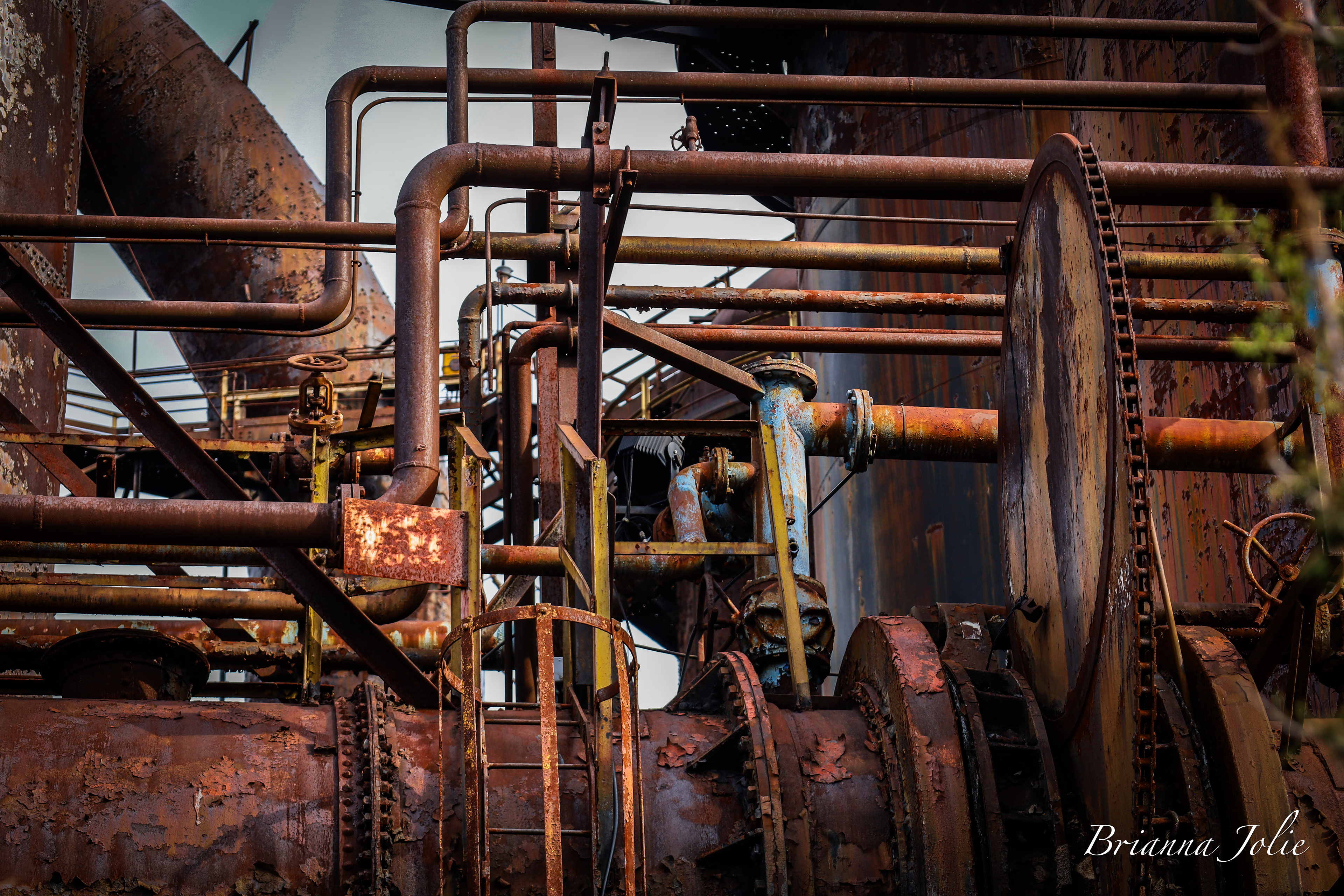
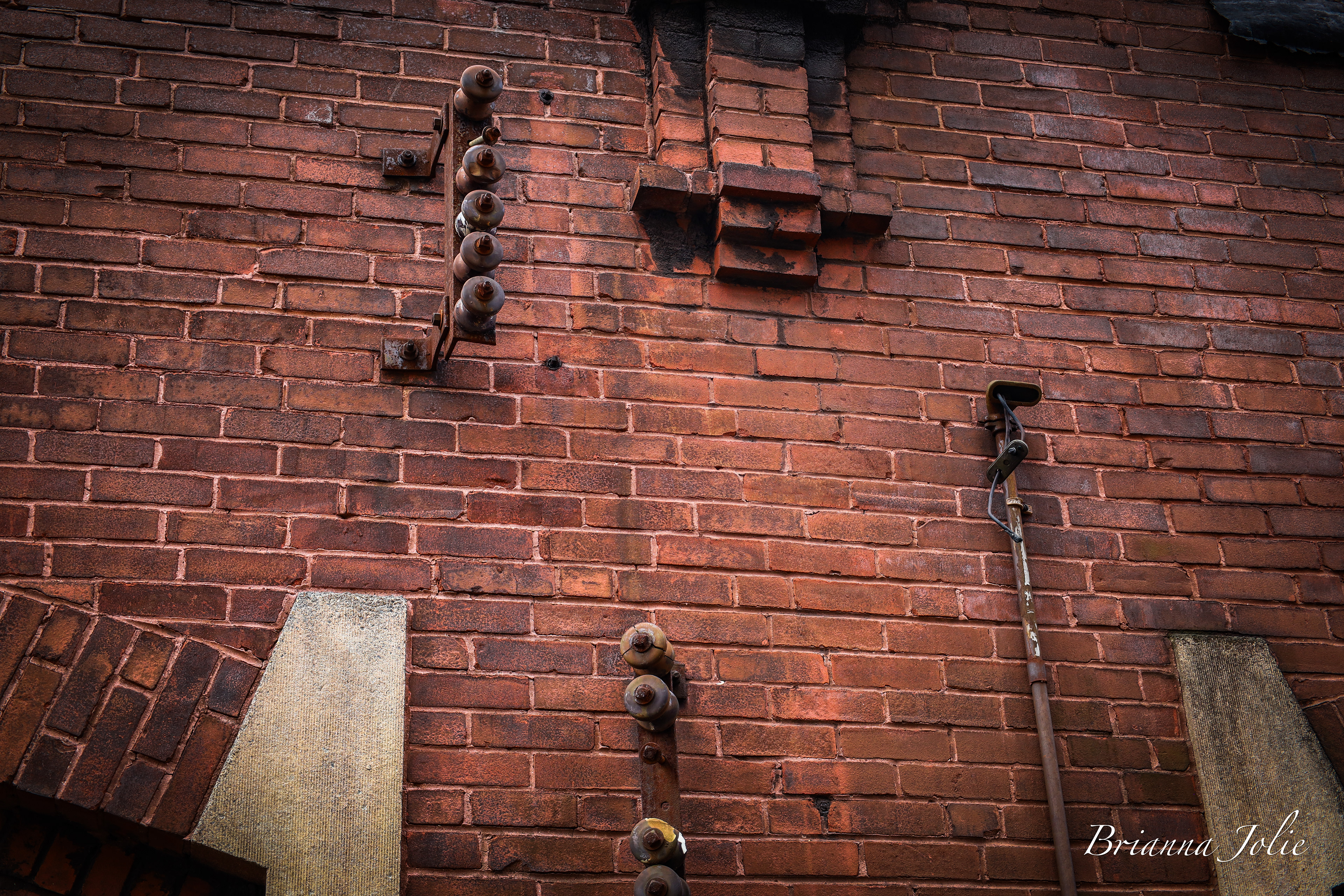
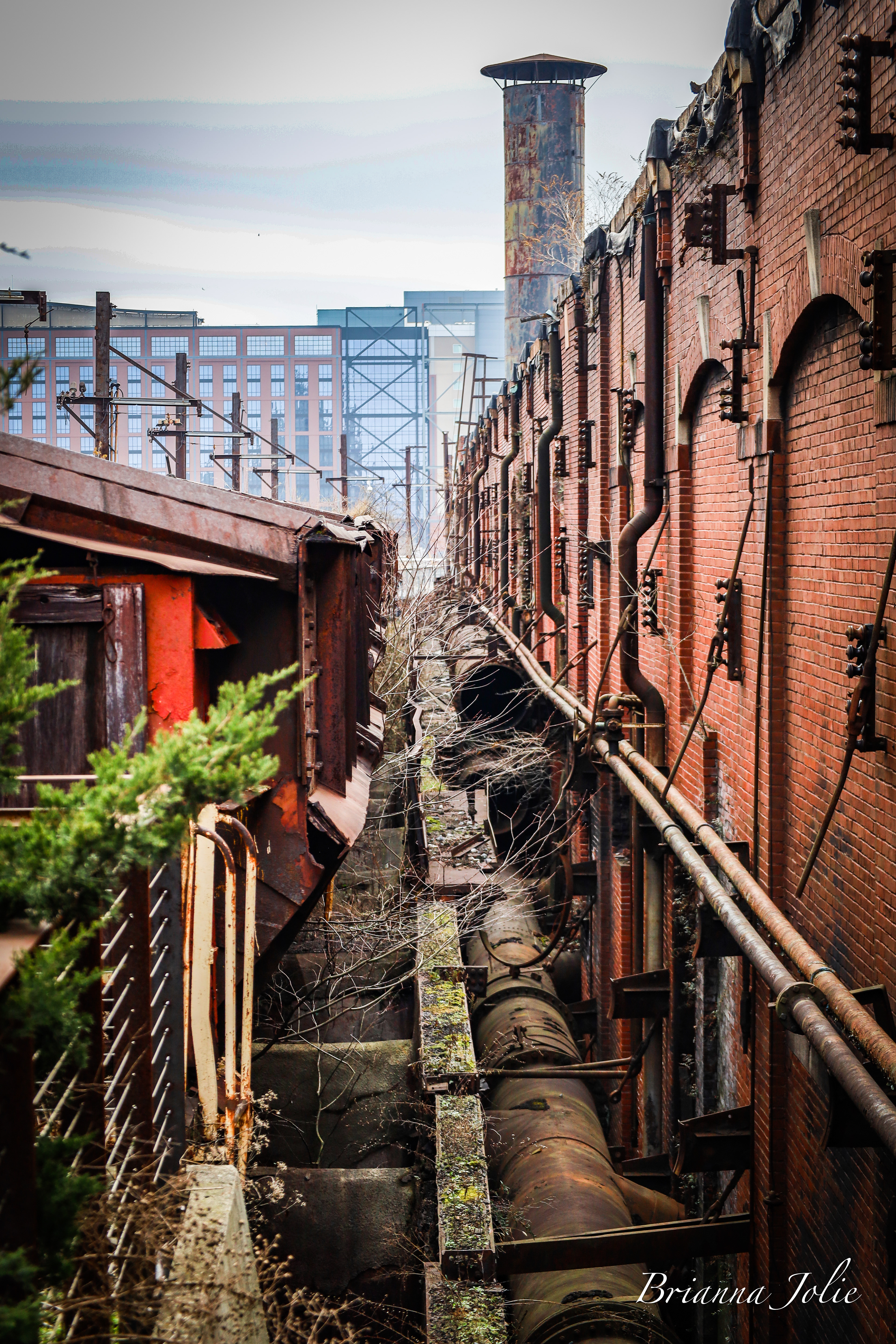

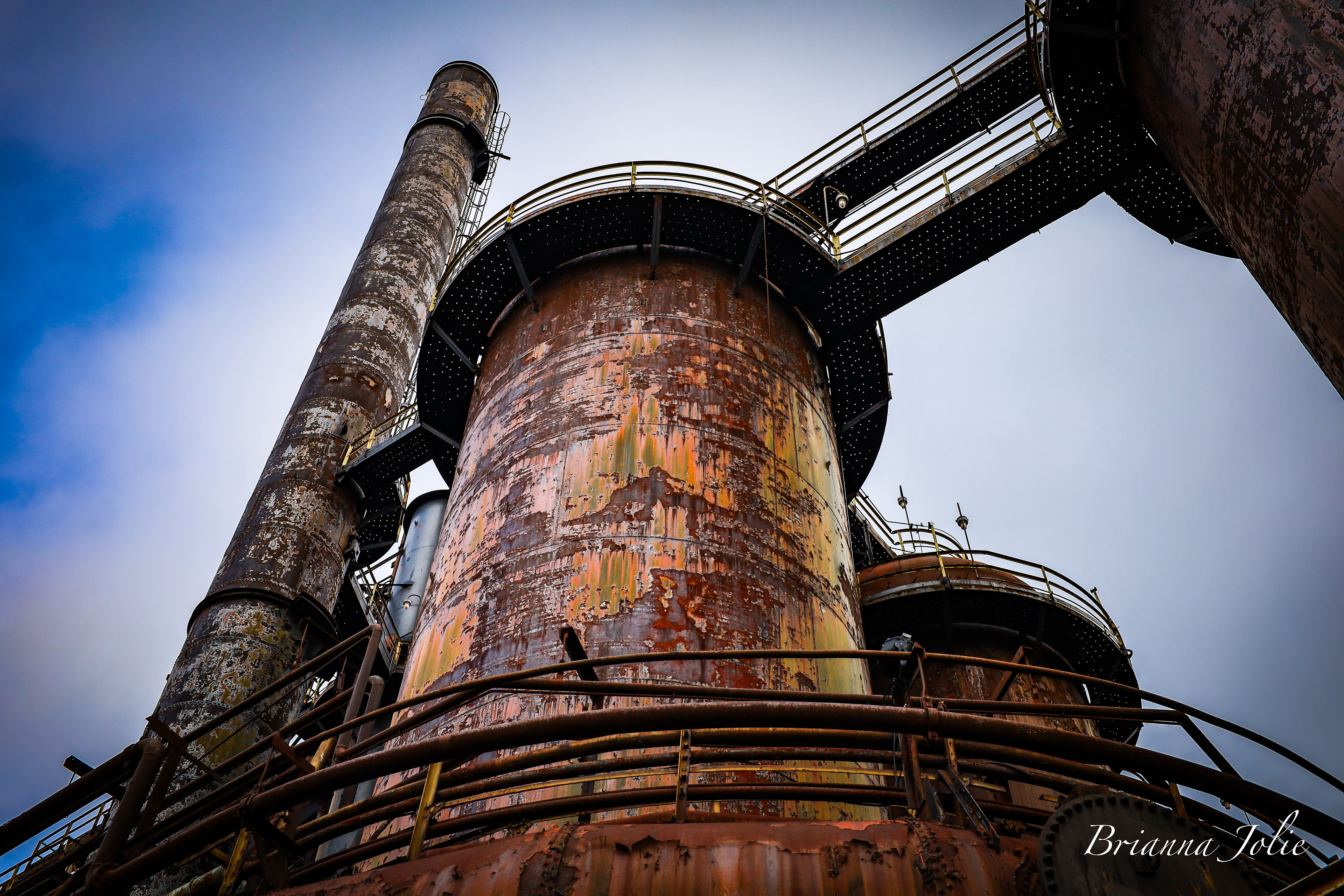
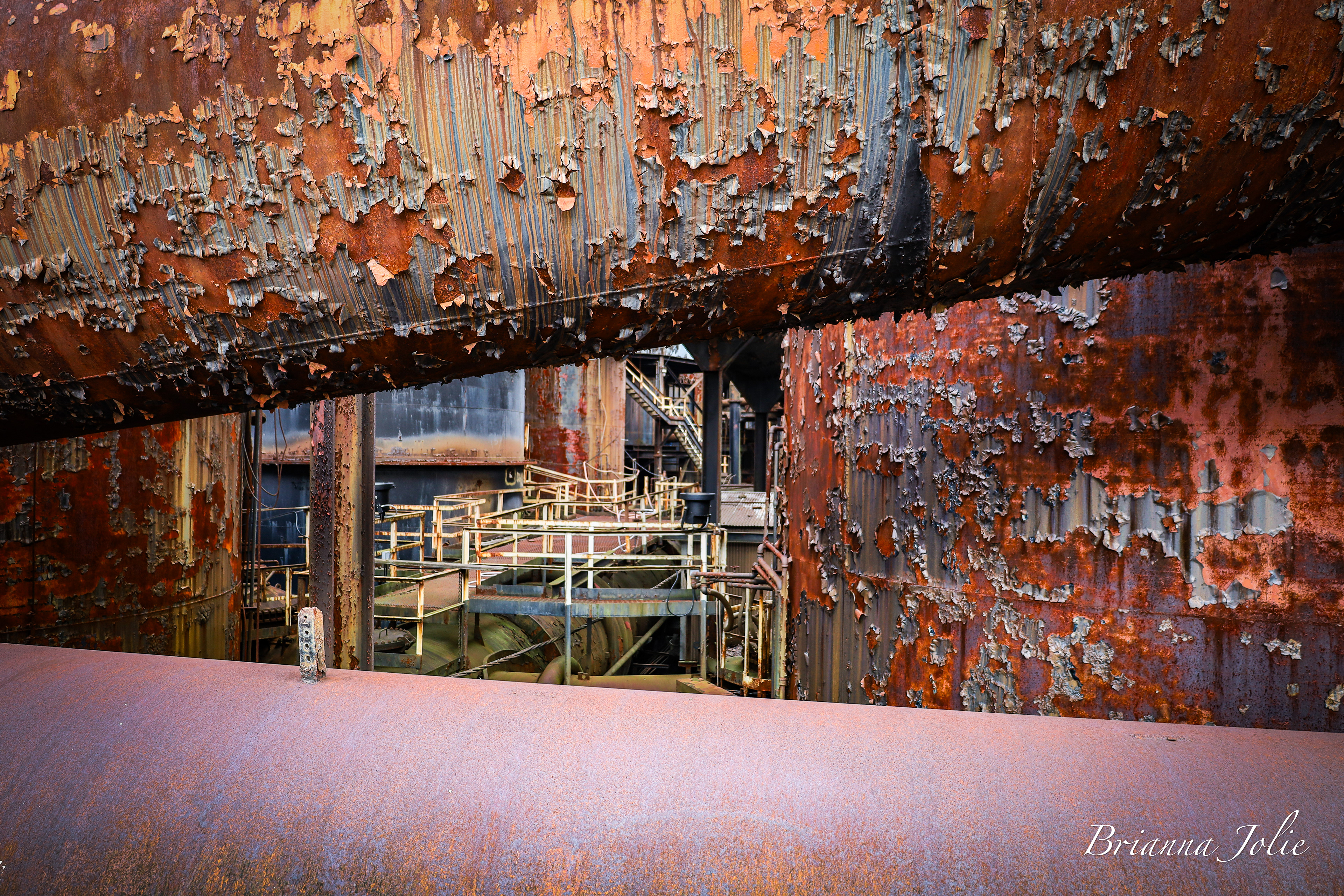

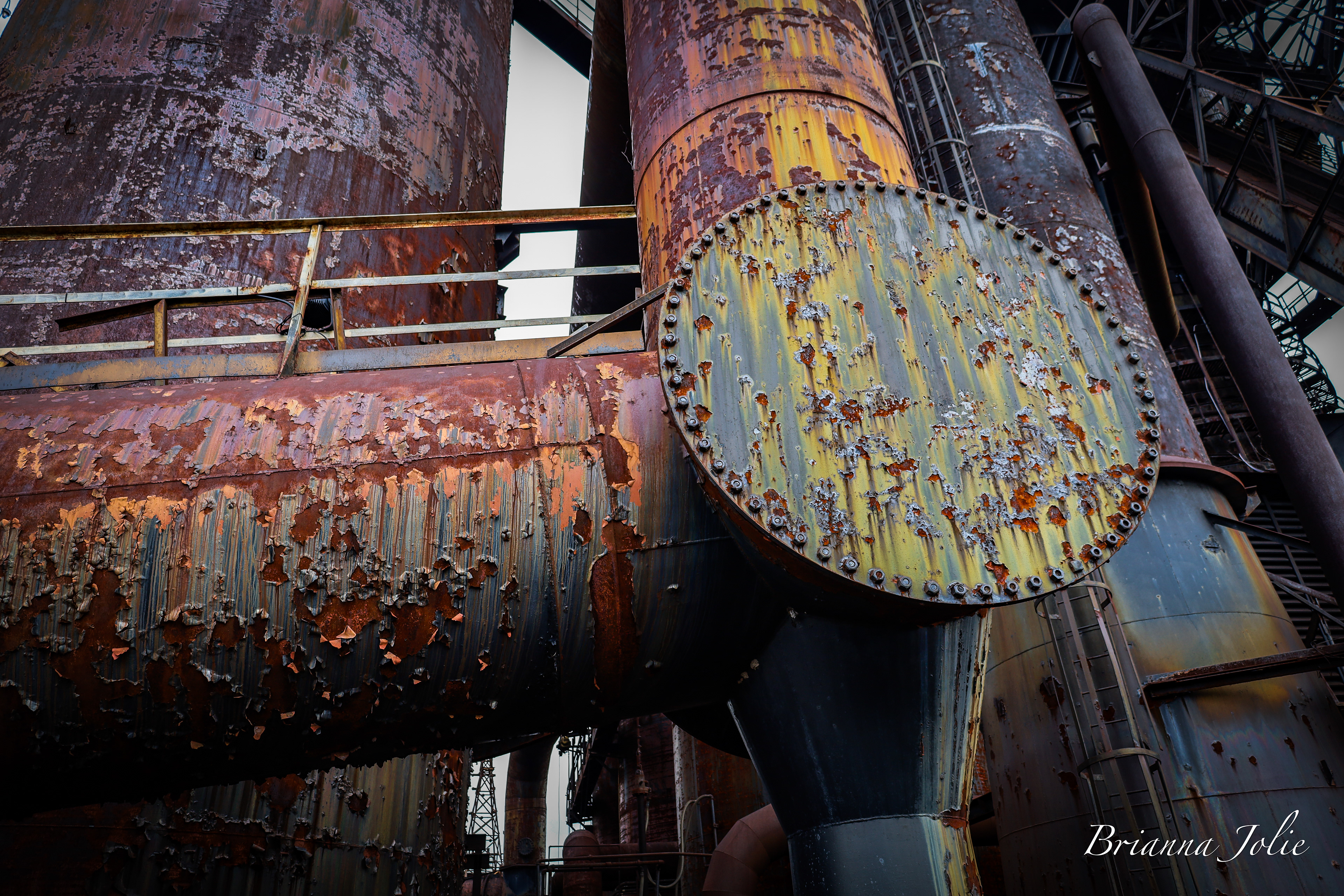
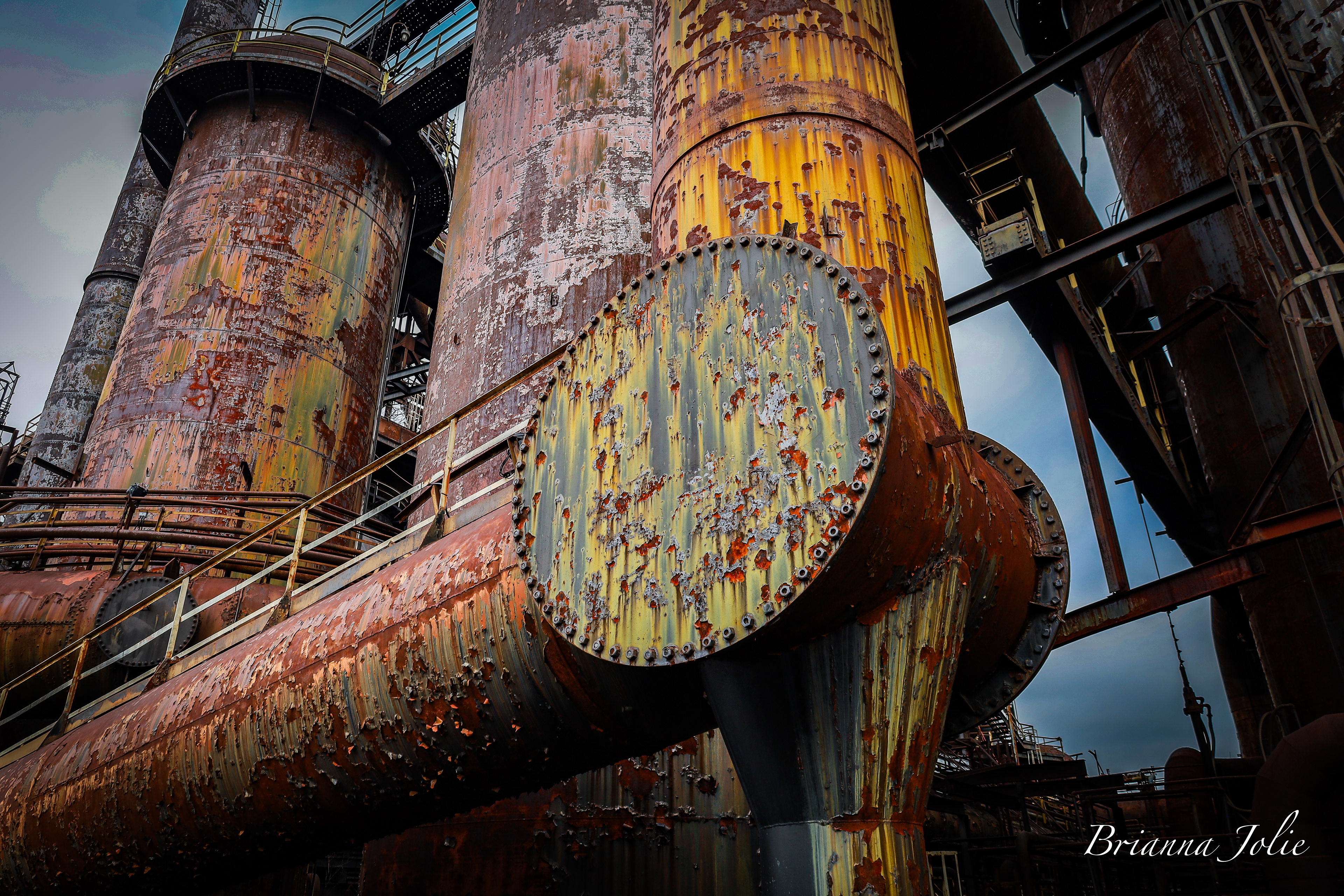
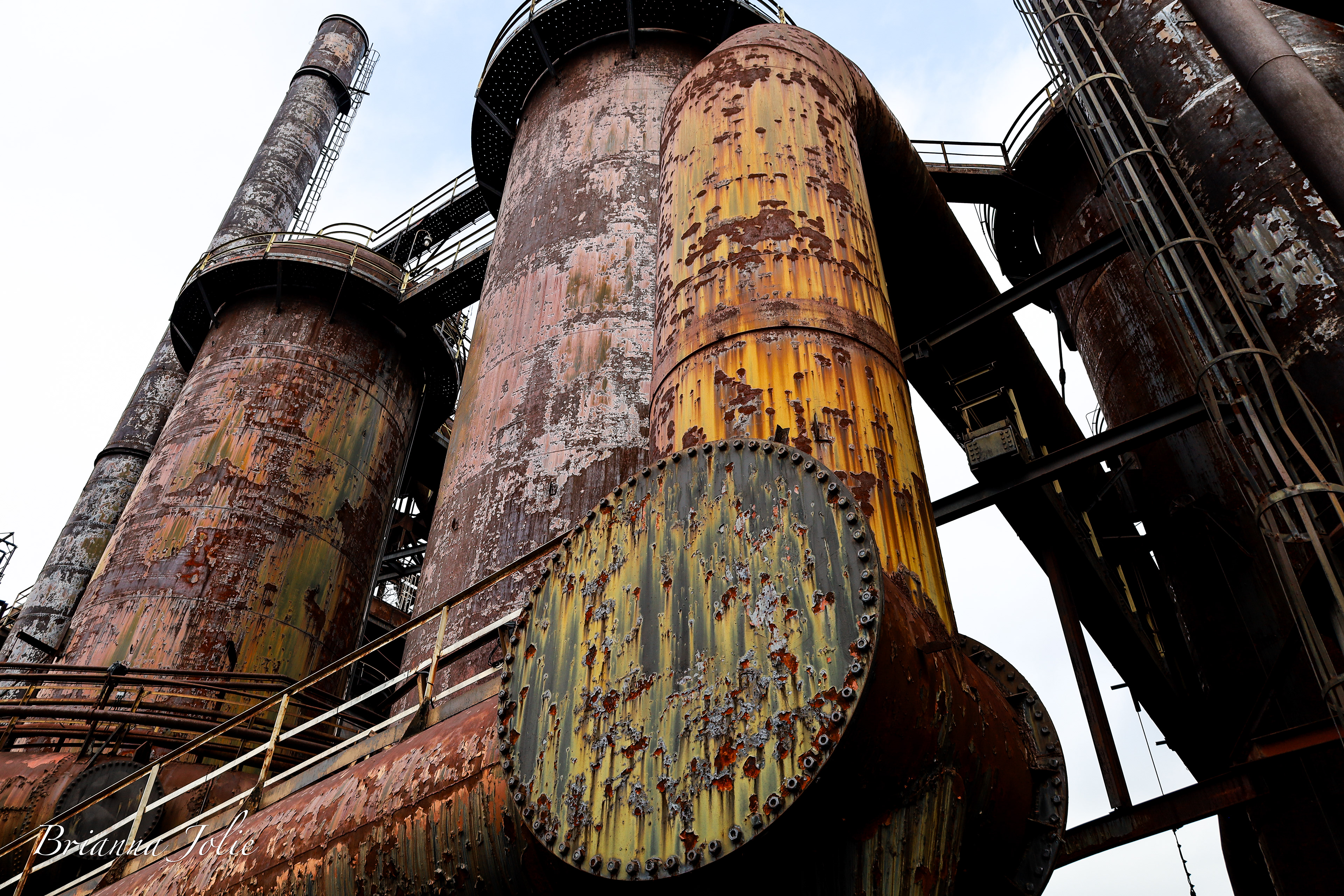
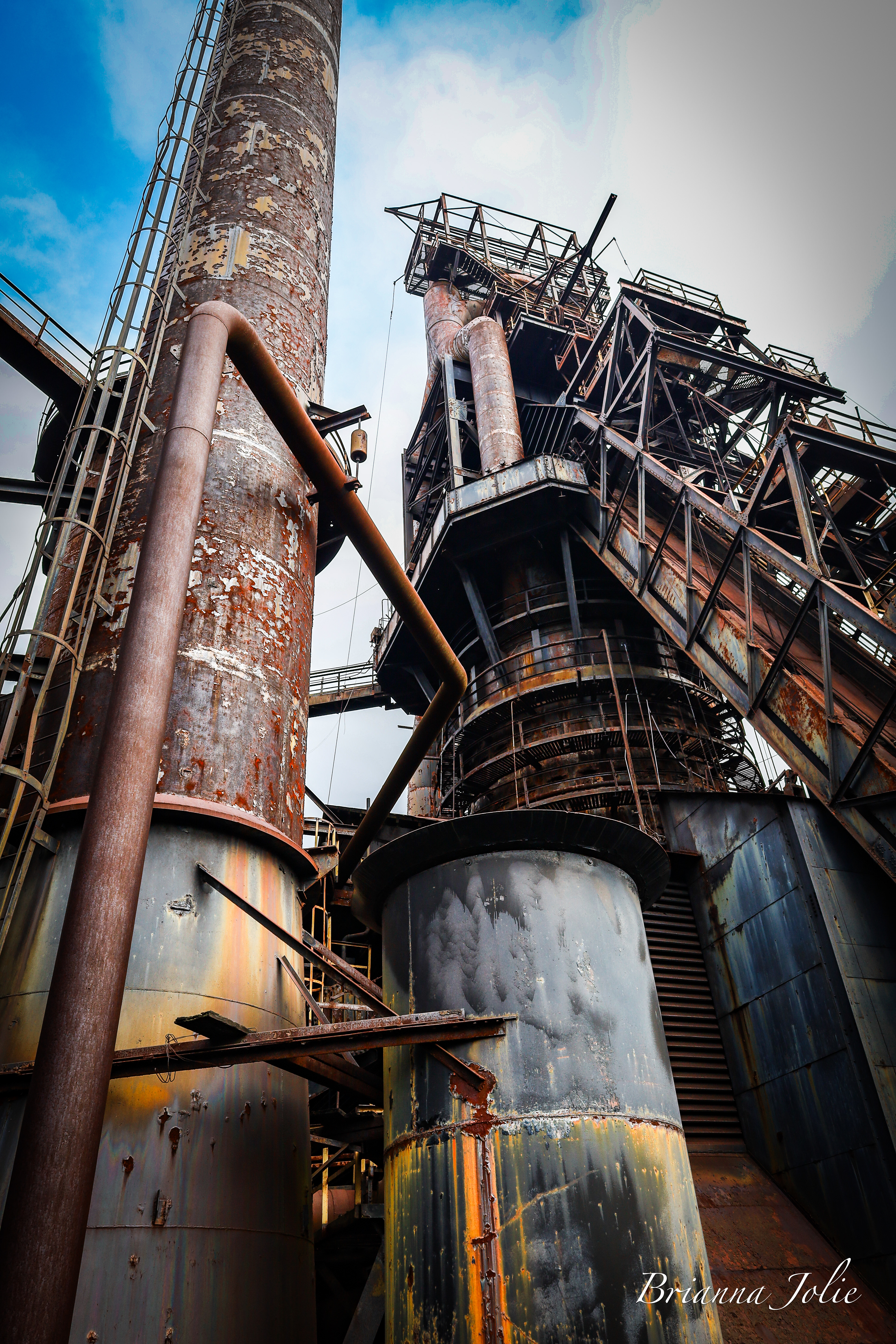
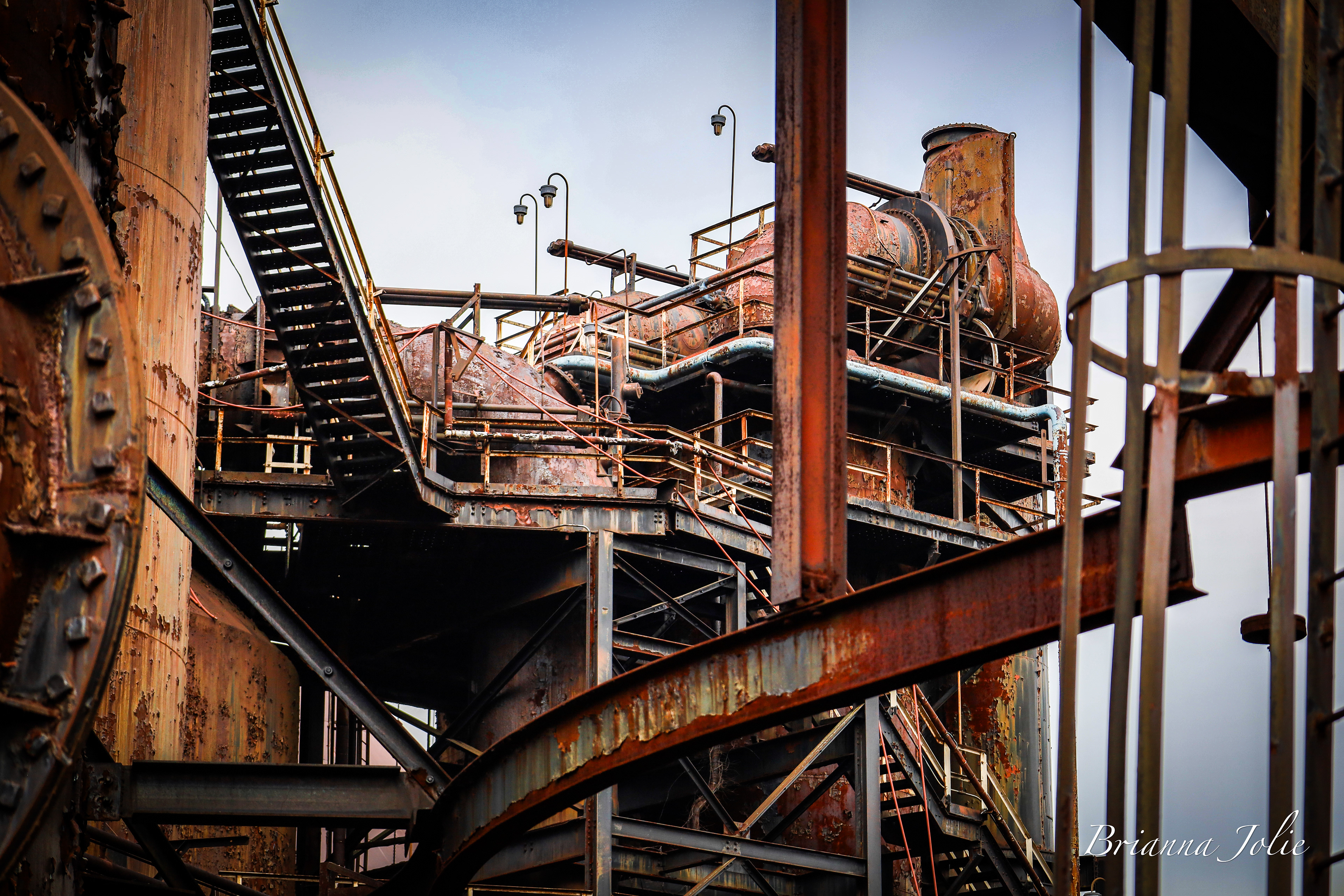

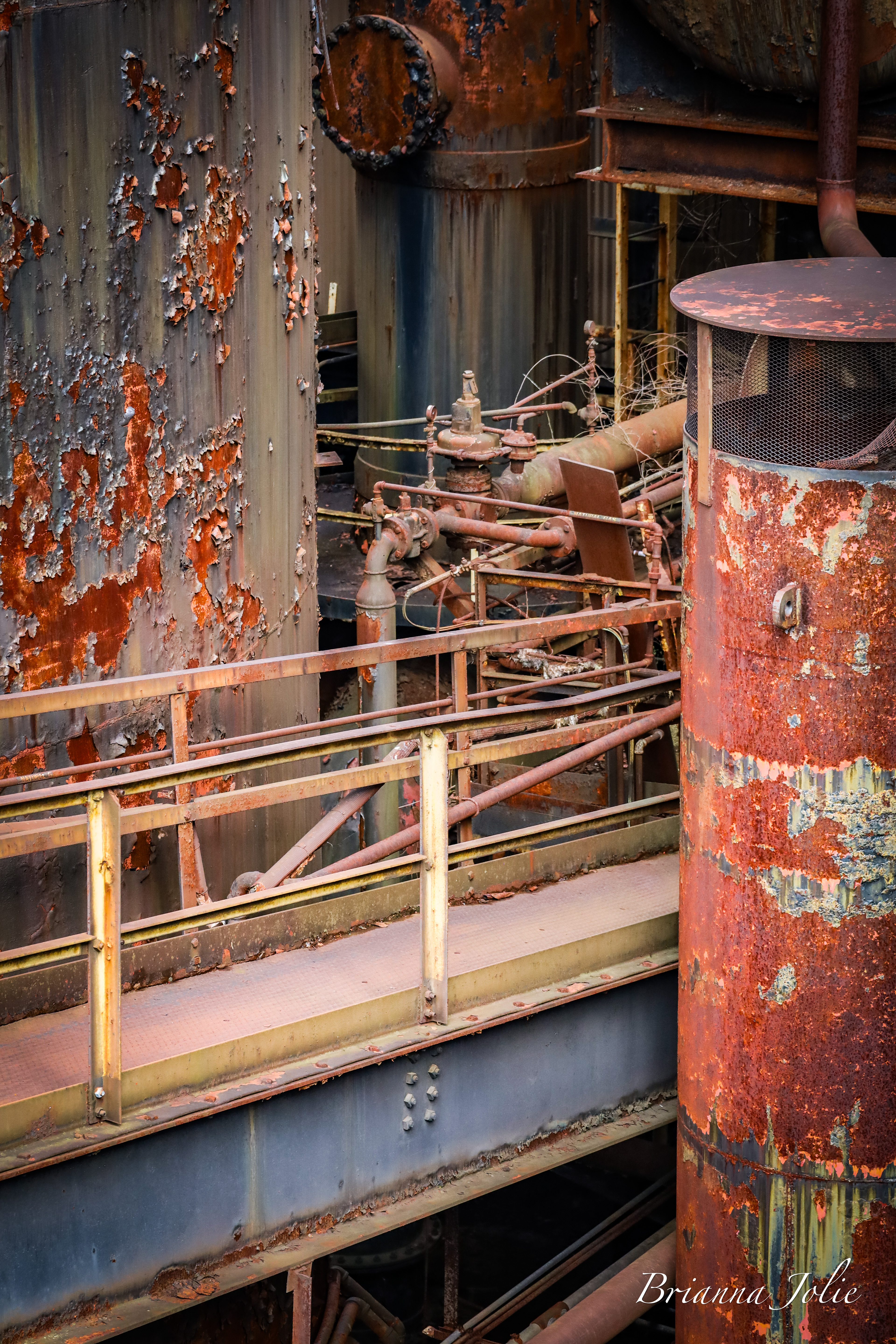
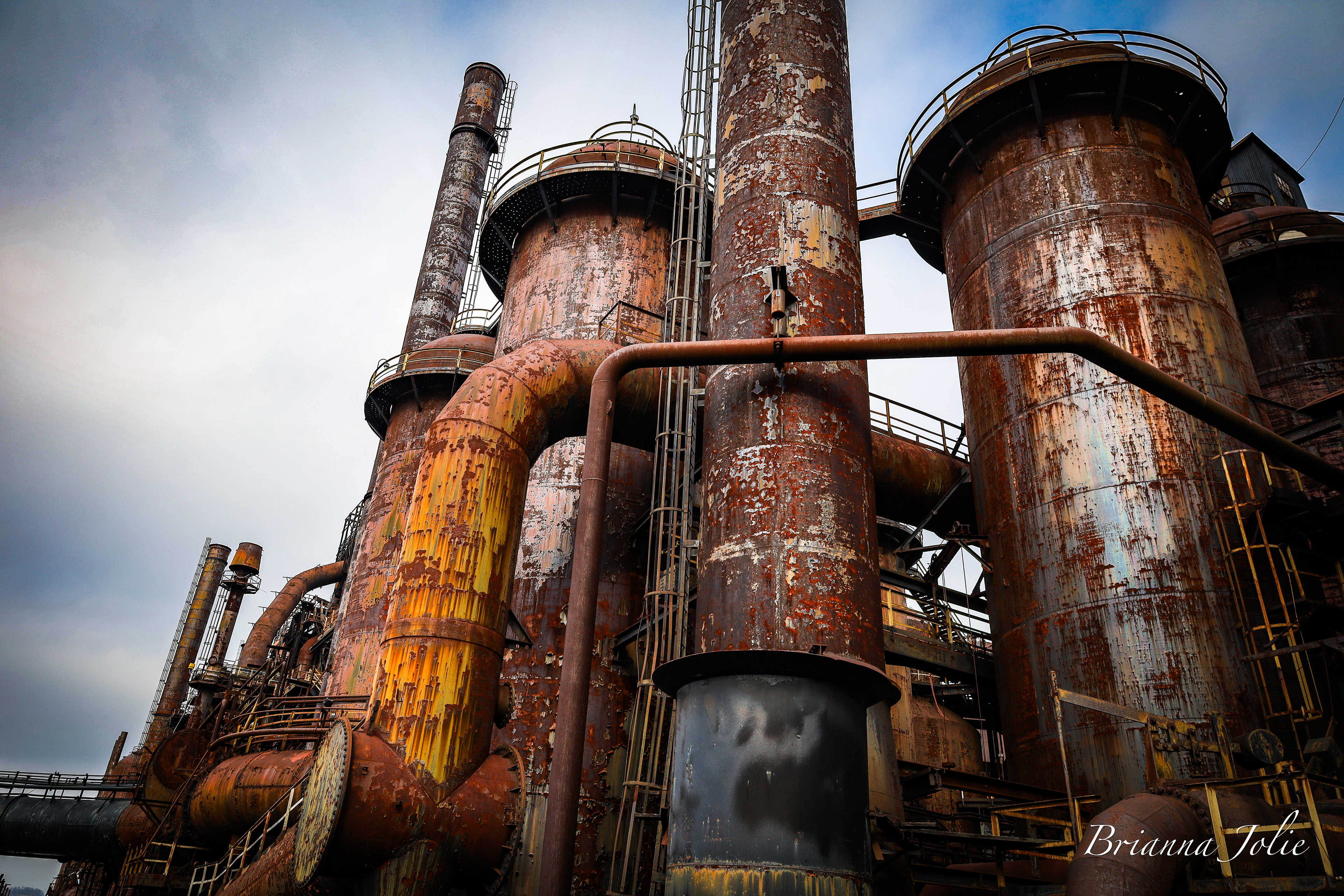
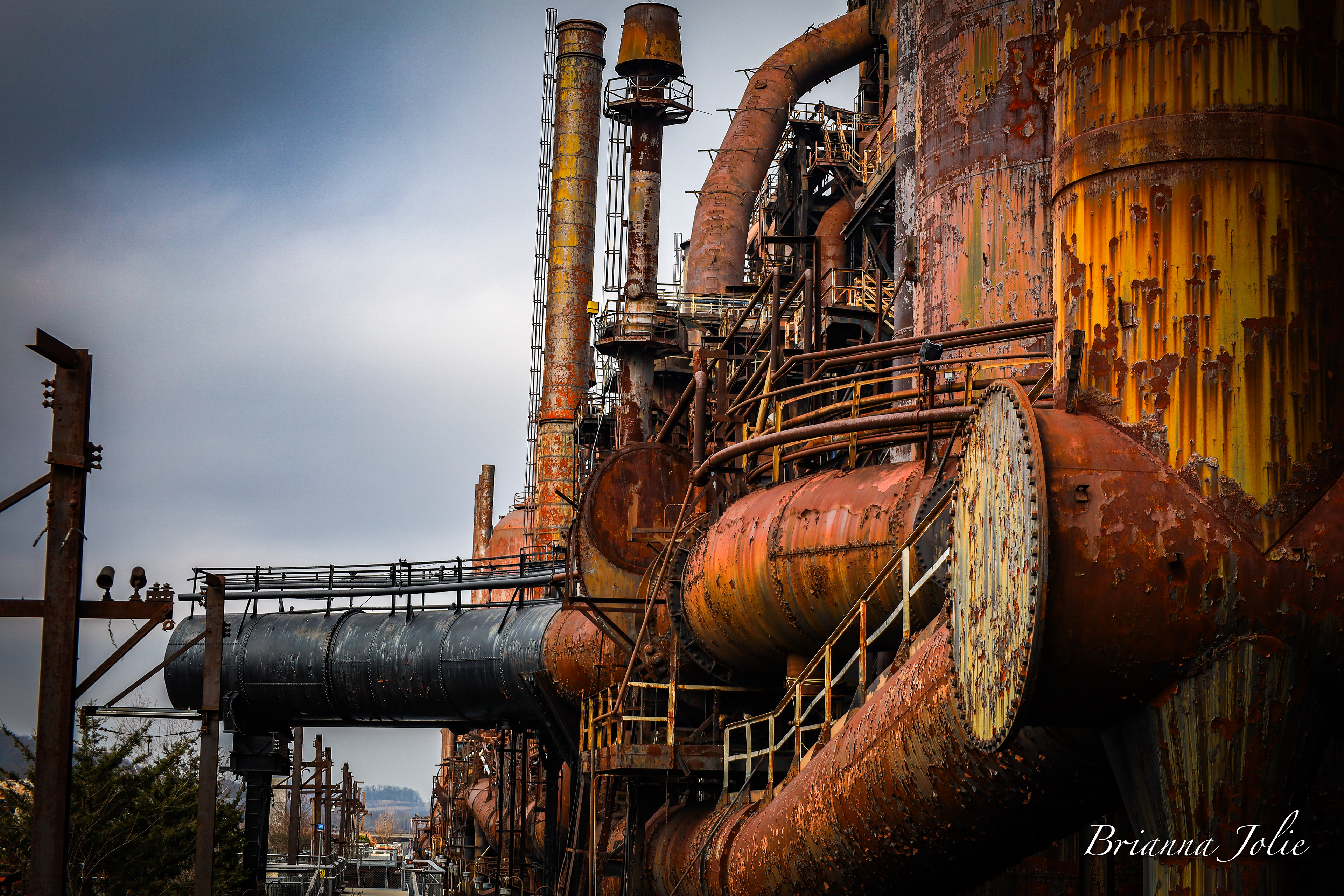

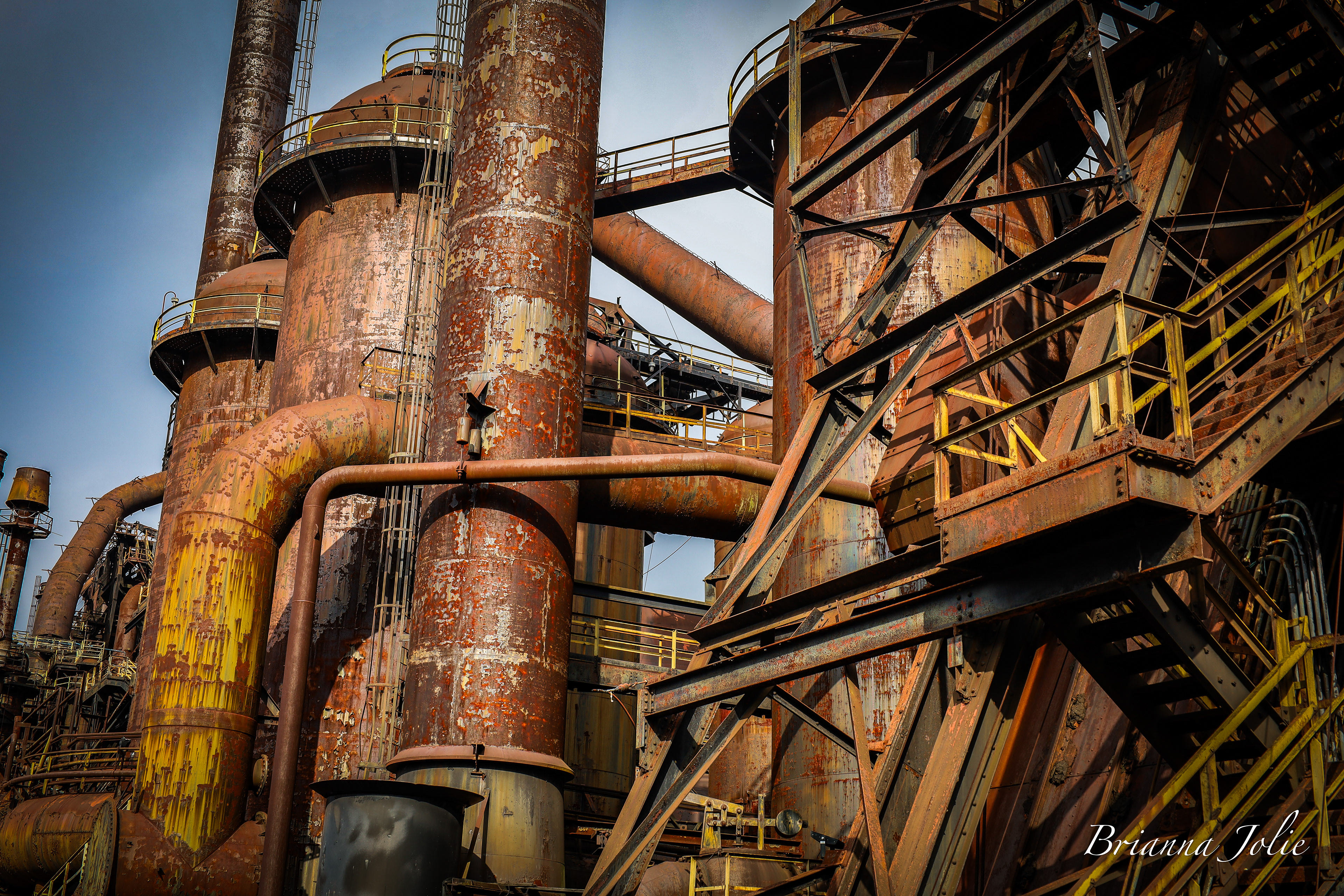
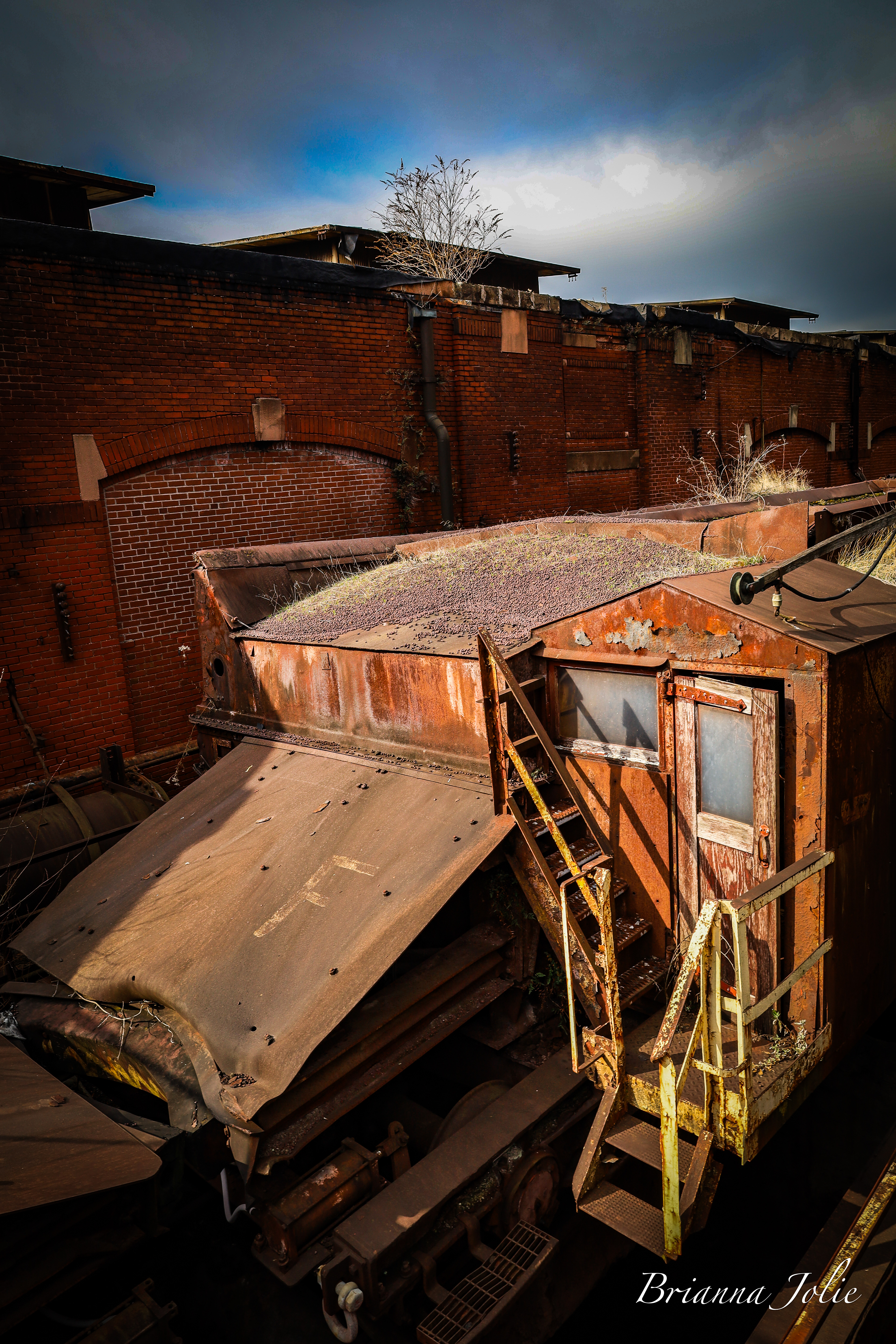
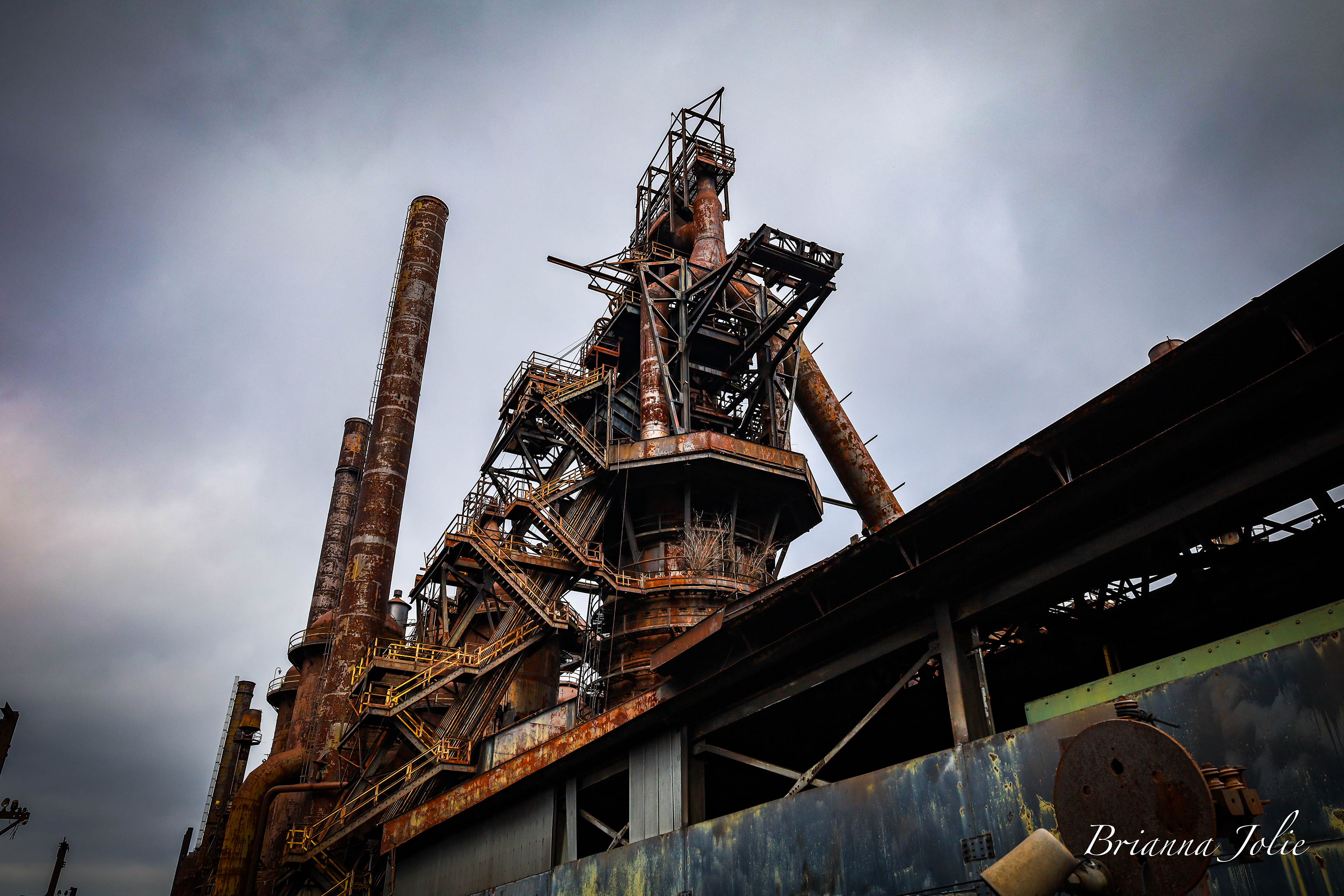


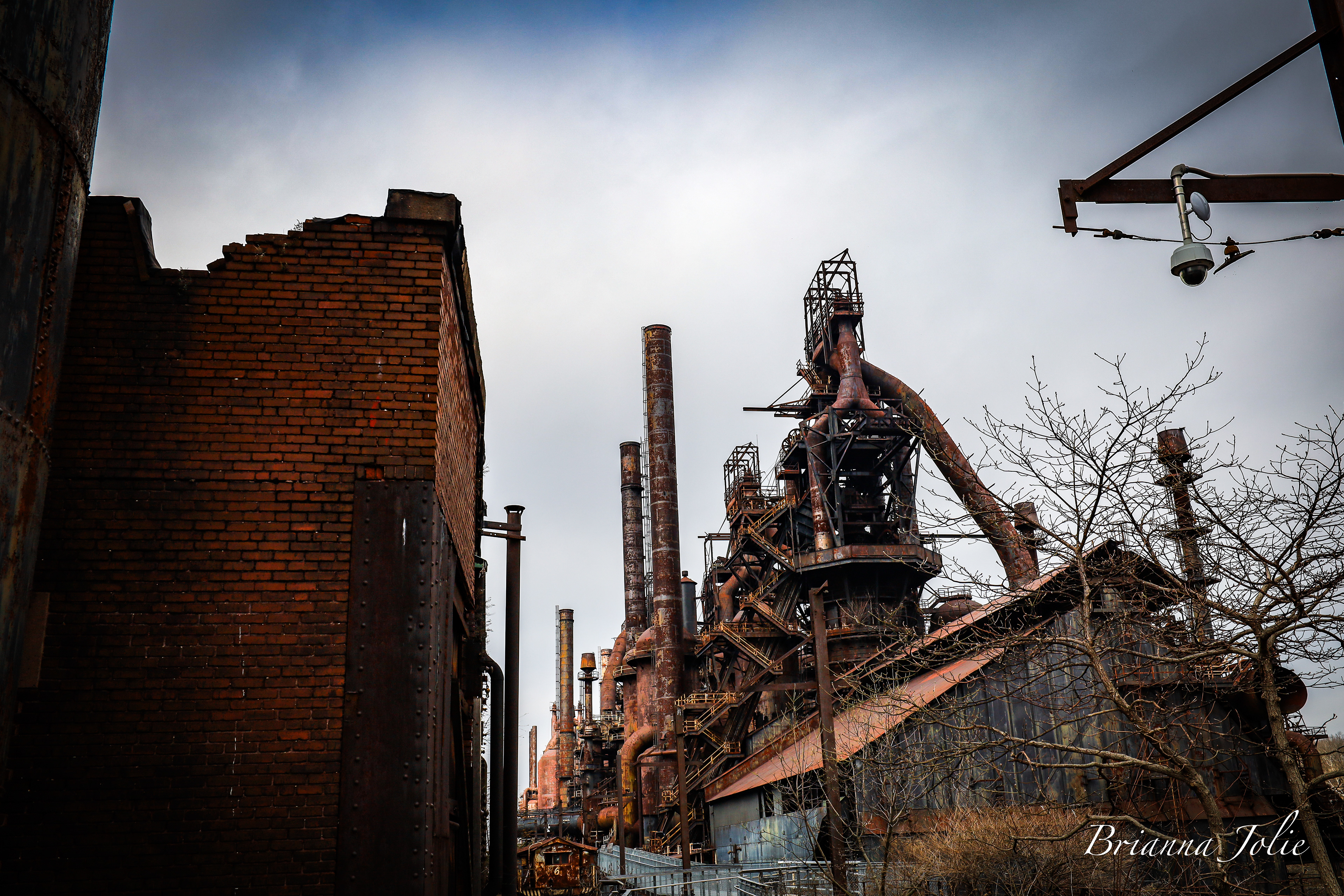
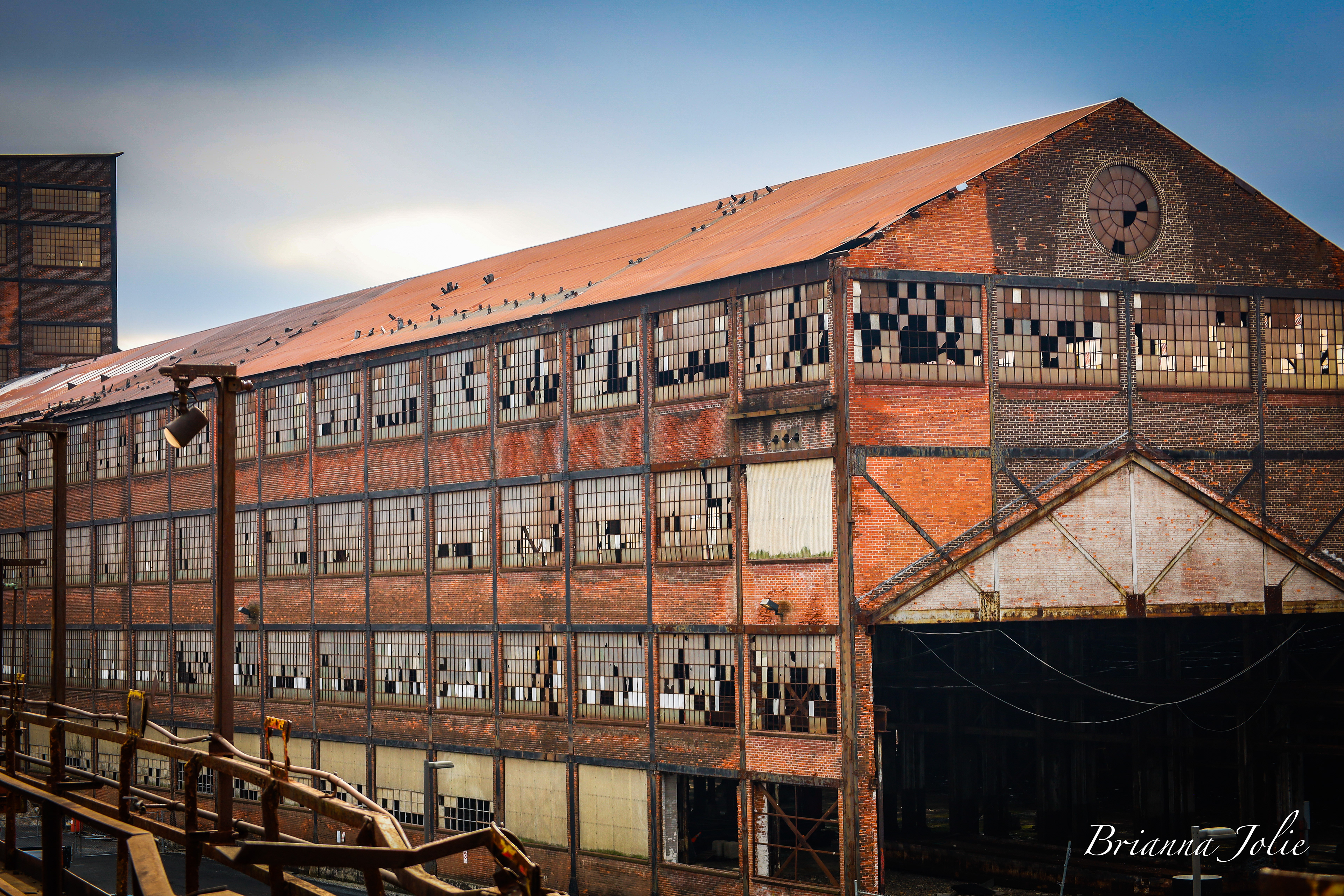

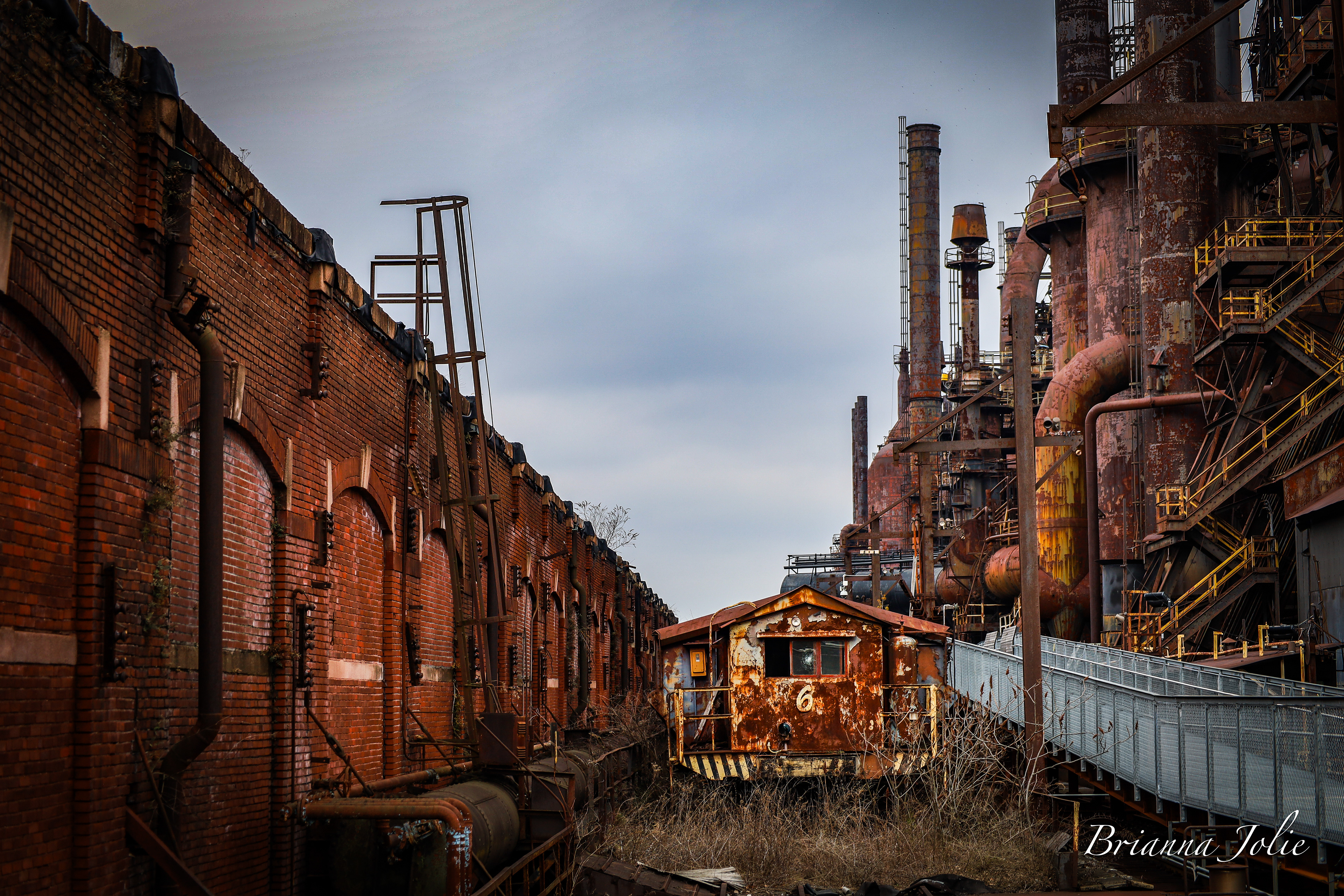

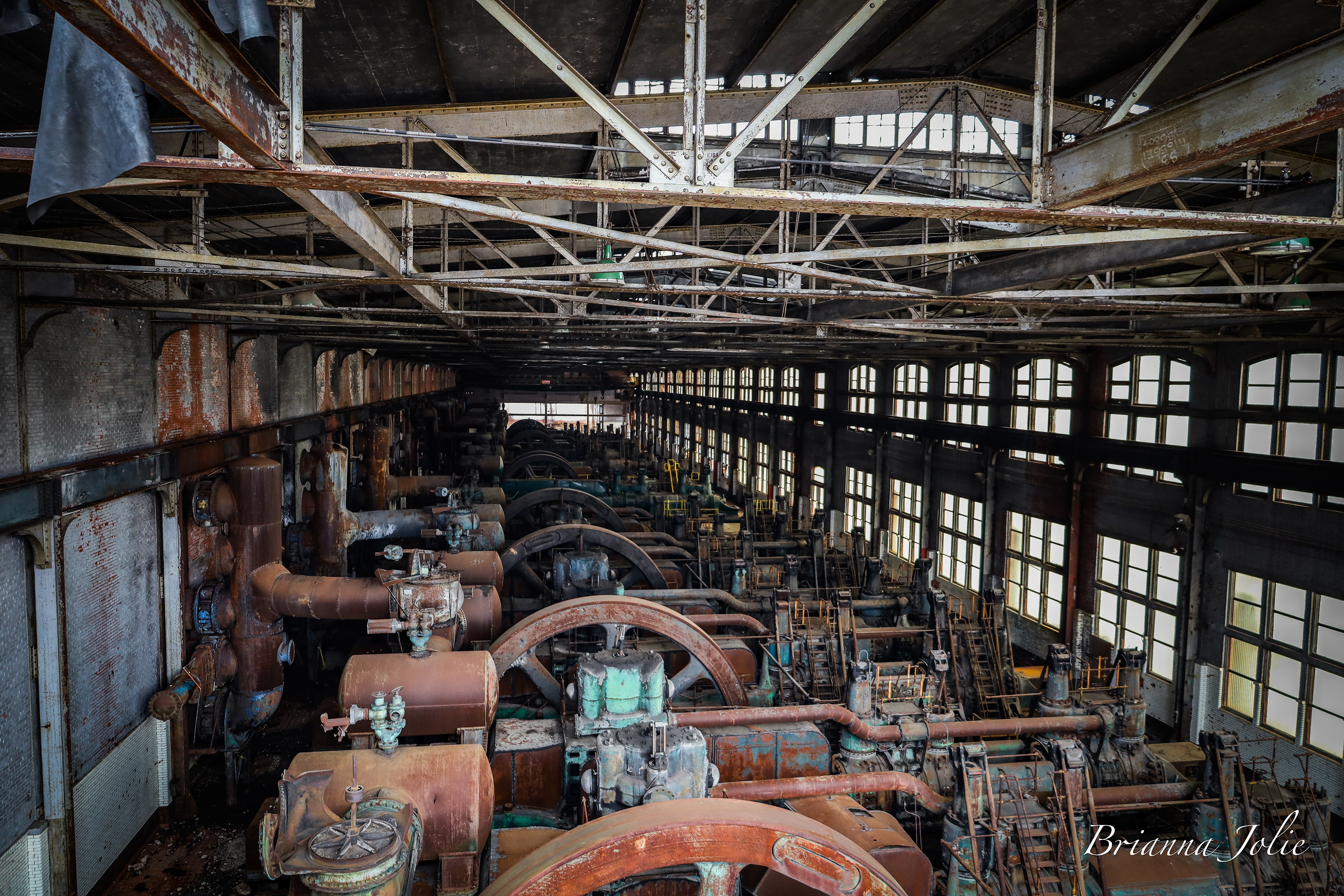
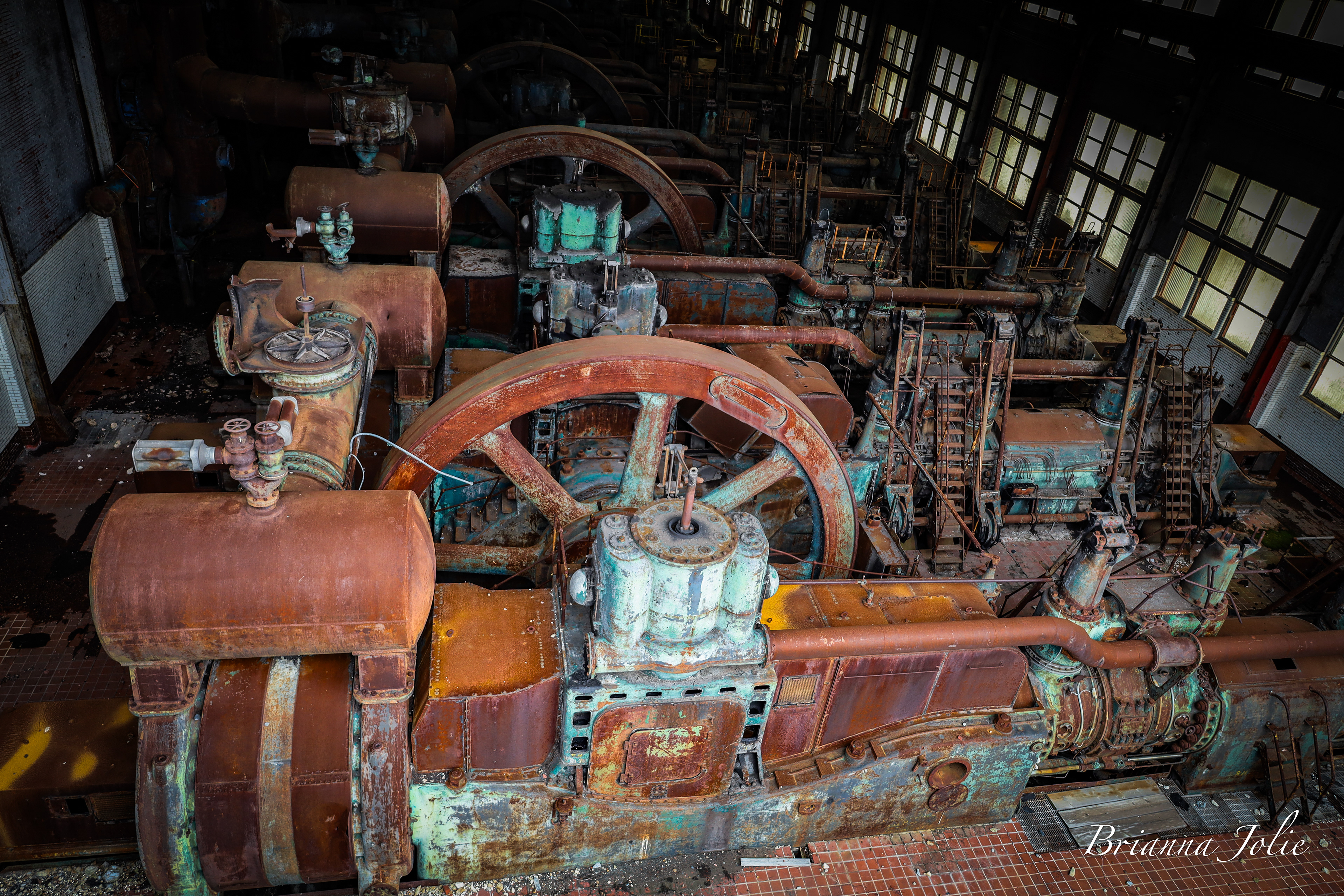
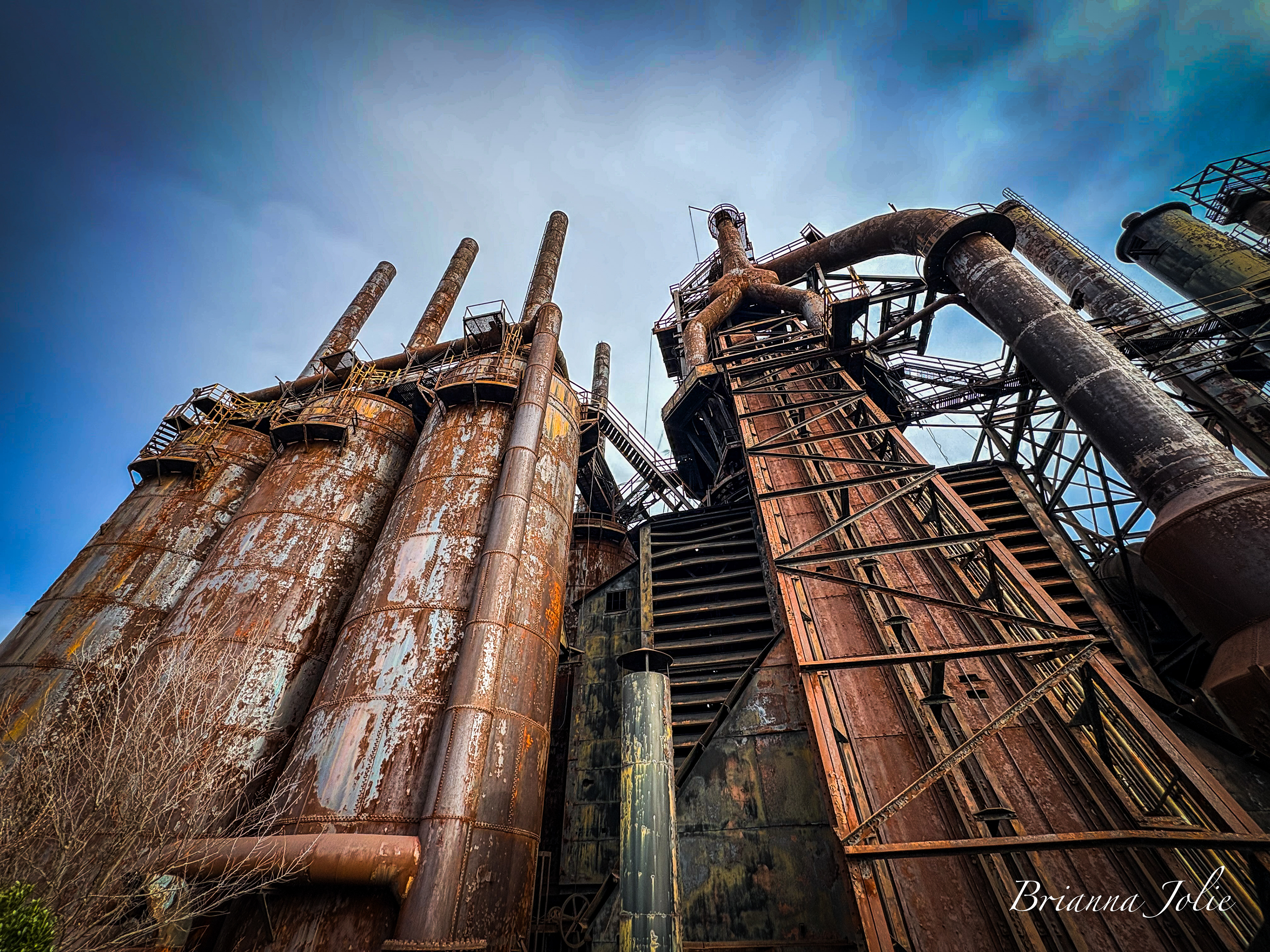
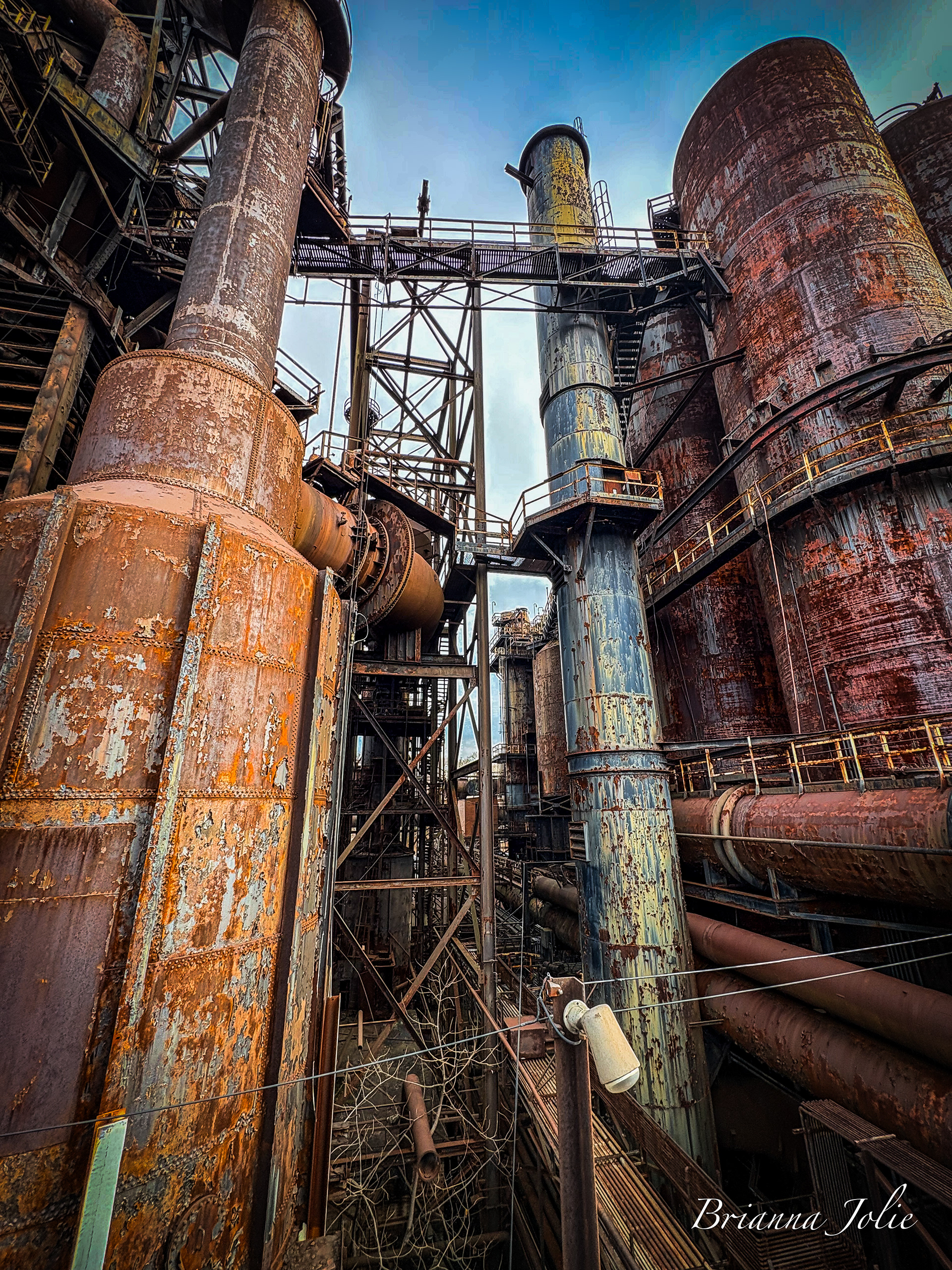
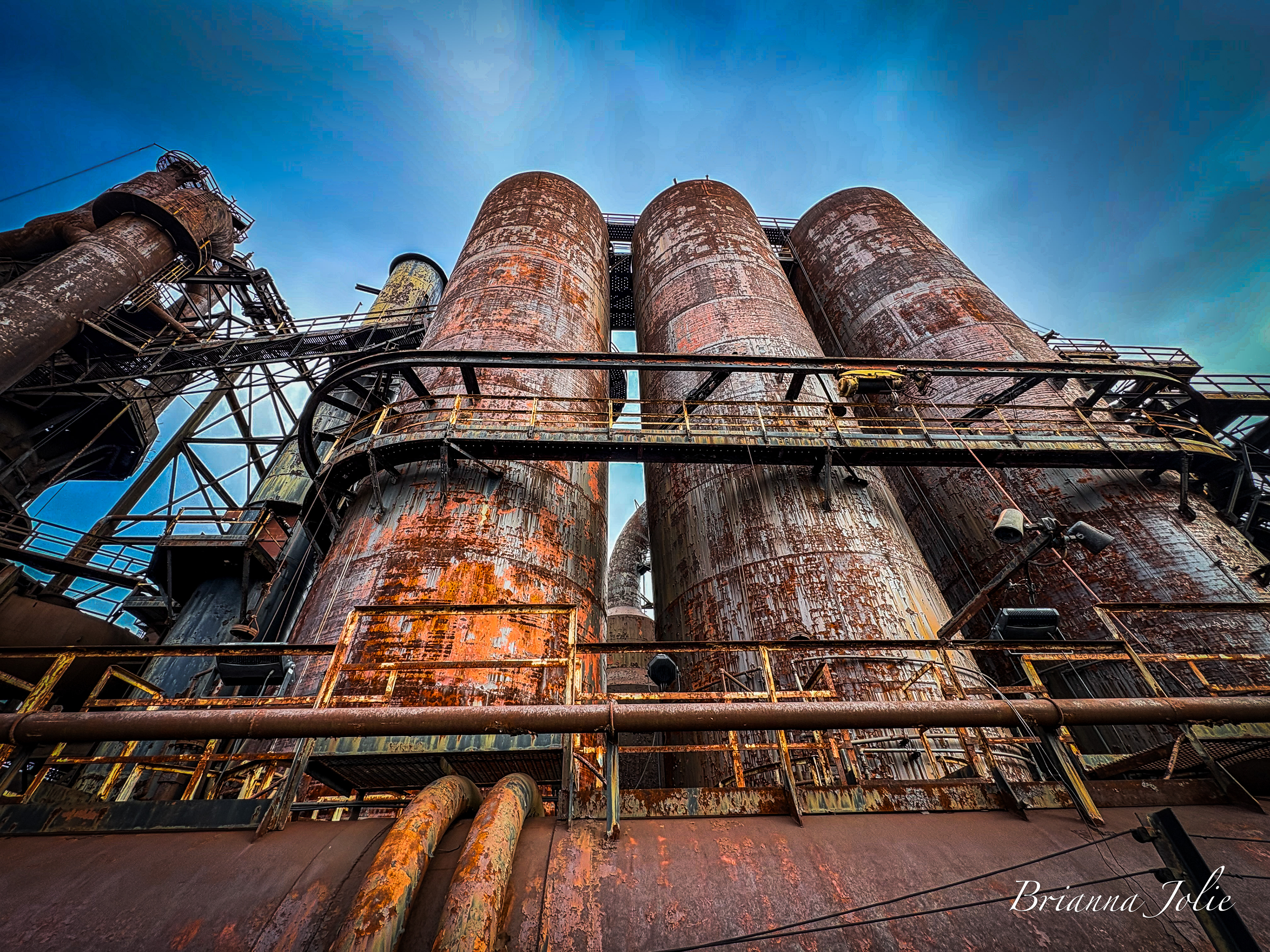
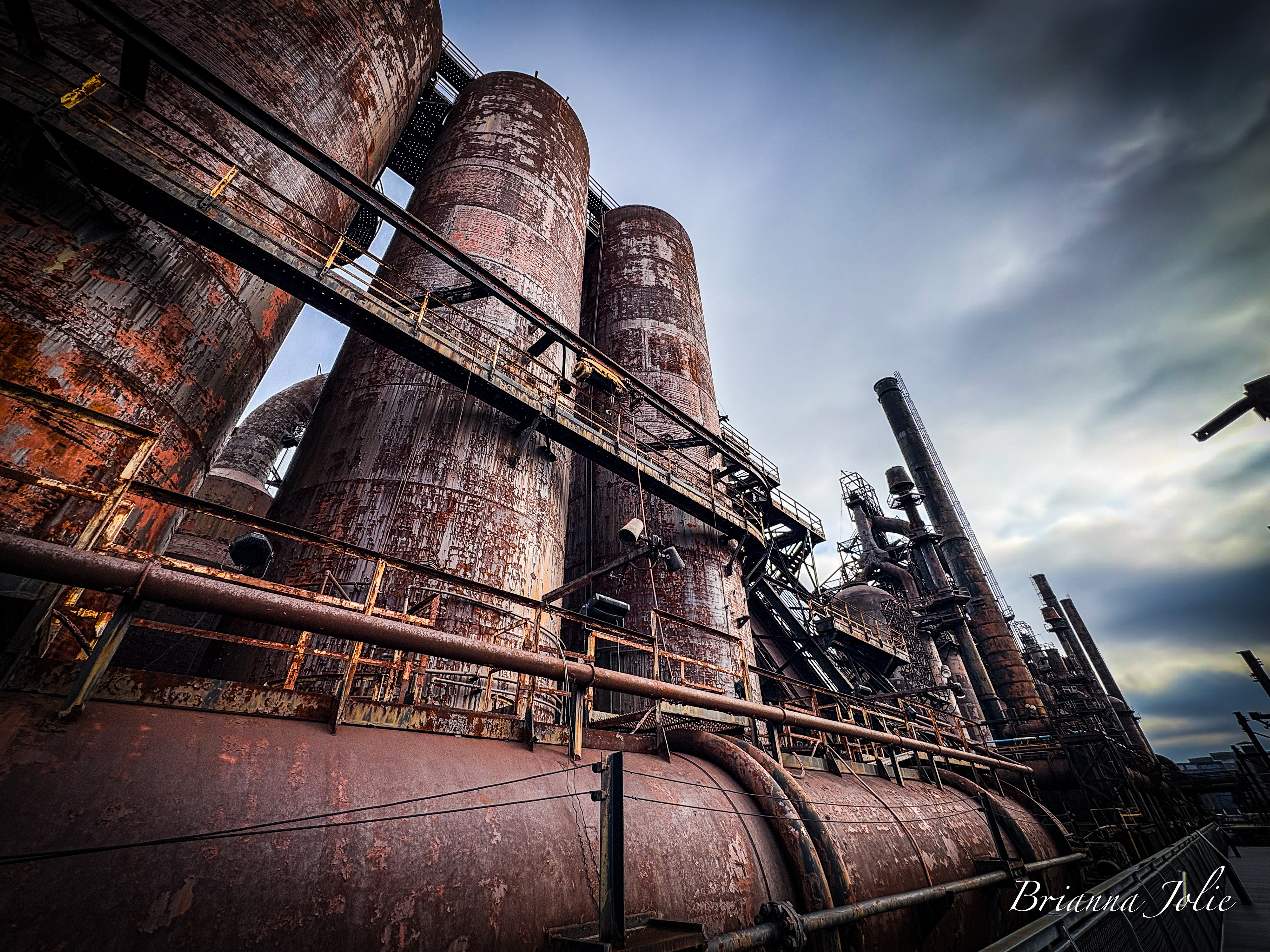

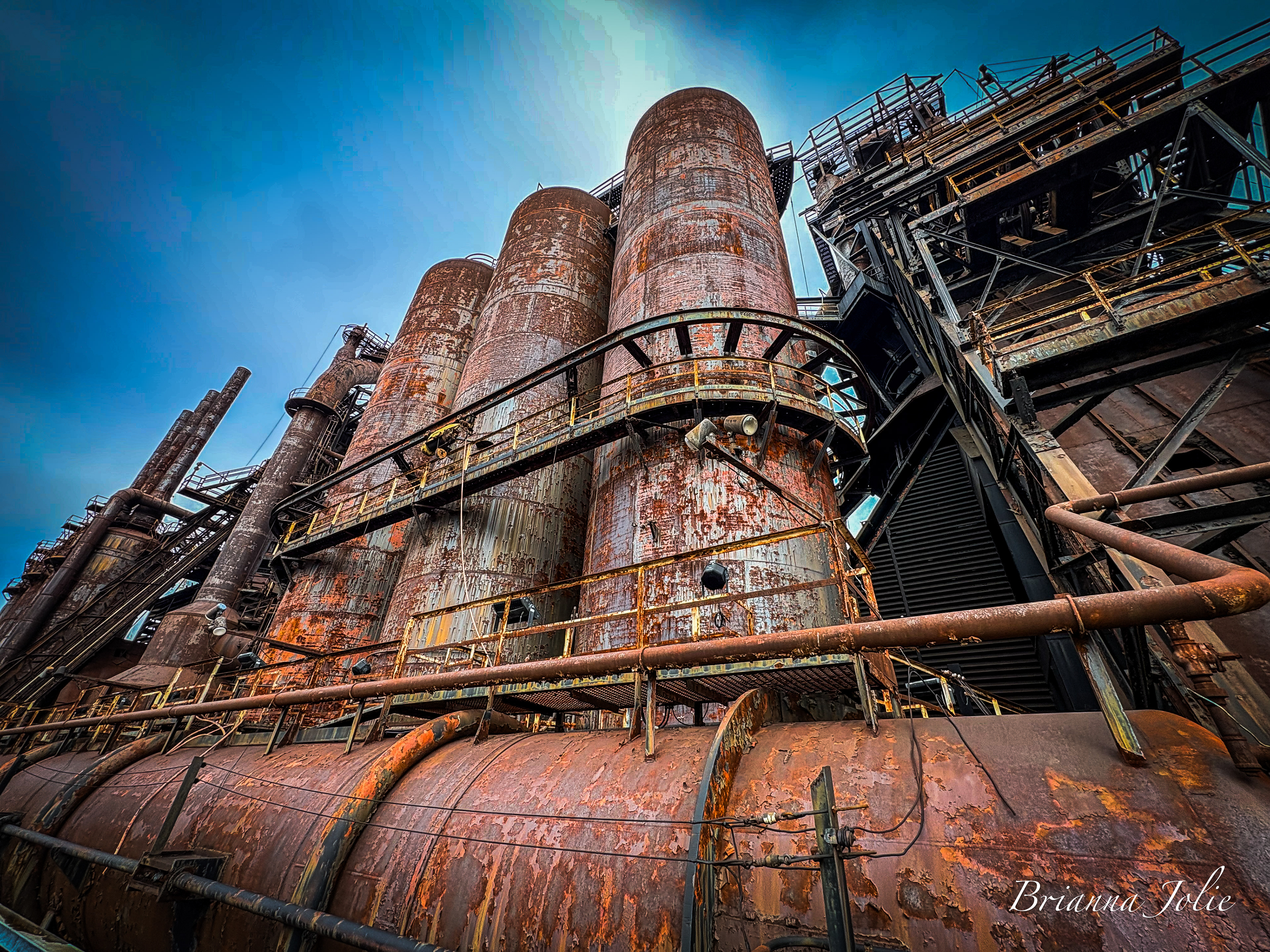
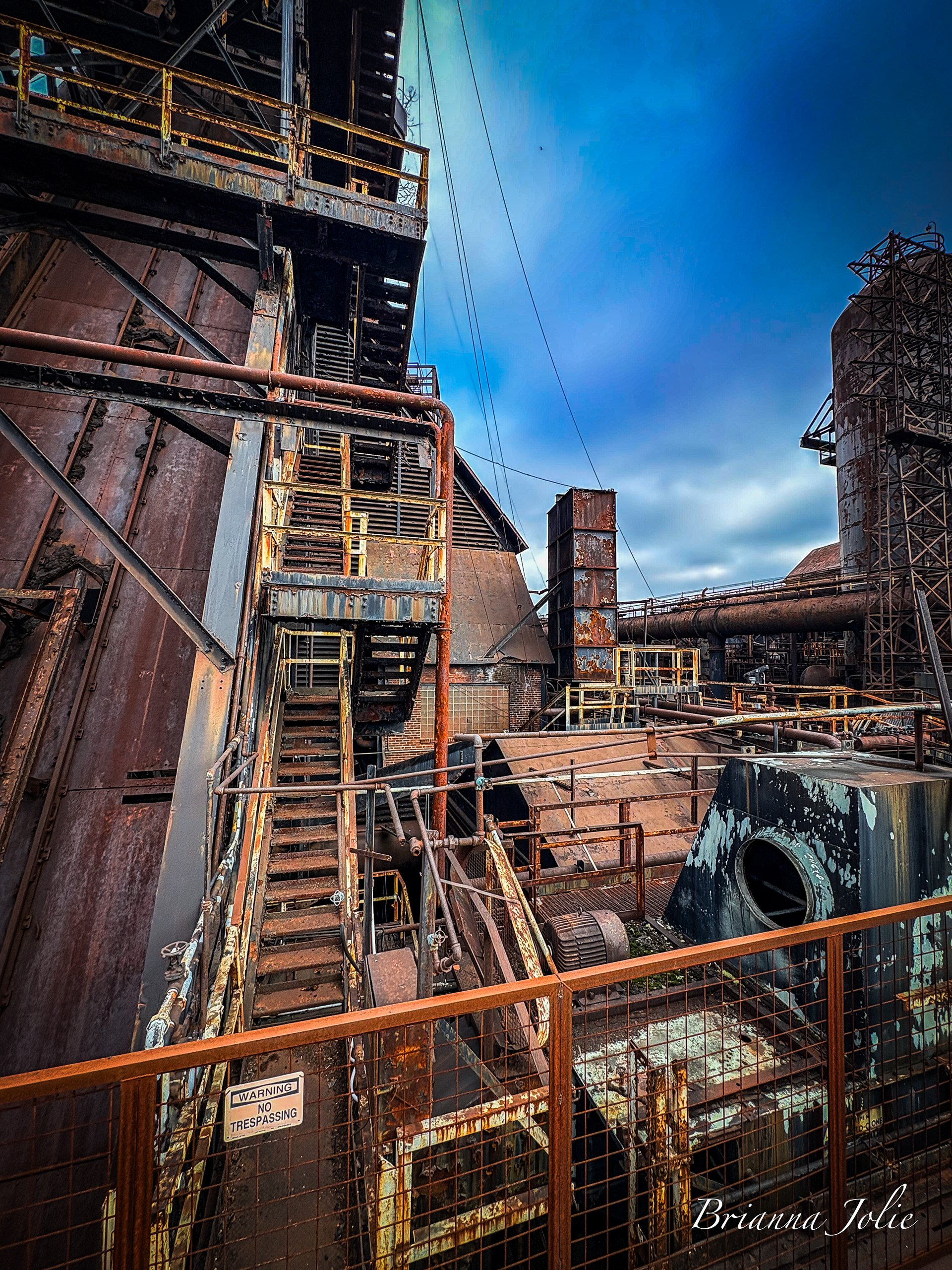
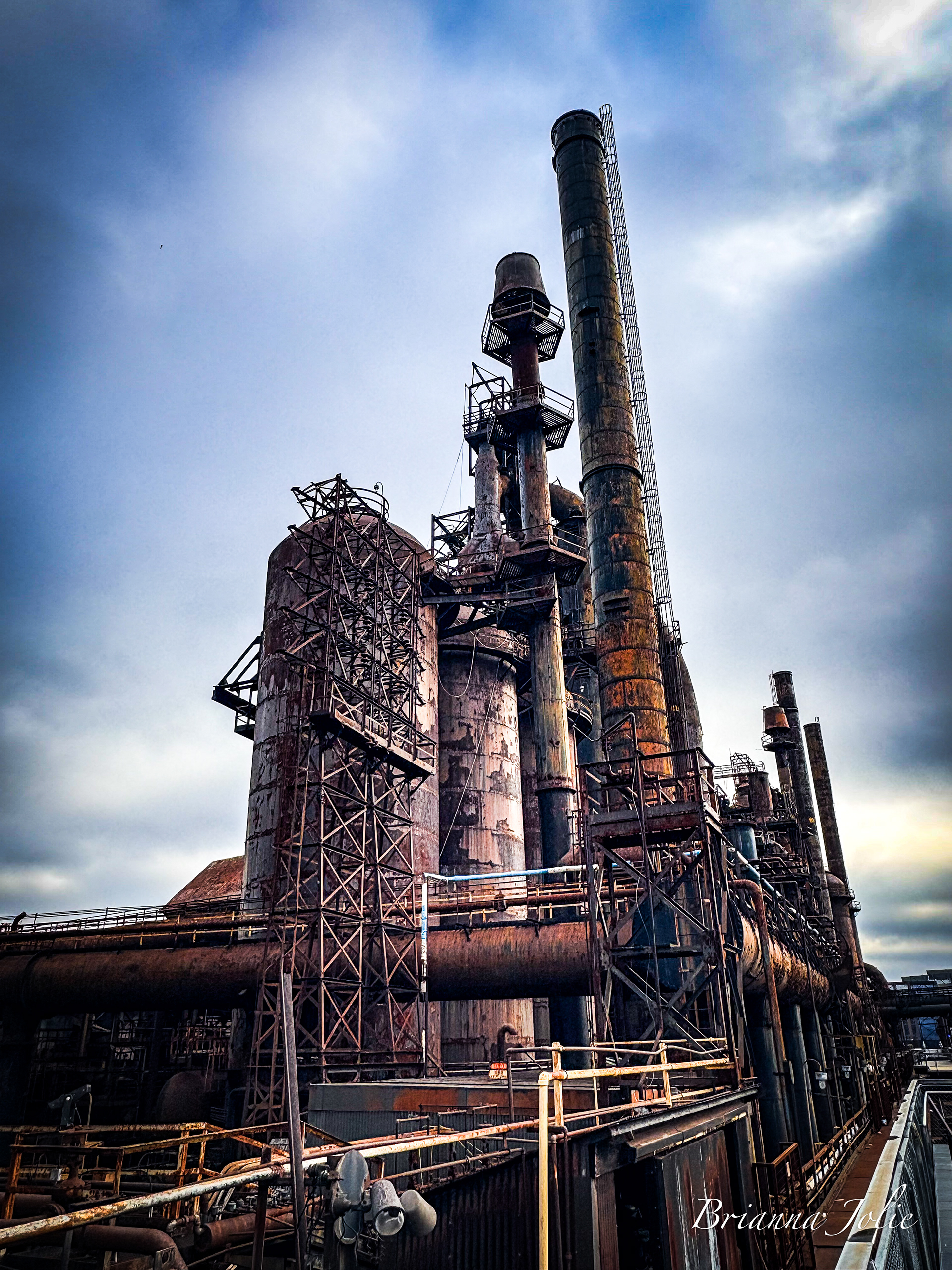
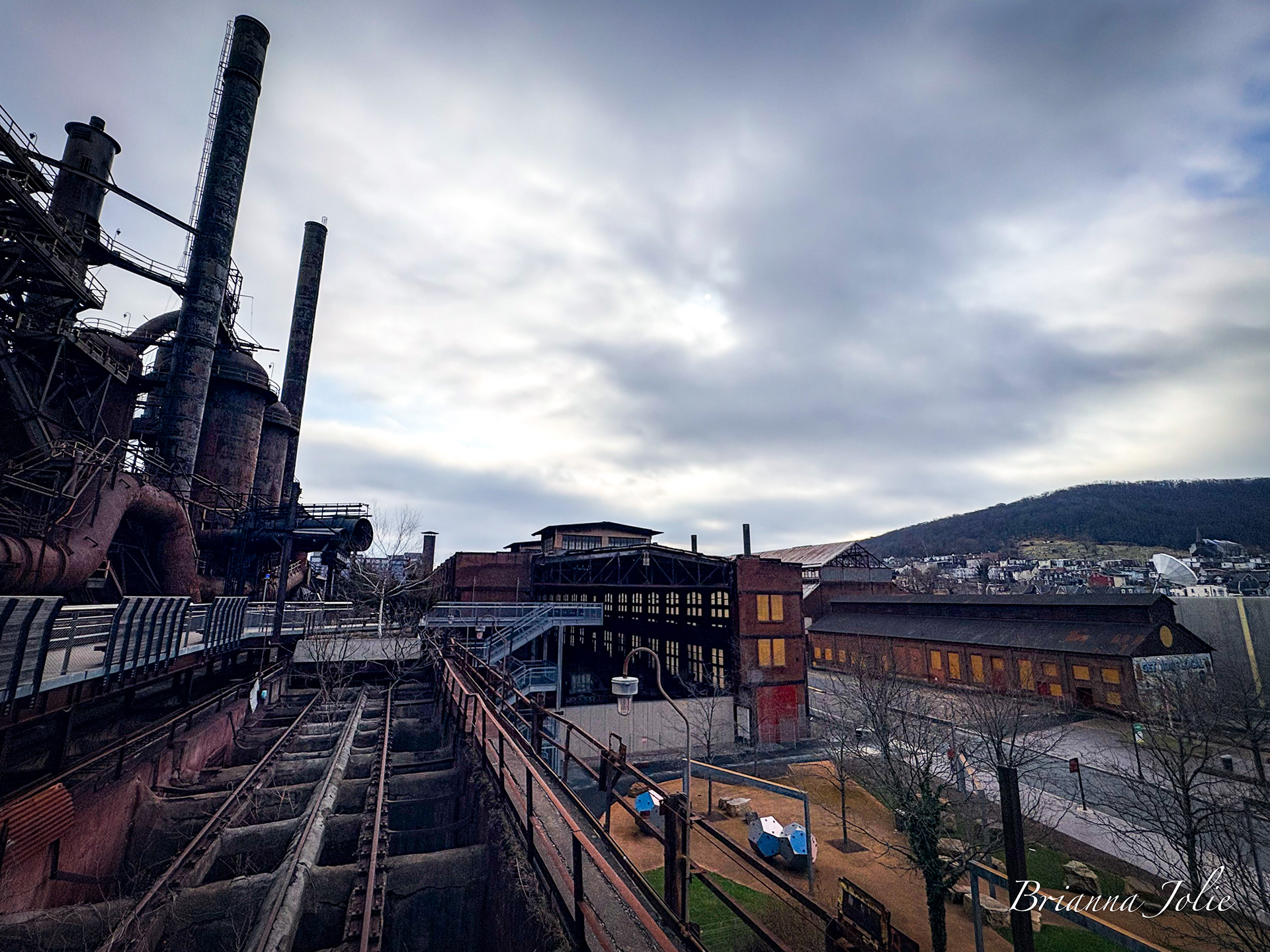
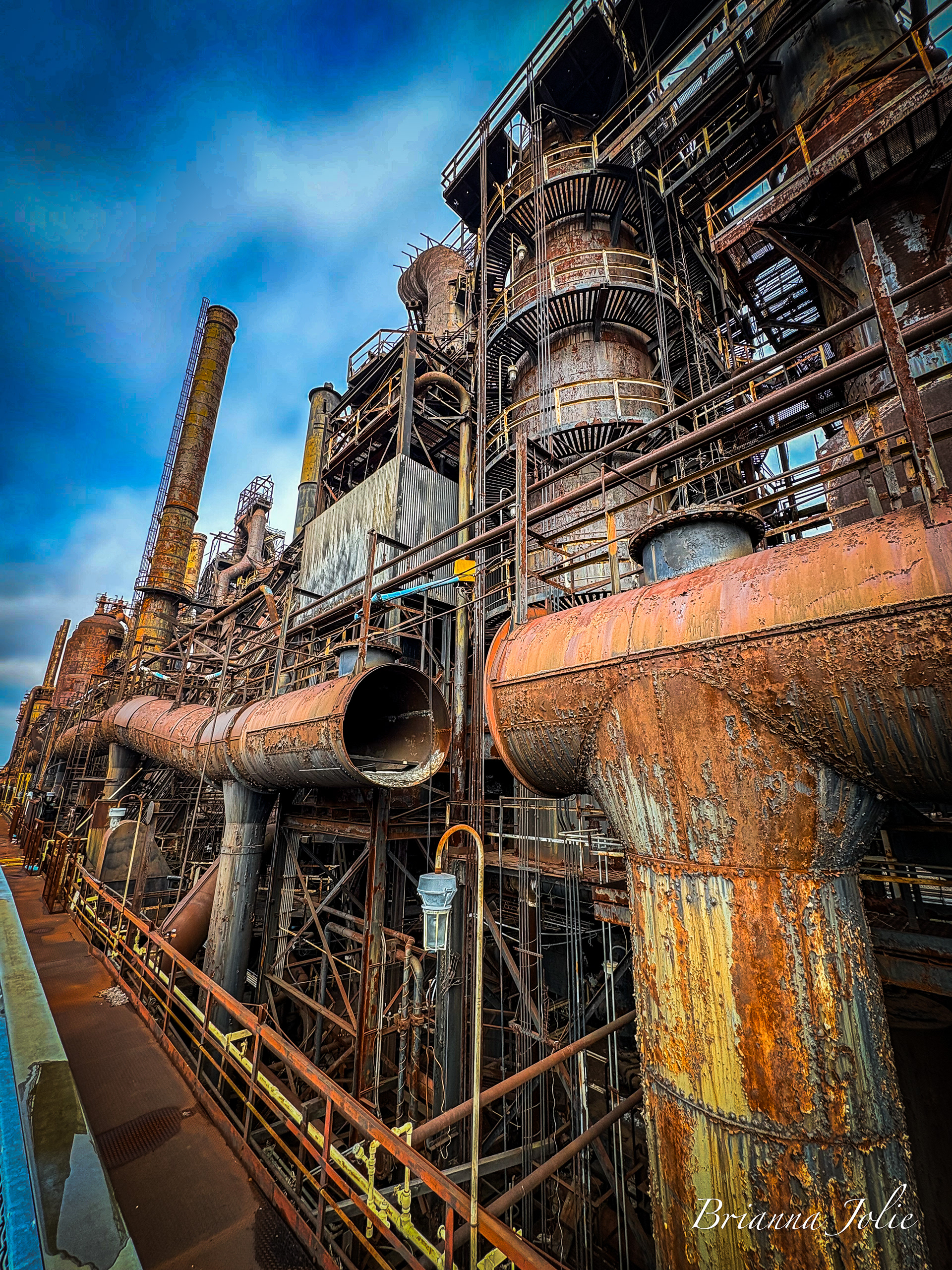
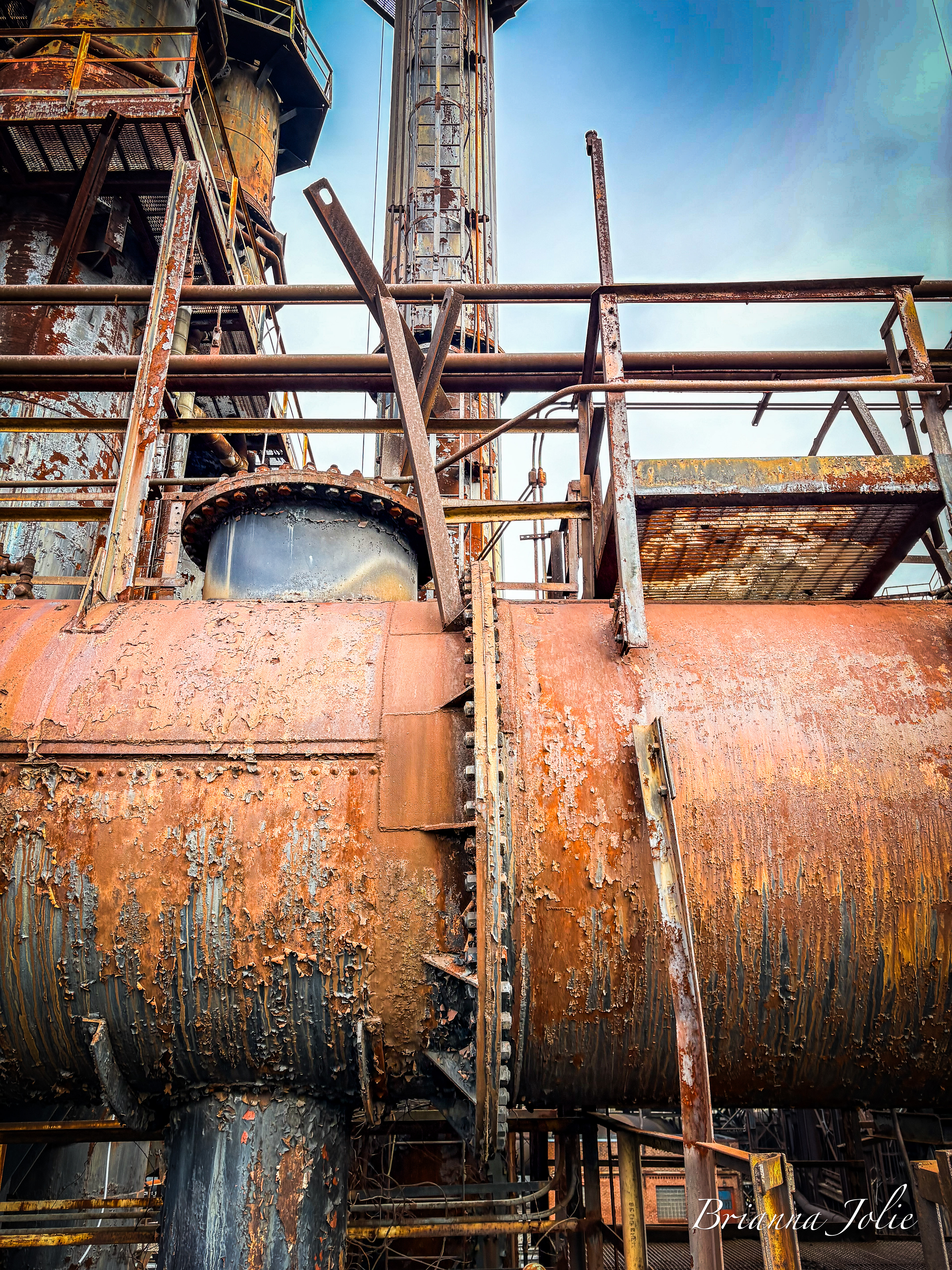
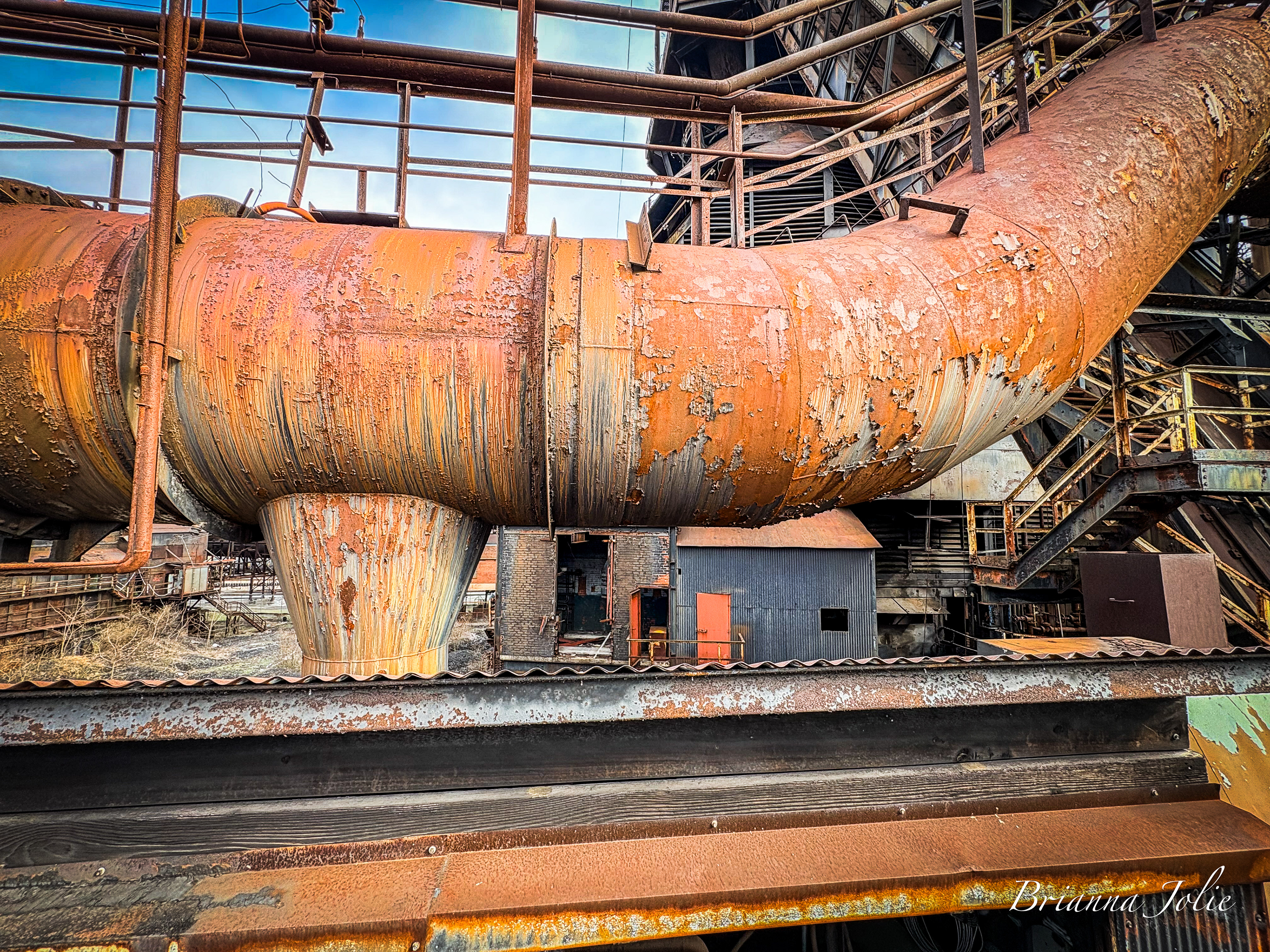

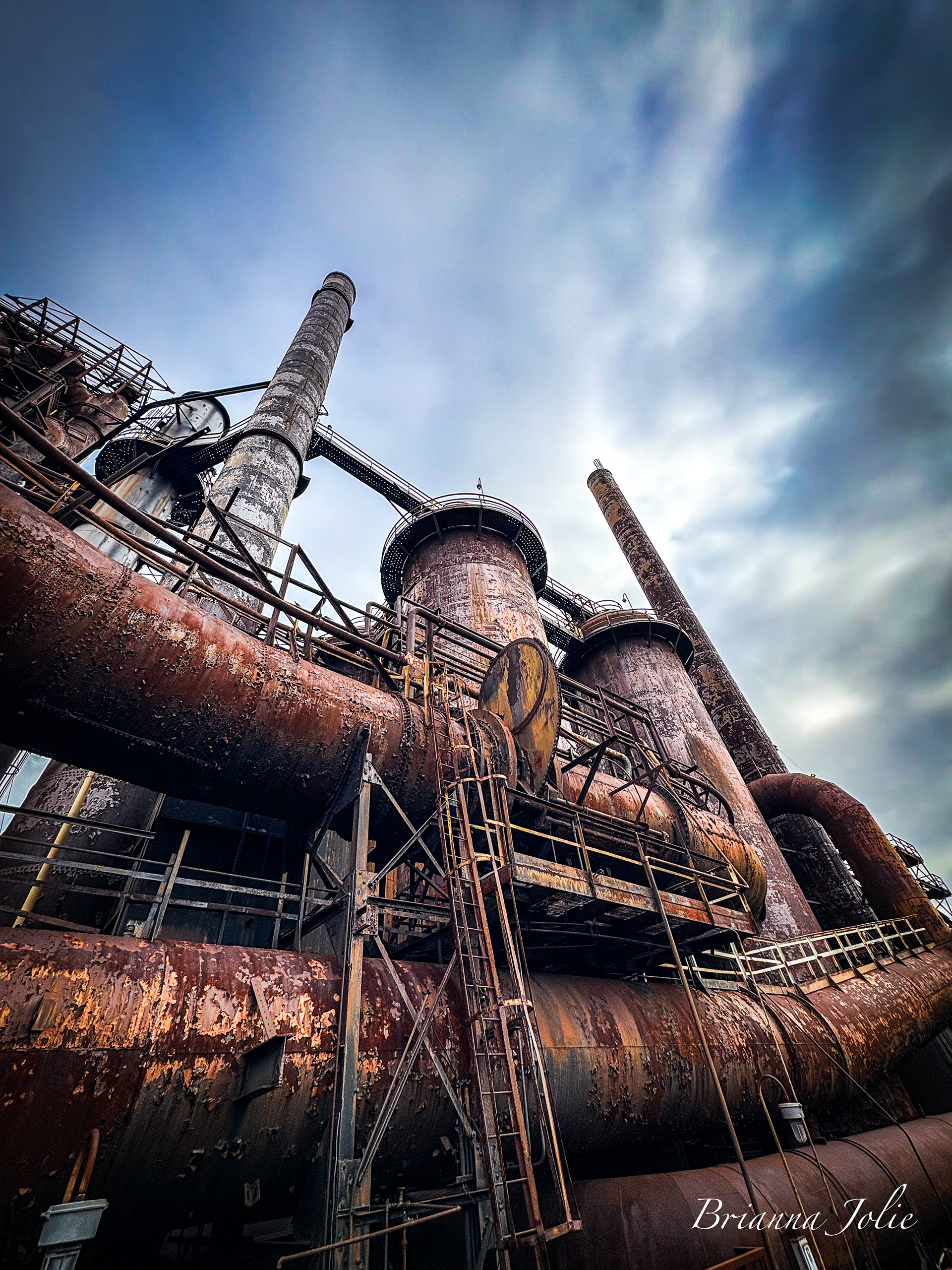
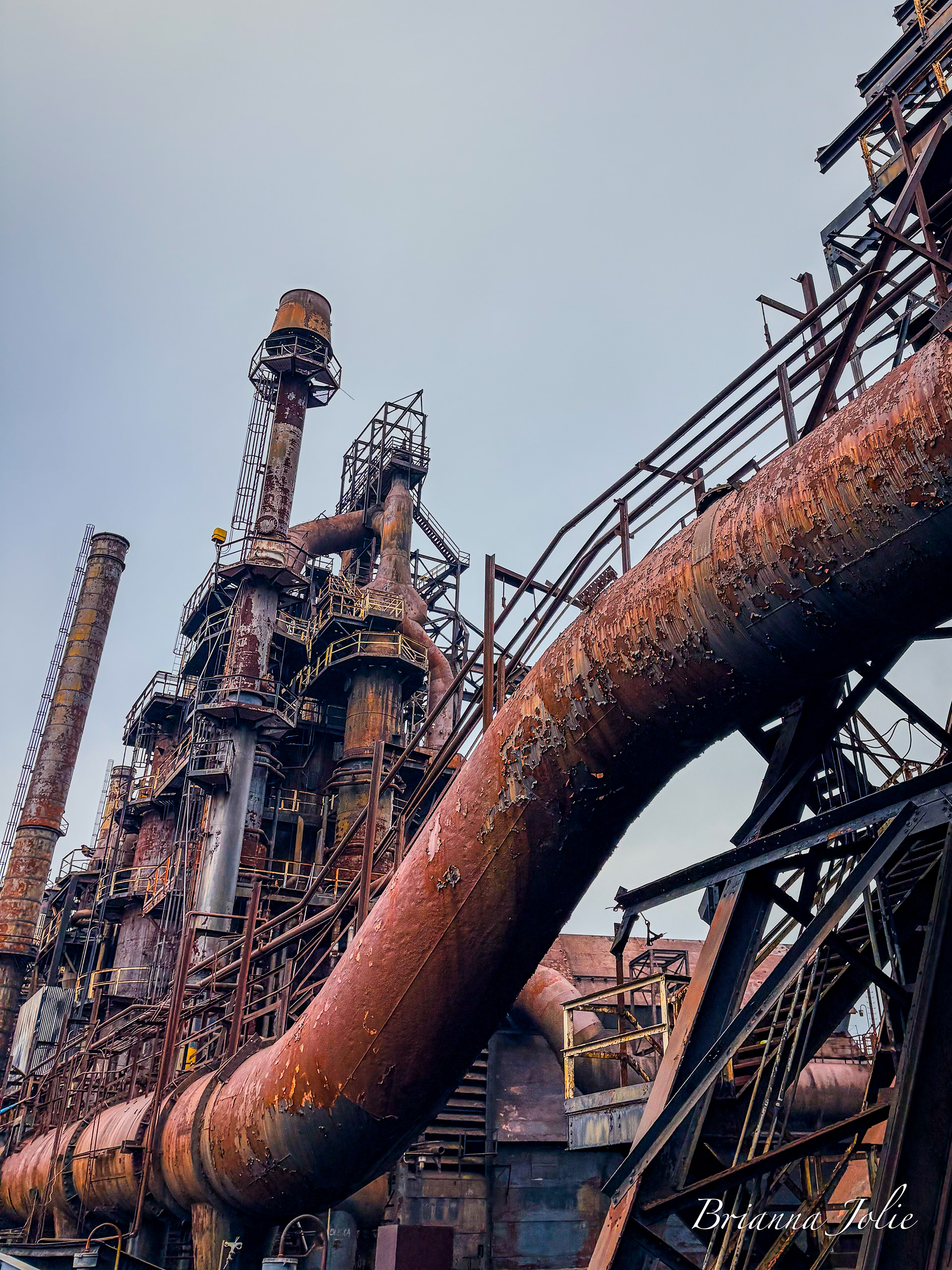
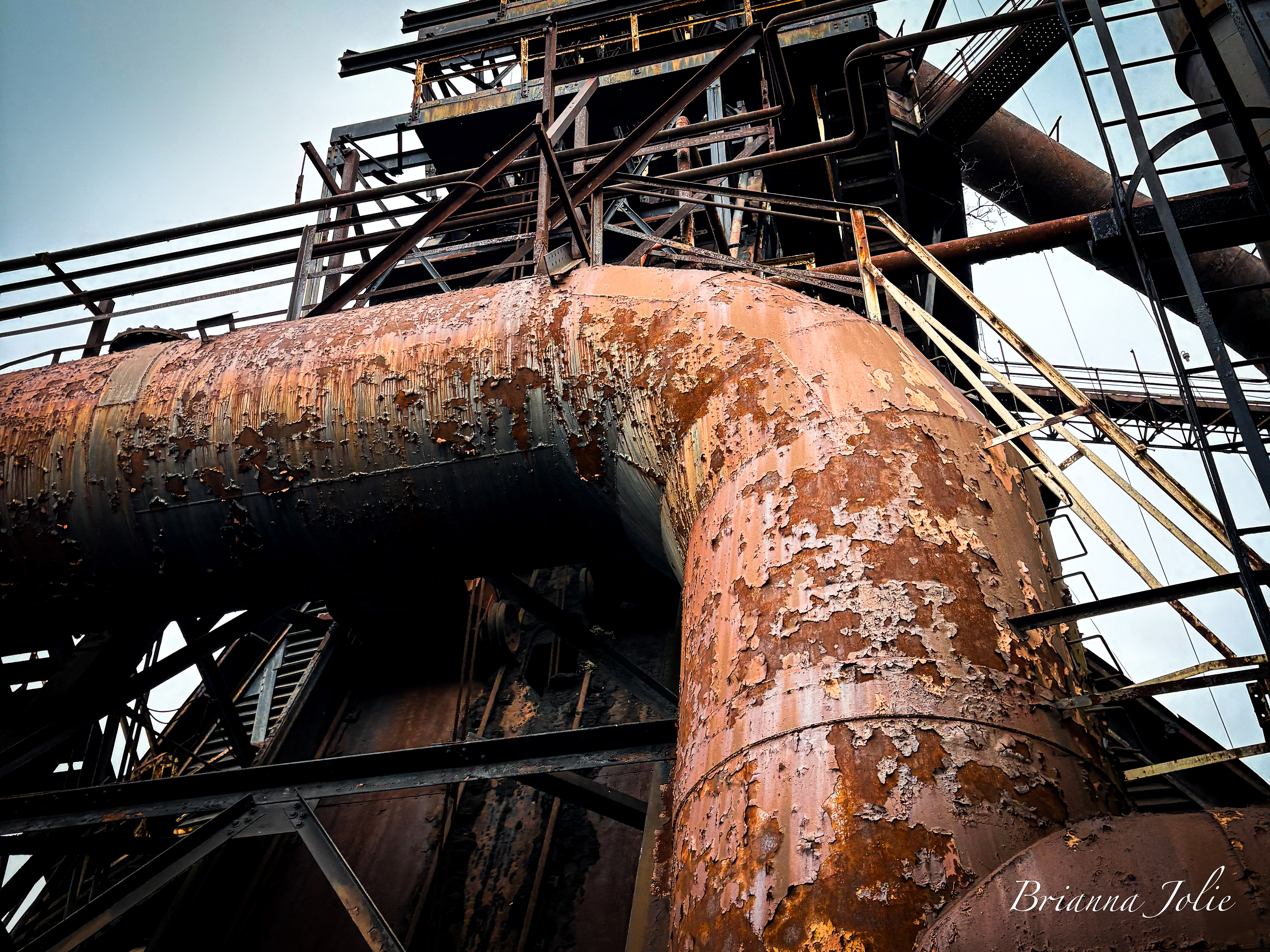
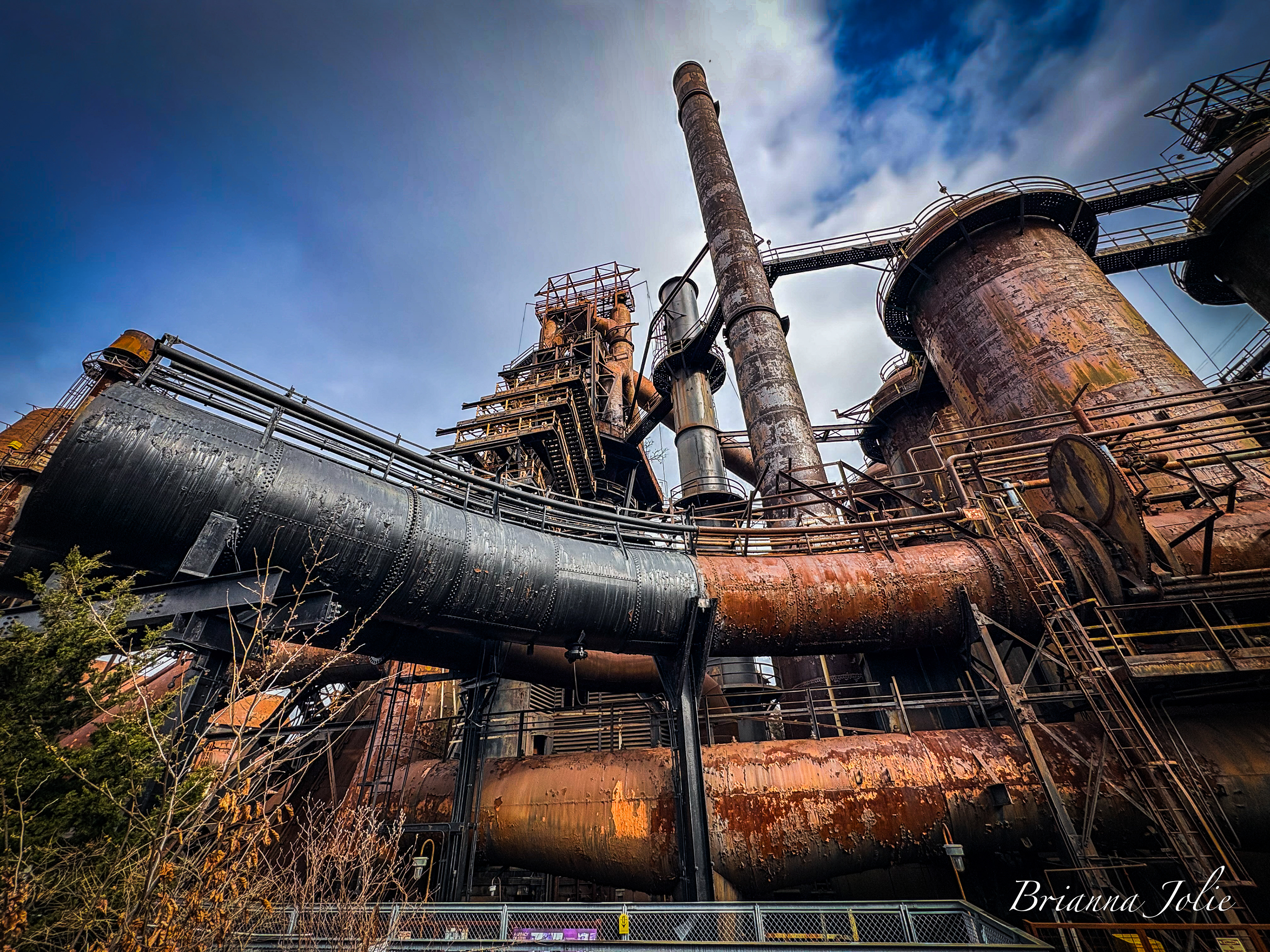
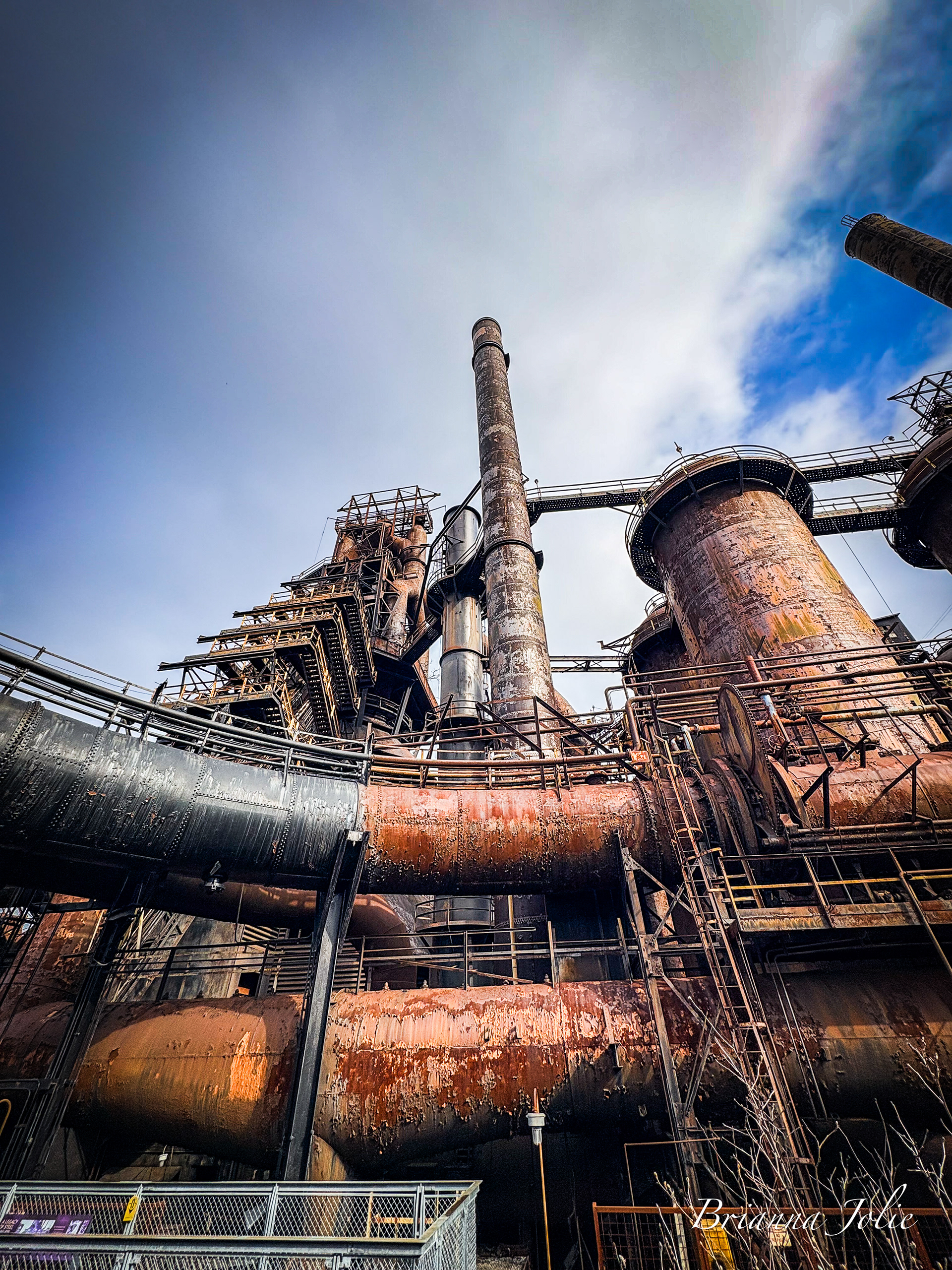
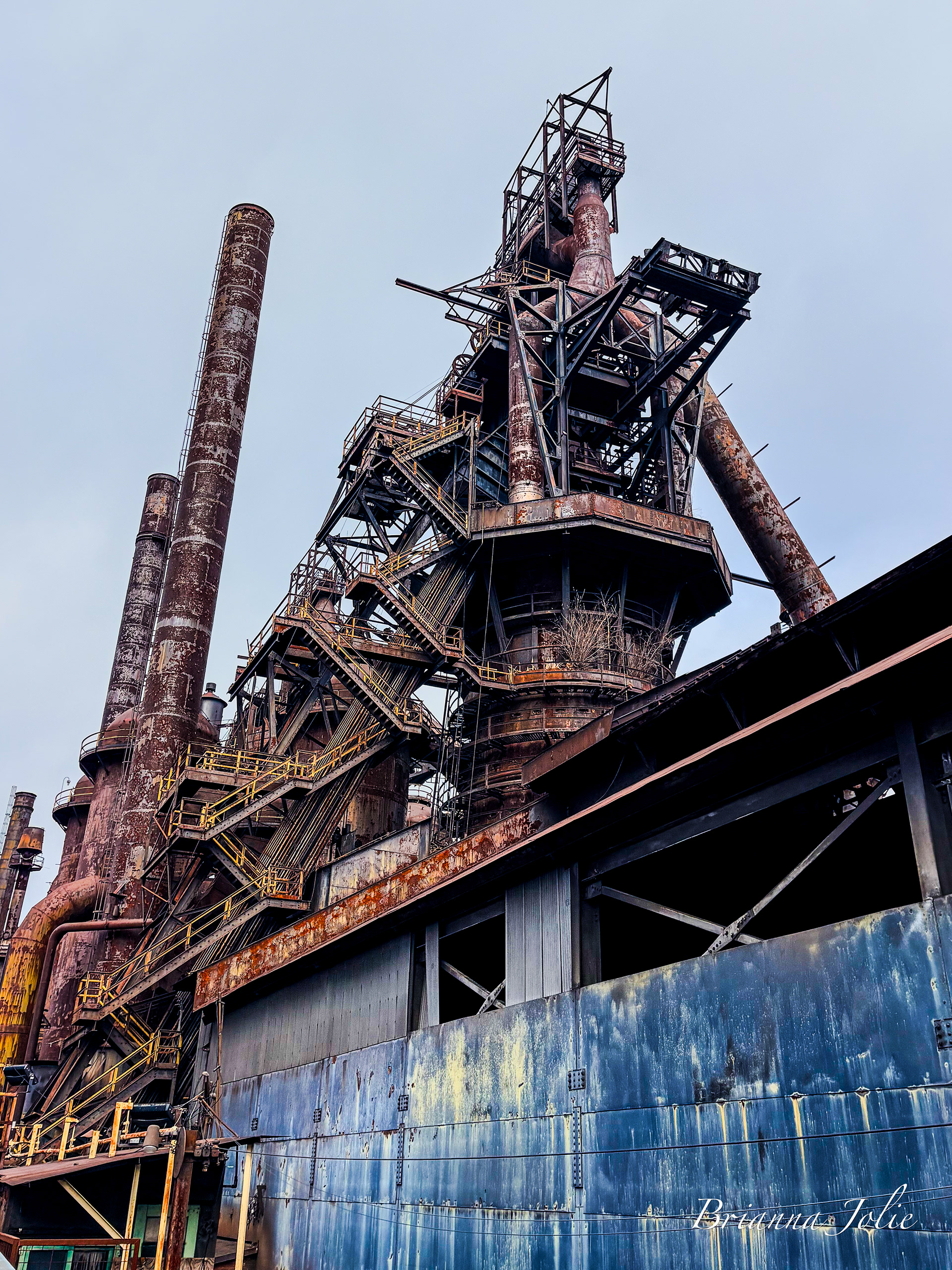
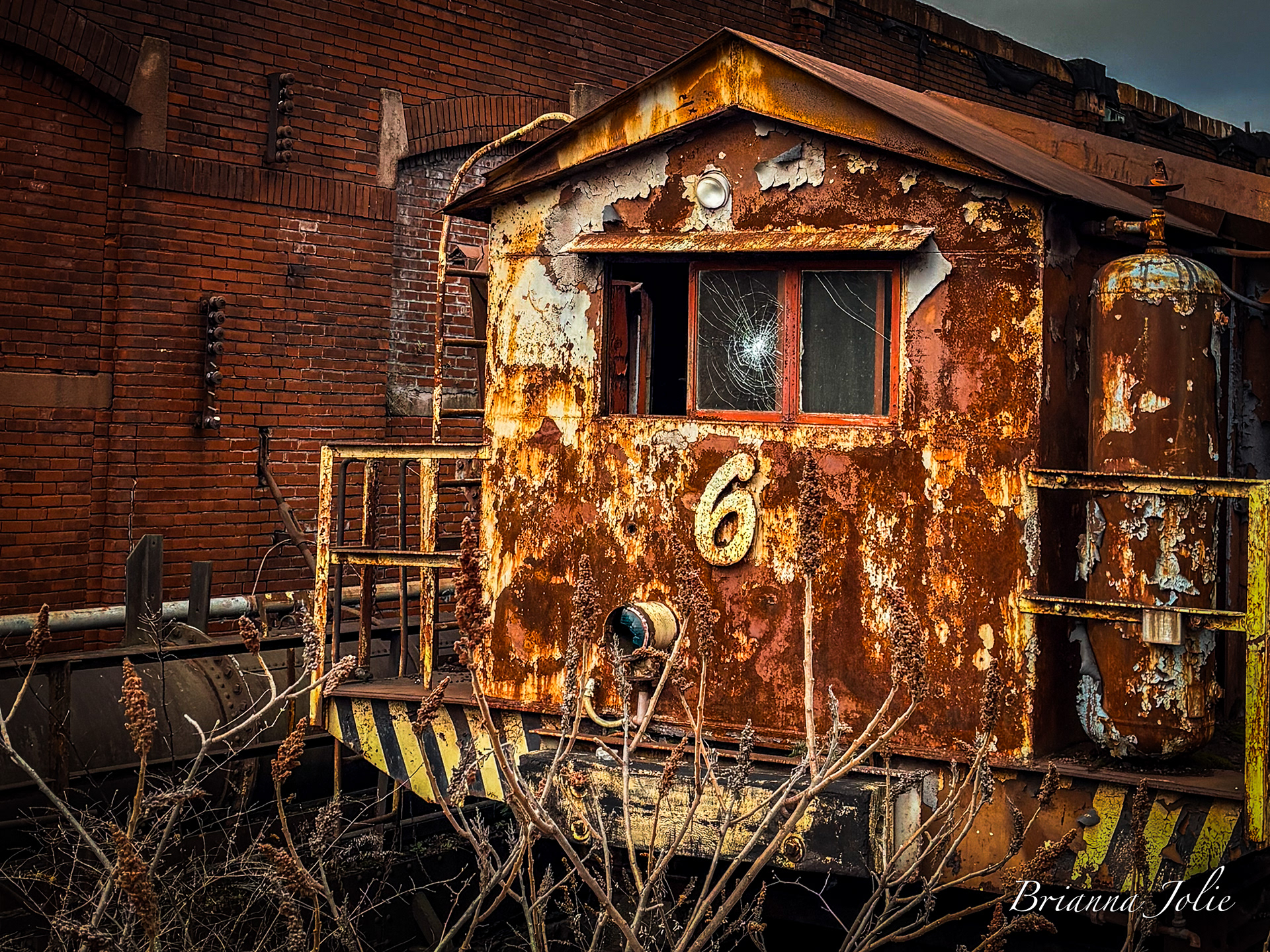
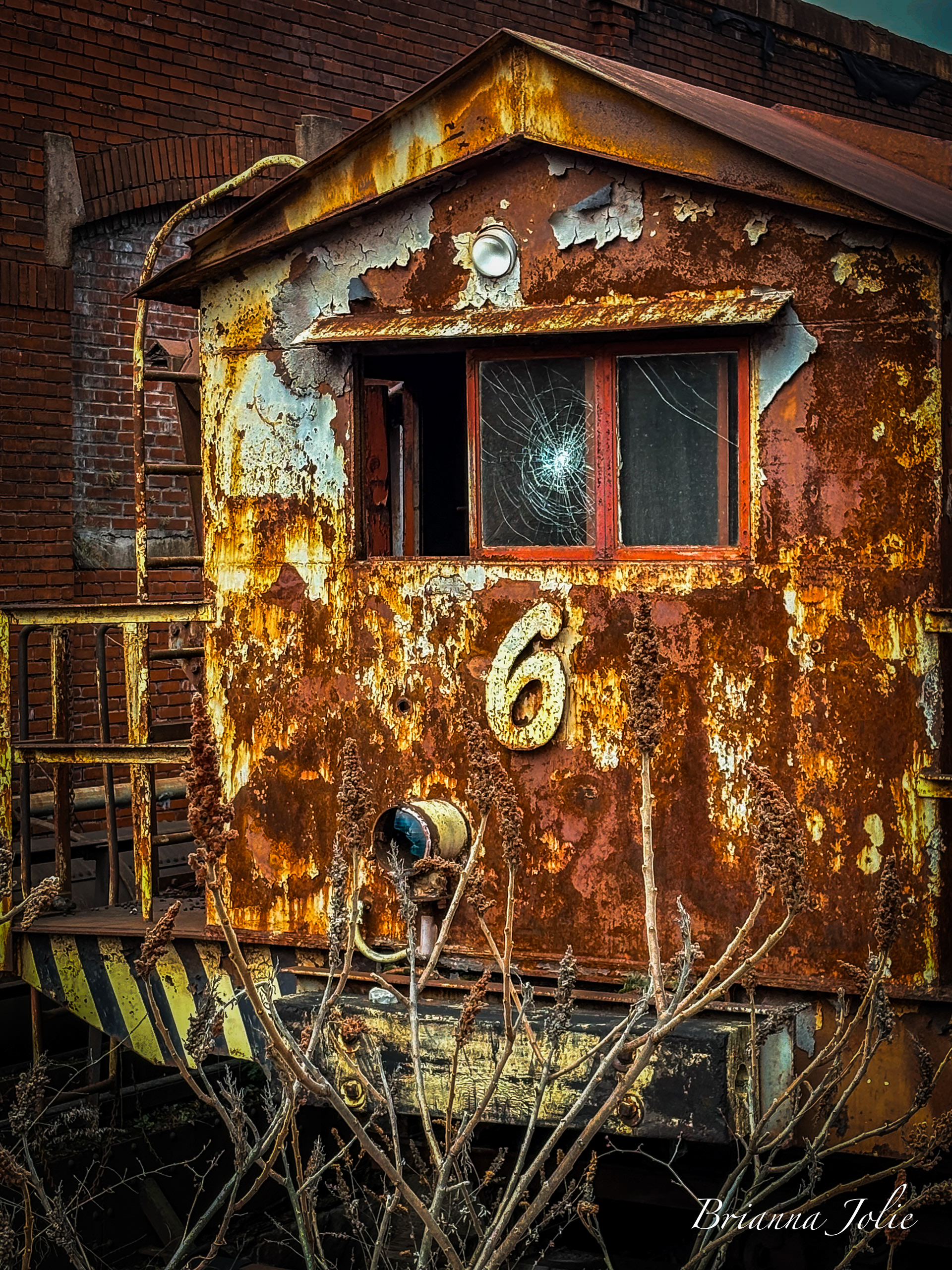
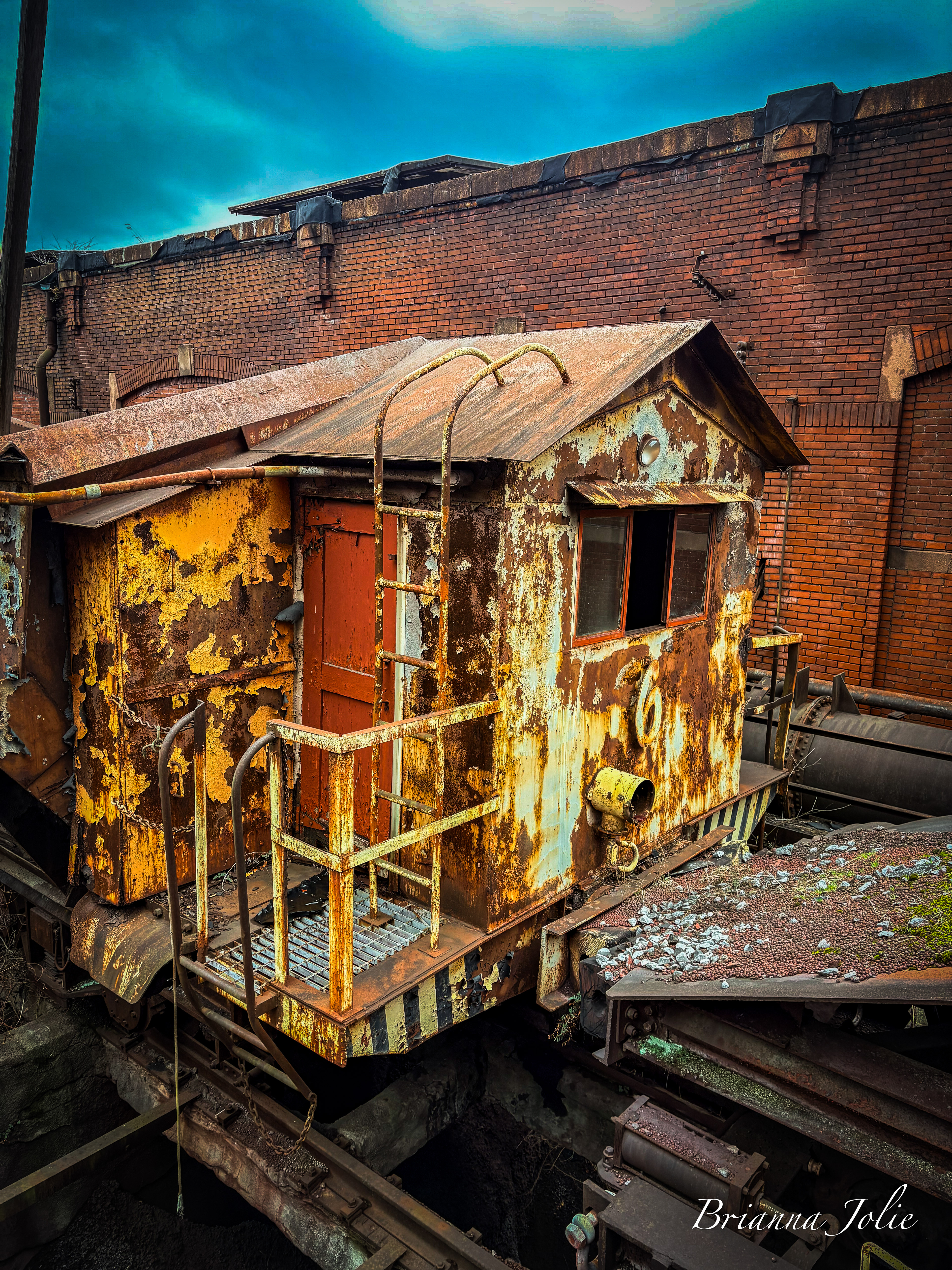
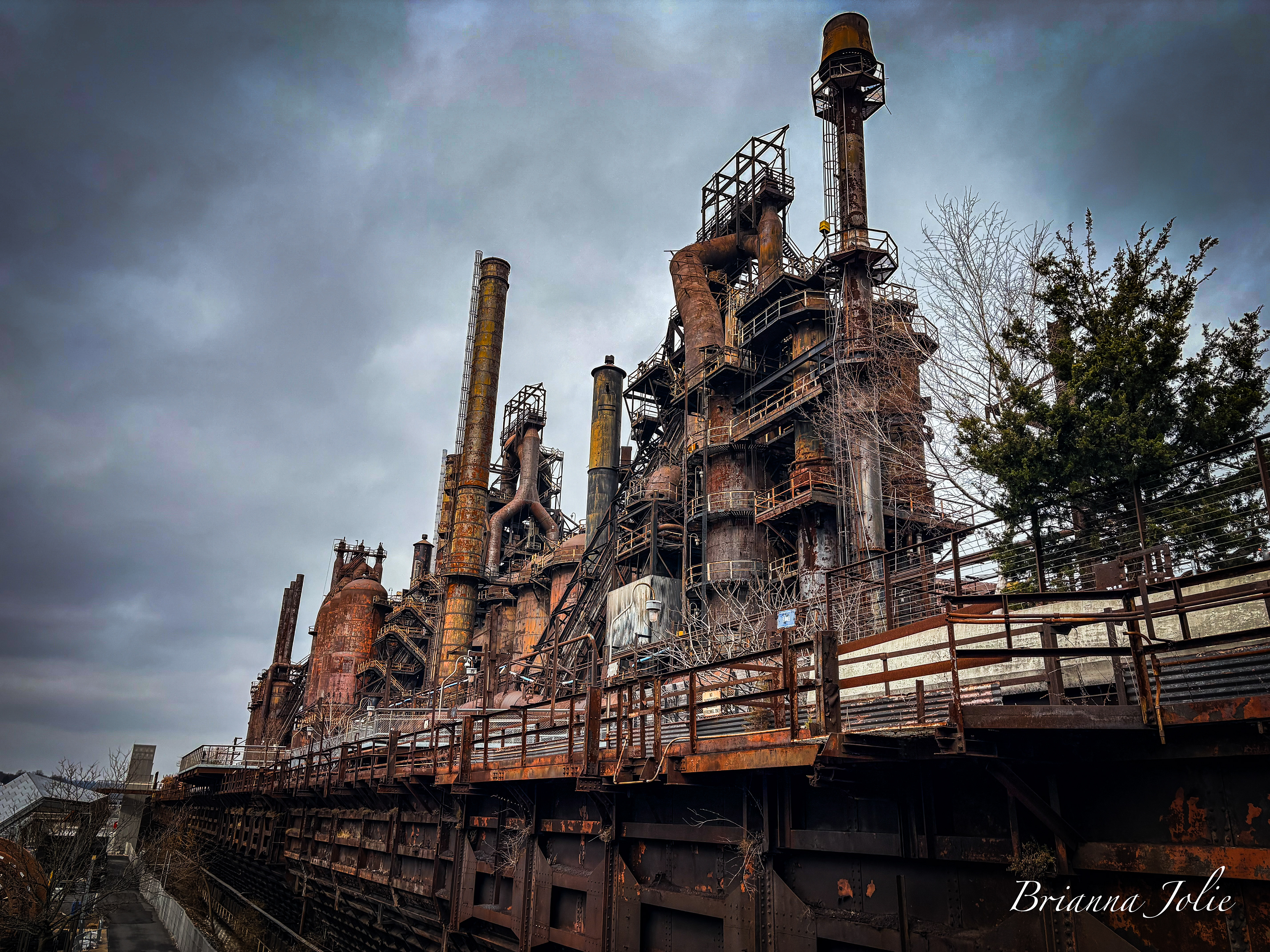

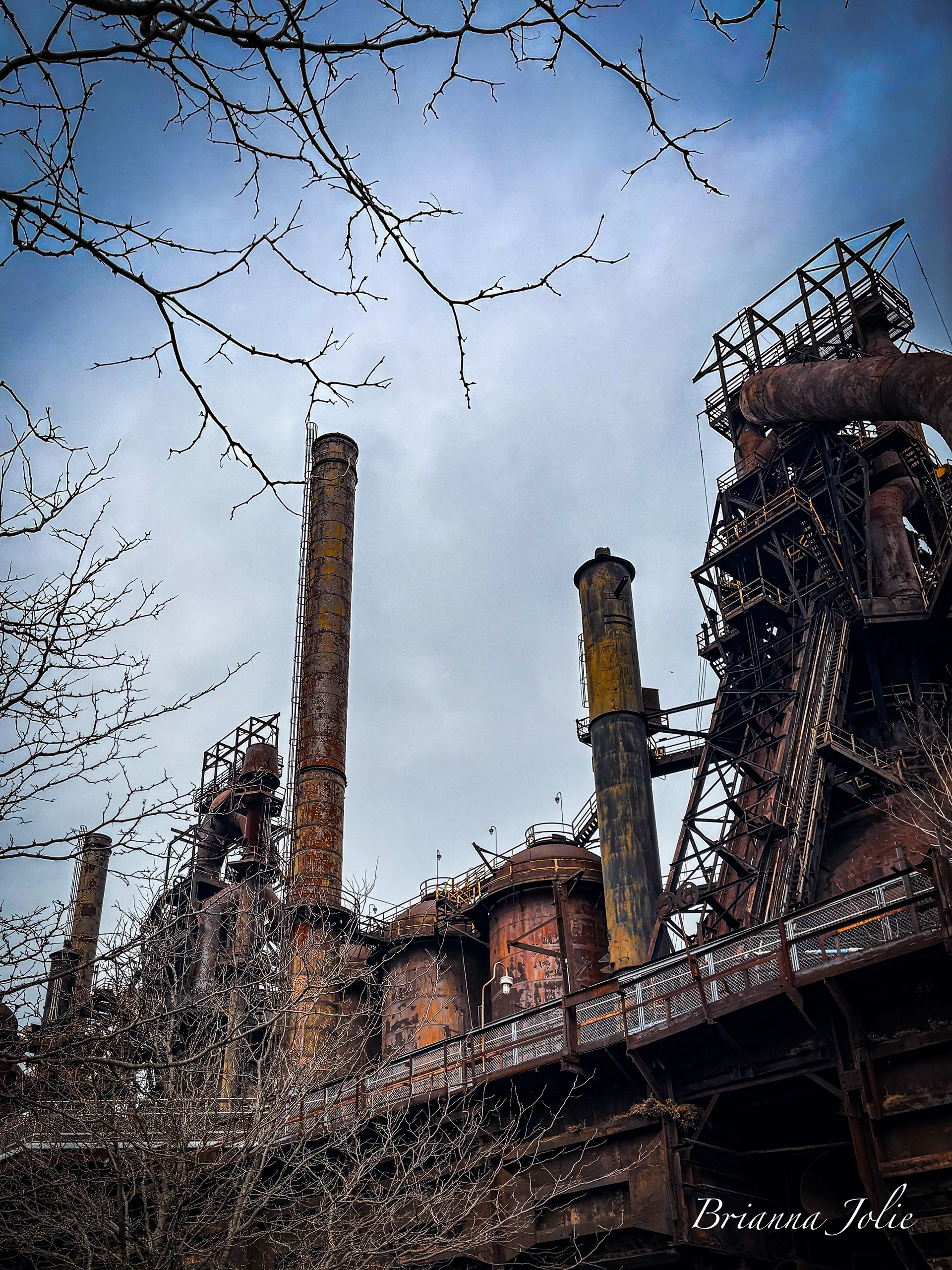
The SteelStacks complex in Bethlehem, PA, stands on the site of the former Bethlehem Steel Corporation, once a global industrial powerhouse founded in 1857. After the plant's 1995 closure, the area was revitalized into a 10-acre arts and cultural campus. Today, it features the iconic 230-foot blast furnaces, the Hoover-Mason Trestle, and the National Museum of Industrial History, blending historic preservation with modern community programming. Industrial Legacy (1857–1995) Founding: Originally established as the Saucona Iron Company in 1857, it became the Bethlehem Iron Company before officially becoming the Bethlehem Steel Corporation in 1904. Global Impact: At its peak, the plant employed 31,000 people in Bethlehem and supplied steel for iconic structures, including the Empire State Building, Chrysler Building, and the Golden Gate Bridge. Wartime Contributions: The company was crucial to both World Wars, producing massive amounts of armor plate and weaponry, and during WWII, it helped build a significant portion of the U.S. naval fleet. The End of an Era: Following decades of decline due to foreign competition and lack of innovation, the last furnace at the Bethlehem plant was shut down in November 1995. Transformation into SteelStacks Redevelopment: To revitalize the site, the Bethlehem Redevelopment Authority created a tax incremental finance district in 2000. ArtsQuest & Culture: The SteelStacks campus was developed to honor the industrial past while serving as a hub for music, art, and community events. Key Landmarks: Blast Furnaces: The towering 230-foot furnaces remain as a backdrop for the campus. Hoover-Mason Trestle: A former elevated rail line used to transport raw materials is now a pedestrian walkway. National Museum of Industrial History: Located on the campus, it features artifacts that tell the story of American industry, including items on loan from the Smithsonian.